
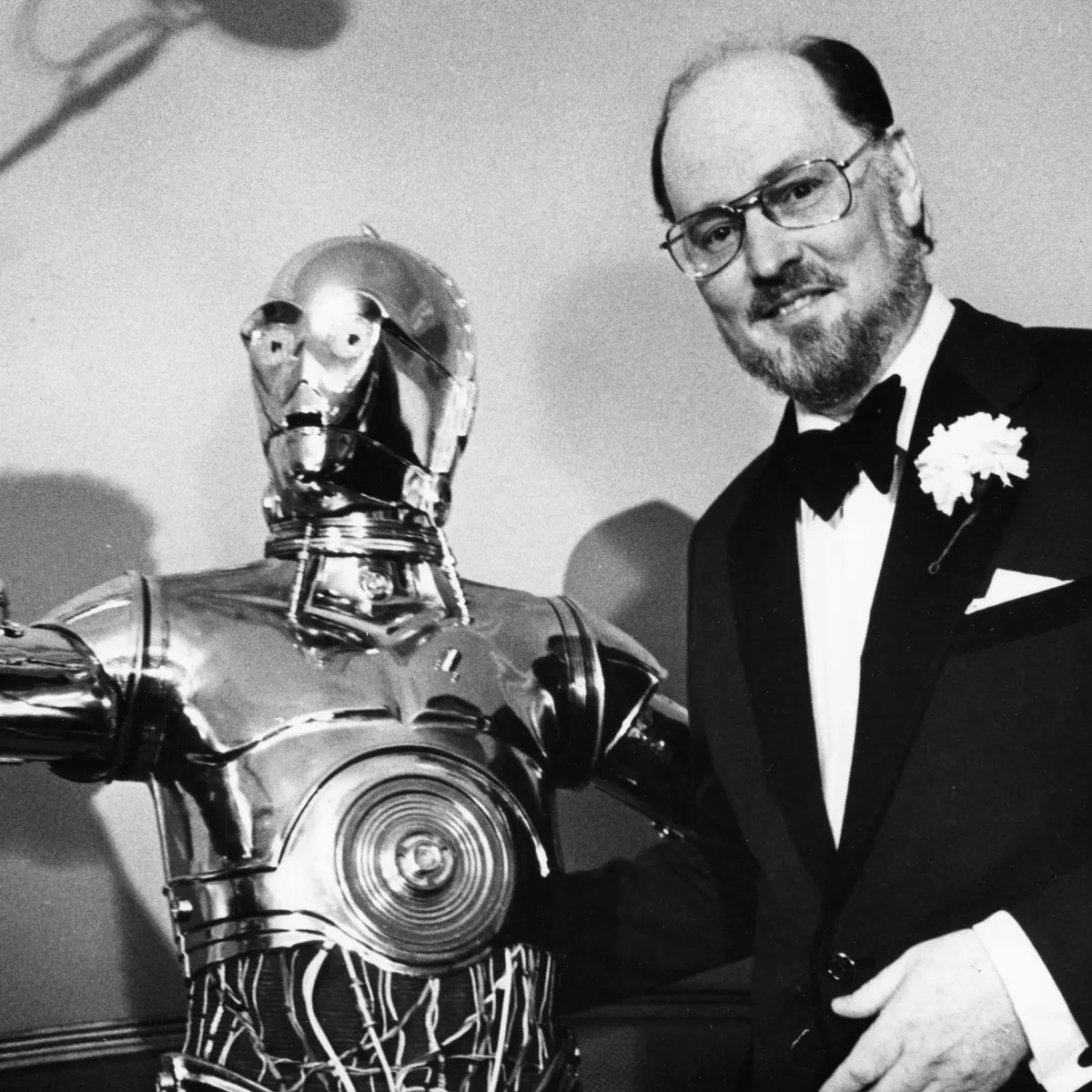
John Williams, a name synonymous with the magic of film scores, has embarked on a prolific journey through the decades, leaving an indelible mark on the cinematic landscape. From his early works in the 1960s to his ongoing collaborations with visionaries like Steven Spielberg, Williams has consistently demonstrated his extraordinary ability to craft music that transcends the screen. In this article, we delve into some of the pivotal moments in Williams’ illustrious career, showcasing his diverse contributions to the world of film.
Advertisement
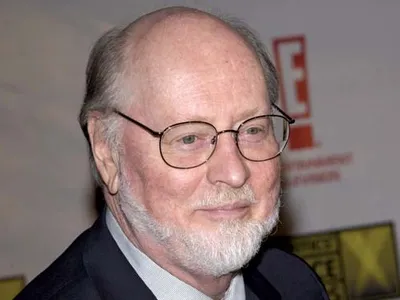
Early Ventures and Recognition
Williams’ journey as a film composer began in the early 1960s with notable works such as The Killers (1964), Lost in Space (1965), How to Steal a Million (1966), Valley of the Dolls (1967), Goodbye, Mr. Chips (1969), and Robert Altman’s Images (1972) and The Long Goodbye (1973). These early endeavors laid the foundation for what would become a remarkable career in the realm of film scoring.
The Spielberg Era
The turning point in John Williams’ career came with his collaboration with director Steven Spielberg, starting with The Sugarland Express in 1974. This partnership marked the beginning of a cinematic journey that would redefine the way audiences experience movies. Williams went on to compose music for nearly all of Spielberg’s feature films, creating iconic scores that have become synonymous with some of the most beloved and successful movies in history.
Advertisement
The Star Wars Saga
Spielberg’s recommendation led George Lucas to enlist John Williams for the monumental task of scoring Star Wars (1977). Williams’ contribution to the galaxy far, far away became legendary, earning him the first of his five Academy Awards for Best Original Score. The Star Wars theme has since become a cultural phenomenon, instantly recognizable and forever etched in the hearts of fans.
Oscar Glory and Iconic Collaborations
Williams continued his collaboration with Spielberg on numerous blockbuster films, including Close Encounters of the Third Kind (1977), Raiders of the Lost Ark (1981), Indiana Jones and the Temple of Doom (1984), Indiana Jones and the Last Crusade (1989), Hook (1991), Jurassic Park (1993), Saving Private Ryan (1998), A.I. Artificial Intelligence (2001), and many more. His scores not only complemented the visual storytelling but became an integral part of the cinematic experience.
Beyond Spielberg
While Spielberg has been a central figure in Williams’ career, the composer’s talent extends far beyond a single collaboration. Williams has contributed his musical genius to a diverse array of films, scoring Superman (1978), the first two Home Alone films, and the initial three Harry Potter films, where his enchanting “Hedwig’s Theme” became an iconic motif carried throughout all eight films in the franchise.
Leave a Reply