
Marina Abramović and Ulay, originally known as Frank Uwe Laysiepen, shared an extraordinary and influential partnership that spanned over a decade, creating some of the most iconic and groundbreaking performances in the history of contemporary art.
Advertisement
The collaborative journey between these two avant-garde artists began in the late 1970s and continued until their artistic and romantic separation in the late 1980s.
Their artistic collaboration, marked by a profound connection and shared creative vision, began to flourish in the late 1970s. The duo’s performances were characterized by their intense physicality, emotional depth, and exploration of themes such as identity, relationships, and the limits of the human body.
One of the seminal moments in their collaboration was their decision to embark on a transformative journey along the Great Wall of China in 1988.
Advertisement
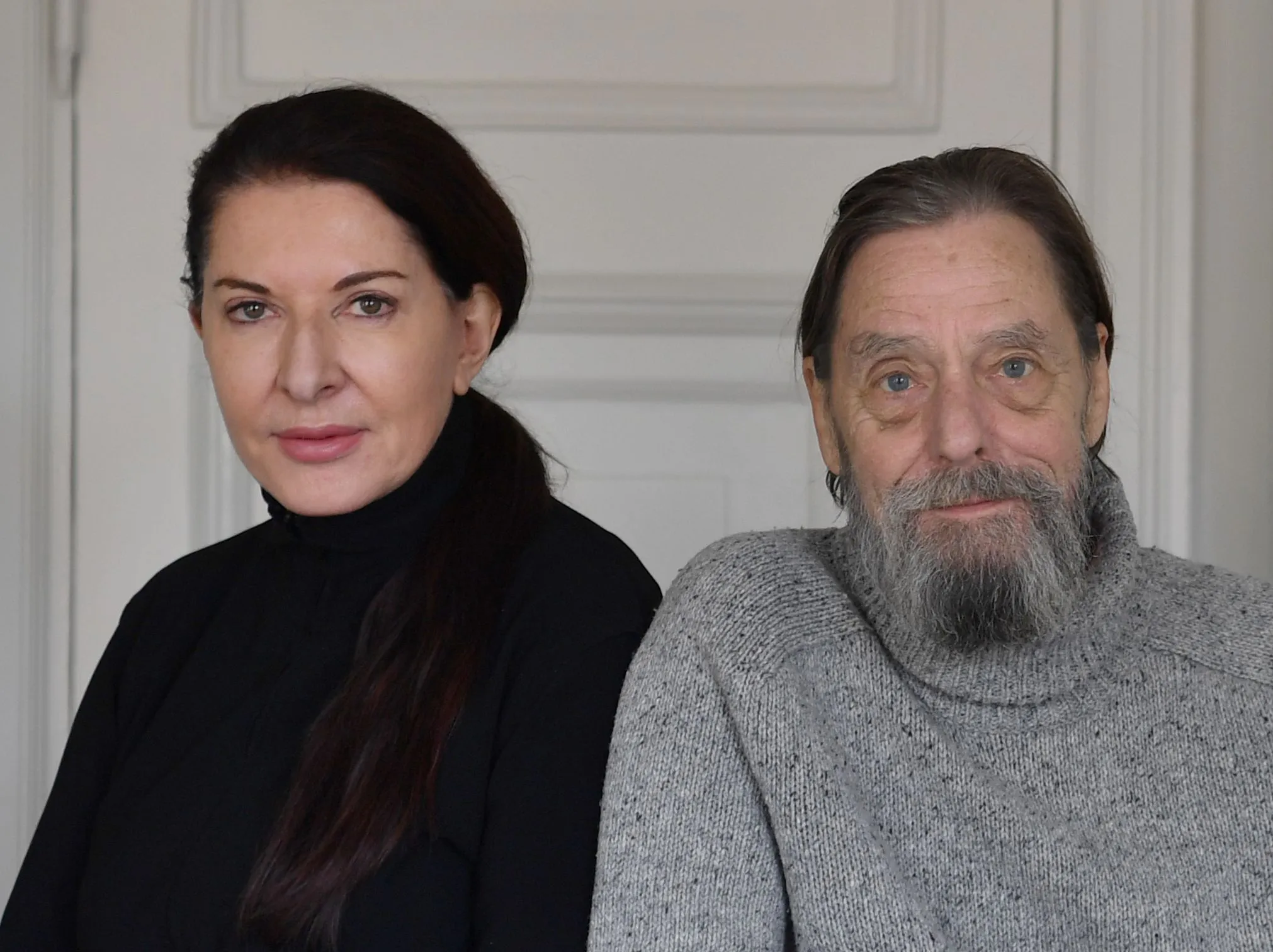
The performance, titled “The Lovers: The Great Wall Walk,” involved the artists walking towards each other from opposite ends of the wall, meeting in the middle, and ultimately parting ways.
The separation of Abramović and Ulay was a complex and emotionally charged process, reflective of the intensity of their shared experiences and artistic explorations. While their romantic relationship came to an end, the impact of their collaborative works continued to resonate in the art world and beyond.
The depth of their collaboration became even more apparent in the aftermath of their separation, as legal disputes arose over the rights to their joint works.
Despite the challenges that ensued, the artistic legacy of Marina Abramović and Ulay remains firmly etched in the annals of performance art, a testament to the transformative power of their shared vision and creative synergy.
Leave a Reply