
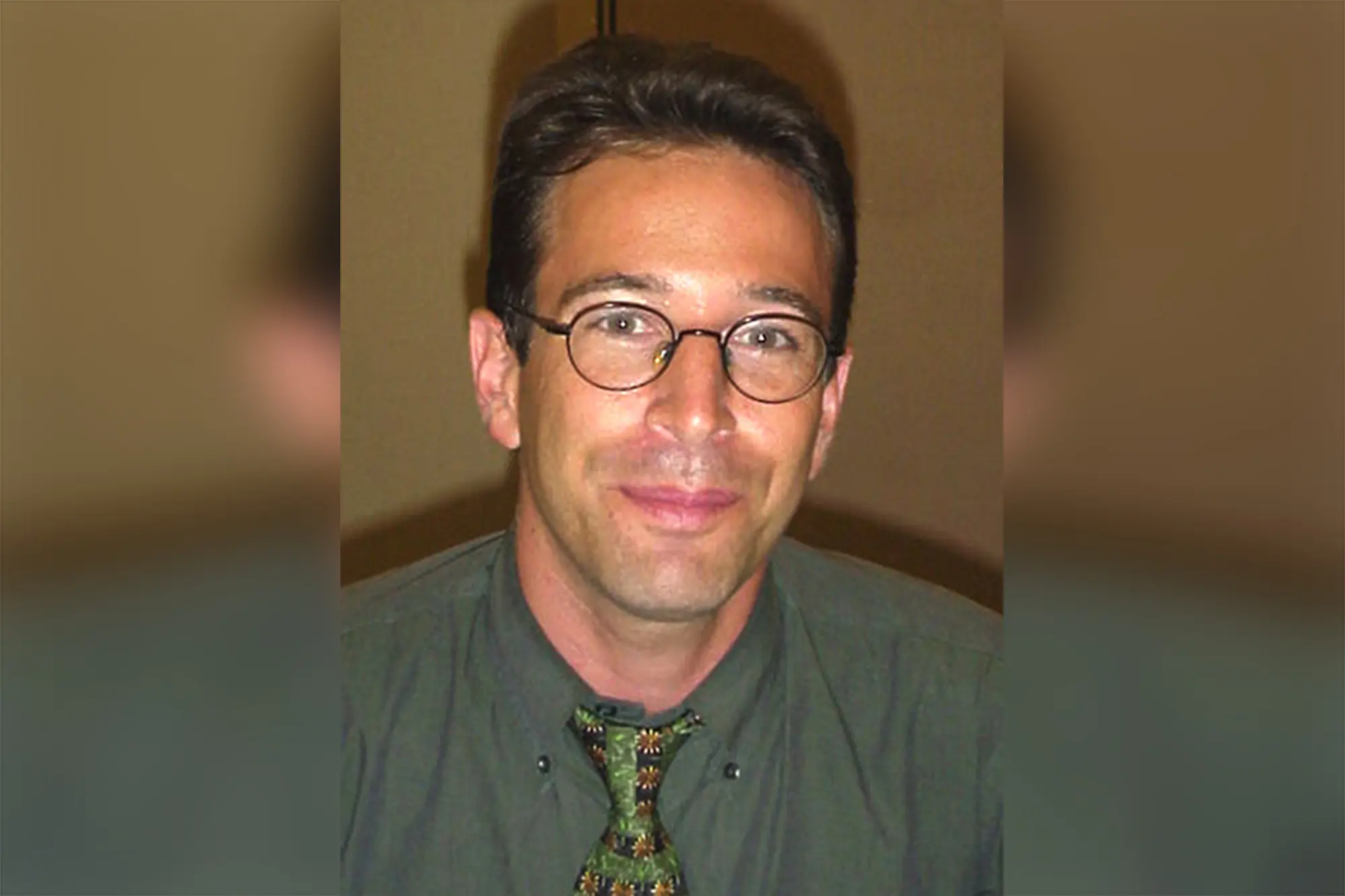
Daniel Pearl was kidnapped near a restaurant in downtown Karachi, Pakistan. Pearl, a journalist working for The Wall Street Journal, had ventured to Pakistan as part of an investigation into the alleged connections between British citizen Richard Reid, famously known as the “Shoe Bomber,” and the notorious terrorist organization al-Qaeda.
Advertisement

Image Credit: Getty Images
After nine days, Pearl was beheaded by his captors, who later released a harrowing video of his execution. Nine days later, the terrorists beheaded Pearl. On May 16, his severed head and decomposed body were found cut into ten pieces and buried, along with an identifying jacket, in a shallow grave at Gadap, about 30 miles (48 km) north of Karachi.
Advertisement
In the wake of this devastating loss, there was an outpouring of support and a collective demand for justice. Ahmed Omar Saeed Sheikh, a British national of Pakistani origin, was sentenced to death by hanging for his role in the abduction and murder of Daniel Pearl in July 2002. This verdict was seen as a small but crucial step towards ensuring accountability for the heinous crime.
However, the road to justice proved to be complex and tumultuous. On April 2, 2020, a Pakistani court overturned Saeed Sheikh’s murder conviction, leaving many perplexed by the intricacies of the legal system and raising questions about the pursuit of justice in cases of such magnitude.
Leave a Reply