

Python is one of the most popular and versatile programming languages in the world. It is used for web development, data science, machine learning, automation, and more.
Advertisement
Many people want to learn Python to get a job in these fields, but how long does it take to master this language? There is no definitive answer to this question, as different people have different learning styles, goals, and backgrounds. However, some general factors that can affect your learning time are:
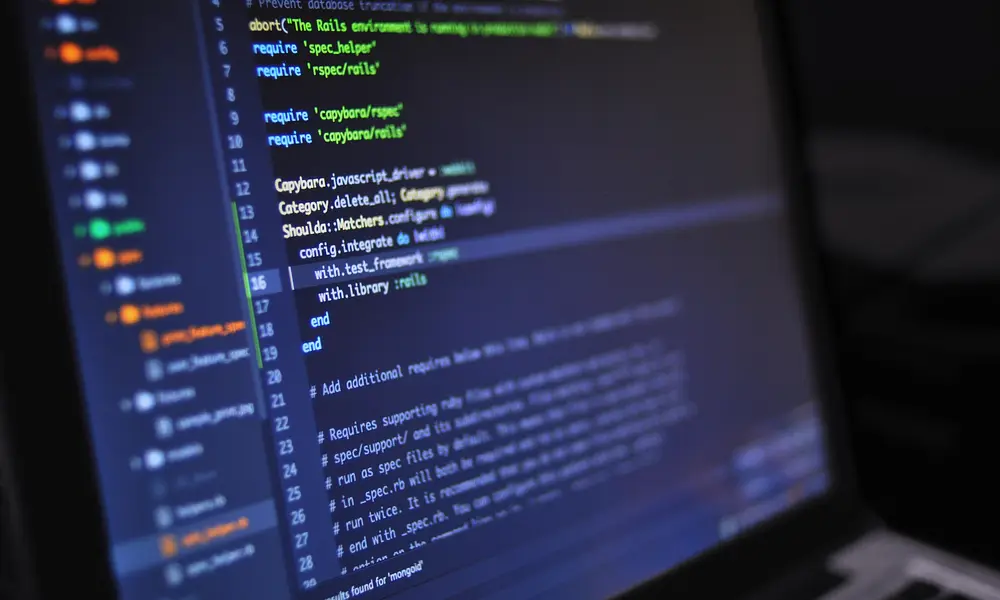
Your prior programming experience. If you already know another language, such as Java, C++, or Ruby, you will have an easier time picking up Python’s syntax and concepts. You will also be familiar with common programming concepts such as variables, loops, functions, and classes. However, if you are new to programming, you will need to learn these basics first before moving on to more advanced topics.
Your learning resources. There are many ways to learn Python, such as books, online courses, videos, tutorials, podcasts, blogs, etc. Some of these resources are more comprehensive, interactive, and engaging than others. You will need to find the ones that suit your learning style and preferences. You will also need to balance the quality and quantity of your learning materials. Too much information can be overwhelming and confusing, while too little can leave gaps in your knowledge.
Advertisement
Your learning schedule. How much time can you devote to learning Python every day or week? The more consistent and frequent your practice is, the faster you will learn. Ideally, you should aim for at least 30 minutes to an hour of coding every day. This will help you retain what you learn and build your confidence and skills. However, if you have other commitments or distractions, you may need to adjust your schedule accordingly.
Your learning goals. What do you want to achieve with Python? Do you want to build a website, a game, a chatbot, or a data analysis tool? Do you want to work as a web developer, a data scientist, a software engineer, or a freelancer? Depending on your goals, you will need to learn different aspects of Python and its libraries and frameworks. For example, if you want to work as a web developer, you will need to learn how to use Django or Flask to create web applications. If you want to work as a data scientist, you will need to learn how to use NumPy, Pandas, Matplotlib, or Scikit-learn to manipulate and visualize data.
Based on these factors, a rough estimate of how long it takes to learn Python to get a job is between 3 and 12 months. This assumes that you have some prior programming experience and that you are learning Python for about an hour a day using high-quality resources. However, this is just an average and your actual learning time may vary depending on your personal situation.
The best way to find out how long it takes for you is to start learning Python today and track your progress. You can use online platforms such as Codecademy or Coursera to learn the basics of Python and then move on to more specific courses or projects that match your goals. You can also join online communities such as Stack Overflow or Reddit to ask questions and get feedback from other learners and experts.
Learning Python can be challenging but rewarding. With enough dedication and practice, you can master this language and get a job in the field of your choice.
Leave a Reply