
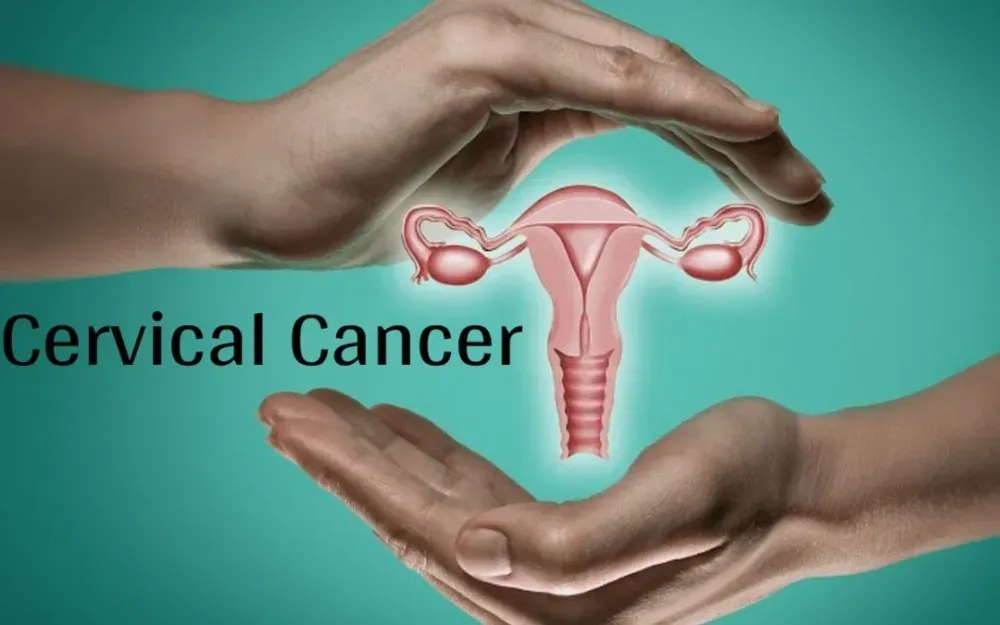
Cervical cancer is a type of cancer that affects the cervix, the lower part of the uterus that connects to the vagina. It is usually caused by a virus called human papillomavirus (HPV), which can be transmitted through sexual contact.
Advertisement
Cervical cancer can develop without noticeable symptoms in its early stages. However, as it progresses, certain signs and symptoms may appear. Here are some key points:

Initial Stages
- No obvious signs or symptoms are typically present.
- Regular Pap smears are crucial for detecting precancerous changes in cervical cells.
- Early intervention can prevent these changes from developing into full-blown cancer.
Later Stages
- When cervical cancer advances, the following symptoms may occur:
- Vaginal bleeding after intercourse
- Abnormal vaginal discharge with a foul odor
- Pelvic pain during intercourse
- Heavier and prolonged menstrual bleeding
- Watery, bloody vaginal discharge
HPV can cause abnormal changes in the cells of the cervix, which can lead to cancer over time. If you notice any of these symptoms, you should see a doctor as soon as possible.
Advertisement
Cervical cancer can be detected by screening tests, such as a Pap smear or an HPV DNA test, which can examine the cells or the DNA of the cervix for any abnormalities. If cervical cancer is diagnosed, the treatment options may include surgery, radiation therapy, chemotherapy, or targeted therapy, depending on the stage and type of the cancer.
Cervical cancer can be prevented by getting vaccinated against HPV, having regular Pap smears, and practicing safe sex. These measures can help reduce the risk of getting infected with HPV or developing cervical cancer.
Leave a Reply