
Decoding Brain Worm Transmission and Natural Remedies for Worm Infestations
Advertisement
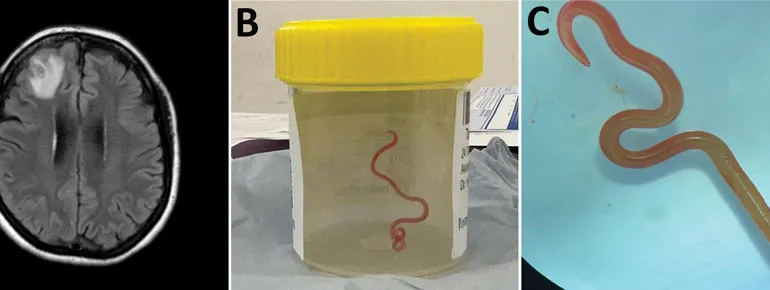
The intricacies of brain worms, their transmission, and potential remedies have garnered attention in both scientific circles and public discourse. As we delve into the complexities of this topic, it’s important to uncover the mechanisms of transmission and explore natural solutions for addressing worm infestations in humans.
The life cycle of brain worms is a tale of evolution within the brain’s confines. Maturing from larvae to adults, these organisms lay their eggs in unique locations—be it on the dura mater, the protective outermost layer of the brain and spinal cord’s meninges, or directly into the bloodstream of their host, often deer. As larvae hatch, they set out on a journey through the host’s bloodstream, weaving a complex story of survival and adaptation.
Understanding how brainworm transmission occurs is a crucial piece of the puzzle. In the case of many of these parasites, accidental ingestion of infected gastropods (snails) while grazing acts as the gateway for transmission. The larvae traverse the host’s digestive tract, embarking on a journey along spinal nerves that leads them to the spinal cord and brain. Once there, they mature into adult worms, preparing to reproduce and lay their eggs.
While the notion of brainworm transmission might evoke concern, it’s worth noting that prevention and natural remedies are areas of exploration that offer potential solutions. Natural remedies for addressing worm infestations in humans have gained attention for their non-invasive approach and reliance on readily available foods.
Advertisement
- Ginger: A common kitchen staple, ginger’s potent properties can contribute to combatting worm infestations. Its widespread availability makes it an accessible option for many.
- Garlic: Renowned for its diverse health benefits, garlic possesses unique properties that can help fight parasites such as nematodes, showcasing its potential in addressing worm infestations.
- Cloves: Cloves bring more than just flavor to the table. Their inherent characteristics can aid in tackling worm-related issues within the body.
- Carrots: This everyday vegetable offers more than just vitamins. Its natural components have been associated with worm-fighting abilities.
- Coconut Water: A refreshing option with potential benefits, coconut water’s unique properties may contribute to addressing infestations.
- Honey: Known for its antibacterial properties, honey’s multifaceted nature extends to its potential role in managing worm infestations.
- Fermented Food: Fermented foods’ role in promoting gut health can indirectly aid in mitigating worm-related concerns.
- Edible Seeds and Onions: These natural options offer an array of benefits, including potential worm-fighting properties.
- Berries: The nutritional prowess of berries may contribute to overall health and play a role in addressing worm infestations.
As we explore the intricate dance between brain worms and their hosts, it’s clear that understanding transmission mechanisms and seeking natural remedies are vital aspects of addressing the complexities of this topic. While scientific research continues to shed light on the intricacies of brain worm infestations, these natural remedies offer individuals accessible and non-invasive options to consider. Always consult with a medical professional before making any significant changes to your diet or health regimen.
Leave a Reply