
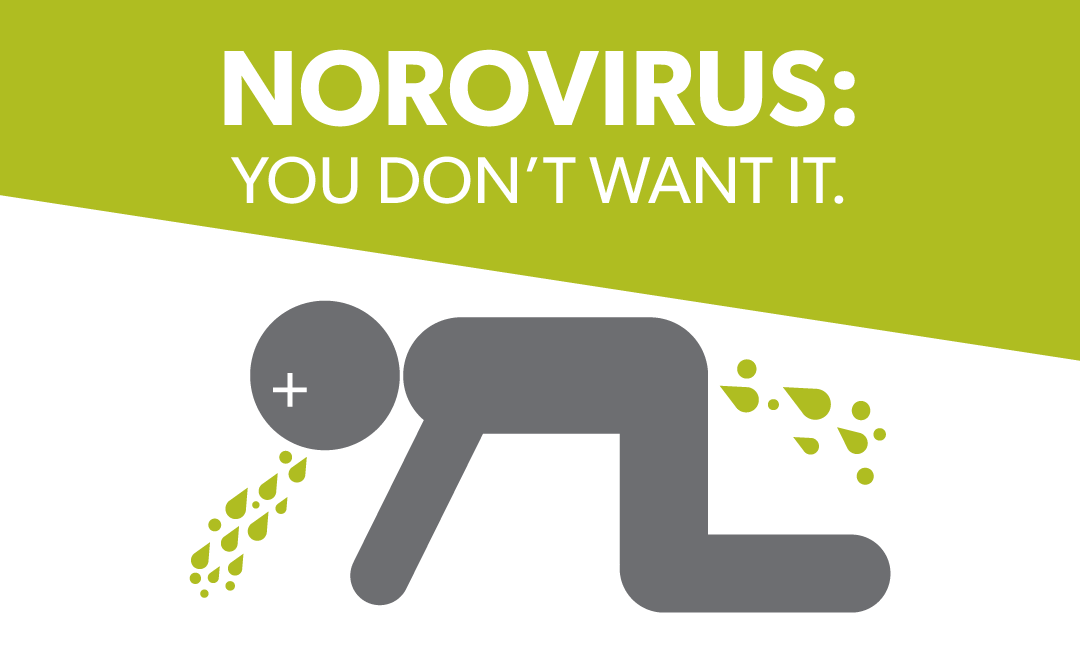
Norovirus is a highly contagious virus that causes inflammation of the stomach and intestines, leading to symptoms such as stomach cramps, vomiting, and diarrhea. It spreads very easily and quickly in different ways.
Advertisement
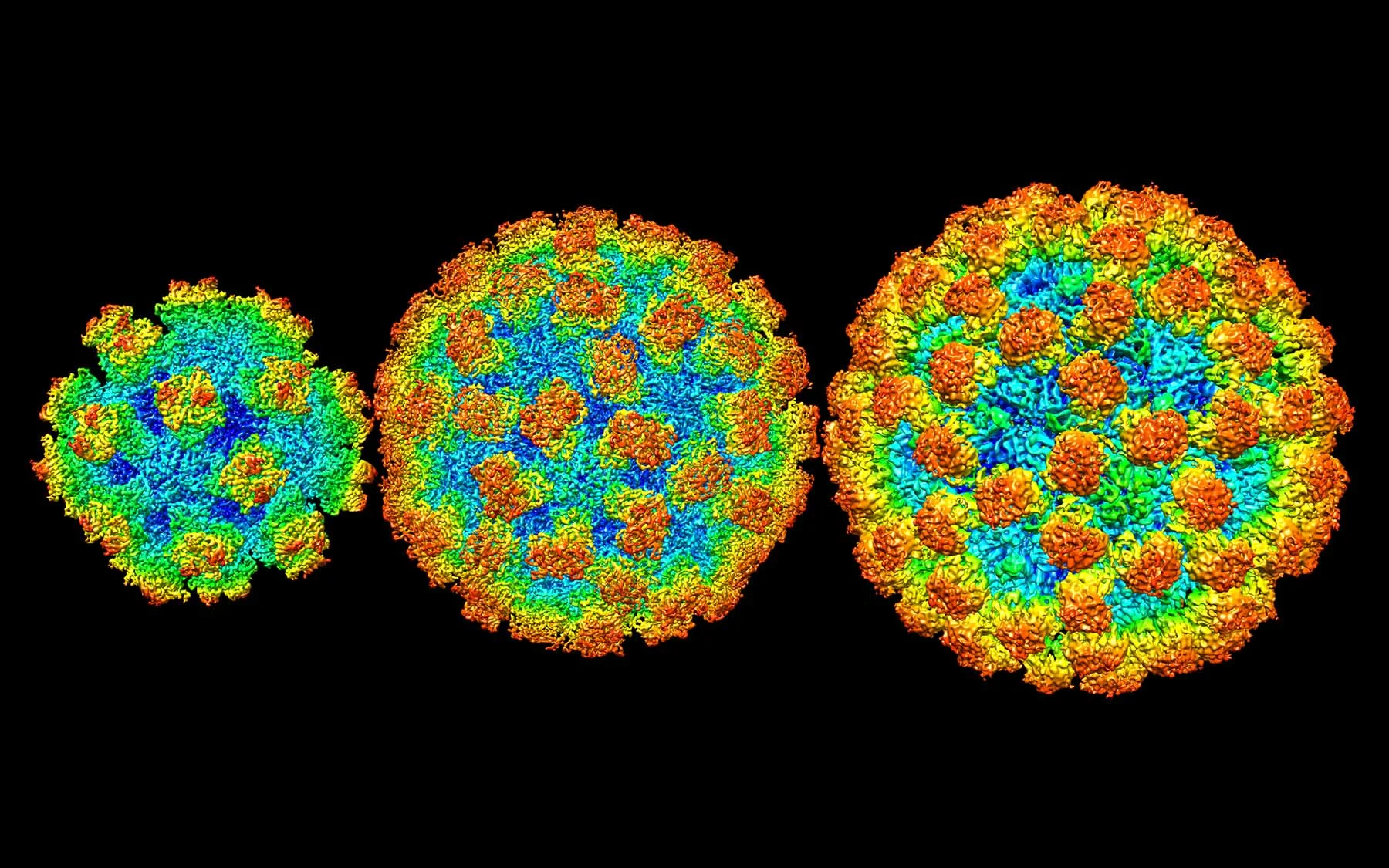
Norovirus is primarily transmitted through the fecal-oral route. This means that you can get norovirus by accidentally getting tiny particles of feces or vomit in your mouth from a person infected with norovirus. If you get norovirus illness, you can shed billions of norovirus particles that you can’t see without a microscope. It only takes a few norovirus particles to make you and other people sick.
You can get norovirus by having direct contact with someone with norovirus, such as by caring for them, sharing food or eating utensils with them, or eating food handled by them. You can also get norovirus by eating food or drinking liquids that are contaminated with norovirus. Another way to get norovirus is by touching surfaces or objects contaminated with norovirus and then putting your unwashed fingers in your mouth.
Norovirus can also spread through contaminated food. This can happen when a person with norovirus touches food with their bare hands, when food is placed on a counter or surface that has poop or vomit particles on it, or when tiny drops of vomit from a person with norovirus spray through the air and land on the food. Food can also be contaminated if it is grown with contaminated water, such as oysters, or if fruit and vegetables are watered with contaminated water in the field.
Advertisement
Recreational or drinking water can also get contaminated with norovirus. This can happen at the source, such as when a septic tank leaks into a well, or when a person with norovirus vomits or poops in the water. Water can also get contaminated when it isn’t treated properly, such as with not enough chlorine.
Norovirus can also spread through sick people and contaminated surfaces. This can happen when a person with norovirus touches surfaces with their bare hands, when food, water, or objects that are contaminated with norovirus are placed on surfaces, when tiny drops of vomit from a person with norovirus spray through the air, landing on surfaces or entering another person’s mouth, or when a person with norovirus has diarrhea that splatters onto surfaces.
You are most contagious when you have symptoms of norovirus illness, especially vomiting, and during the first few days after you feel better. However, studies have shown that you can still spread norovirus for two weeks or more after you feel better.
Noroviruses are difficult to kill because they can withstand hot and cold temperatures and many disinfectants. Therefore, it’s important to take steps to prevent spreading the virus to others. This includes washing your hands thoroughly and frequently, avoiding close contact with others while you’re sick, and disinfecting surfaces and objects that may be contaminated.
Leave a Reply