
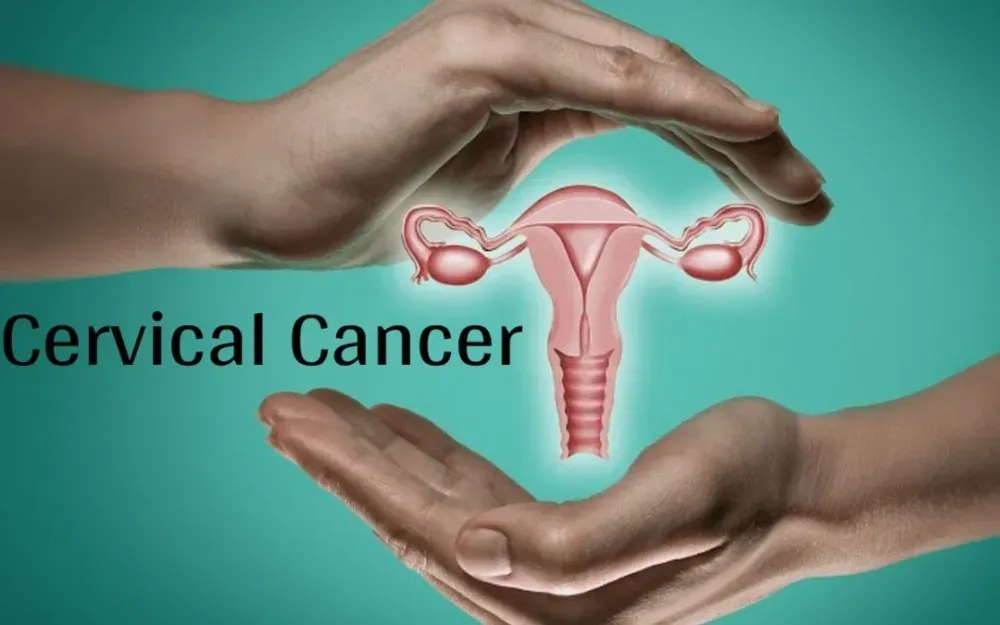
Cervical cancer is one of the most common and deadly cancers in women worldwide. According to the World Health Organization (WHO), cervical cancer is the fourth most common cancer in women globally with an estimated 604,000 new cases and 342,000 deaths in 2020.
Advertisement
The majority of these cases and deaths occur in low- and middle-income countries, where access to prevention, screening, and treatment services is limited. Cervical cancer is caused by persistent infection with the human papillomavirus (HPV), a common sexually transmitted infection that can affect the skin, genital area, and throat.

HPV can be passed through sexual contact with a person who already has it. Not all types of HPV cause cervical cancer. Some of them cause genital warts, but other types may not cause any symptoms. The immune system usually clears HPV from the body, but in some cases, the virus persists and causes abnormal cells to develop in the cervix, which can become cancerous over time.
The risk of developing cervical cancer depends on several factors, such as the type of HPV infection, the immune status of the person, the presence of other sexually transmitted infections, the number of births, the age at first pregnancy, the use of hormonal contraceptives, and smoking. Women living with HIV are six times more likely to develop cervical cancer compared to women without HIV because their immune system is weakened and cannot fight off HPV infection effectively.
Advertisement
Cervical cancer can be prevented by getting vaccinated against HPV, which can protect against the most common types of HPV that cause cervical cancer and genital warts. The WHO recommends that girls aged 9 to 14 years receive two doses of the HPV vaccine before they become sexually active. The vaccine is also recommended for boys in some countries, to prevent HPV transmission and protect against other cancers caused by HPV, such as anal, penile, and throat cancers.
Another way to prevent cervical cancer is to get regular screening tests, such as Pap smear or HPV DNA test, which can detect abnormal cells or HPV infection in the cervix before they become cancerous. These tests can also help diagnose cervical cancer at an early stage when it is more likely to be cured. The WHO advises that women aged 30 to 49 years should have at least one screening test every five years.
If cervical cancer is diagnosed, the treatment options include surgery, radiation therapy and chemotherapy, depending on the stage and extent of the disease. Surgery involves removing the cervix and uterus (hysterectomy) or part of the vagina and lymph nodes (radical hysterectomy) along with the tumor.
Radiation therapy uses high-energy beams to kill cancer cells or shrink tumors. Chemotherapy uses drugs to kill cancer cells or make them more sensitive to radiation therapy. Sometimes, targeted therapy drugs are used to block specific molecules that help cancer cells grow or spread.
Cervical cancer is a serious health problem that affects millions of women around the world. However, it can be prevented by getting vaccinated against HPV and having regular screening tests. If detected early, it can be treated successfully and cured. Therefore, it is important for women to be aware of the causes, symptoms and prevention methods of cervical cancer and seek medical attention if they notice any signs of abnormal bleeding, discharge or pain in their pelvic area.
Leave a Reply