
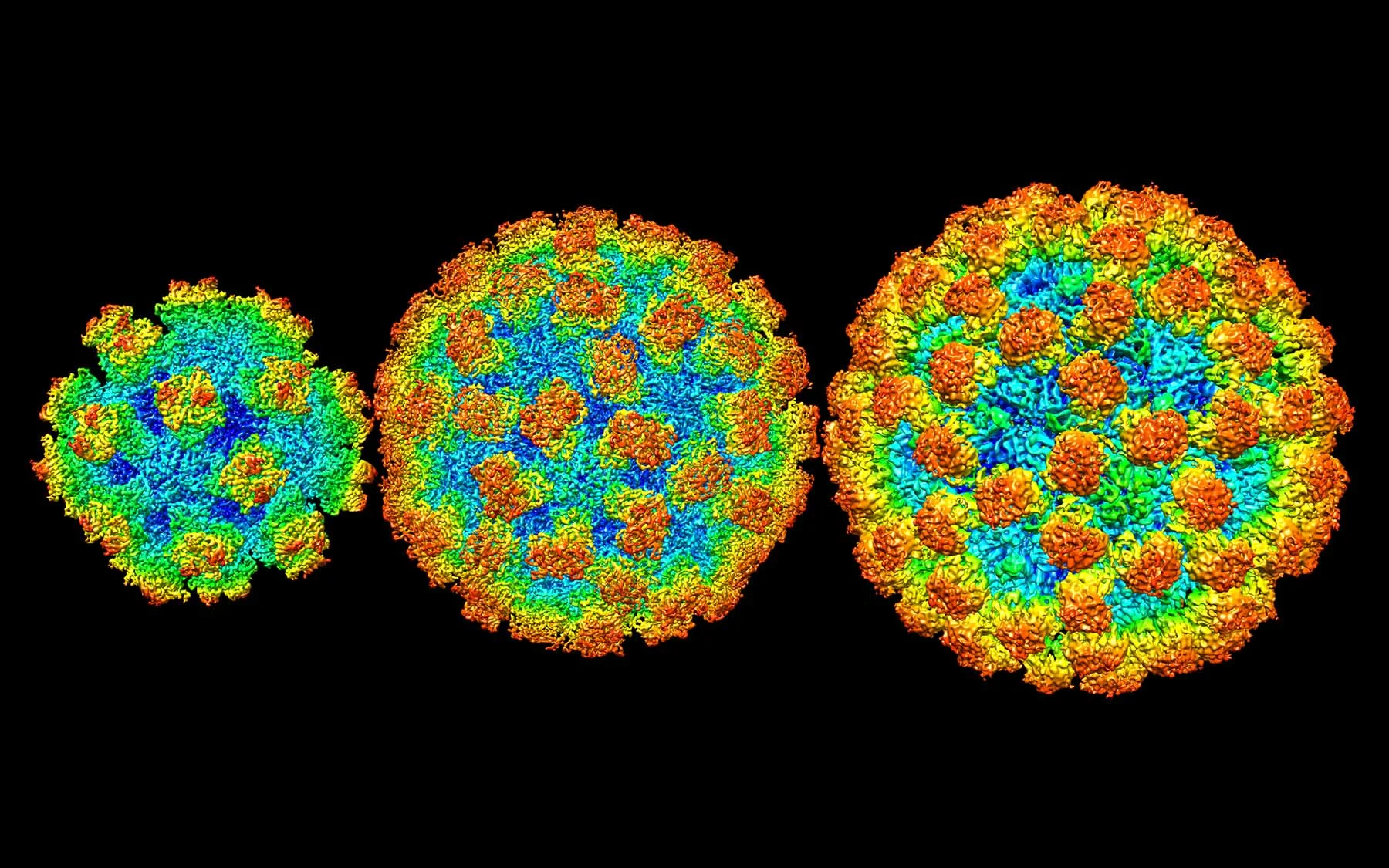
Norovirus, often referred to as the “winter vomiting bug”, is a highly contagious virus that causes inflammation in your stomach and intestines. This can lead to symptoms such as stomach cramps, vomiting, and diarrhea.
Advertisement
Identifying norovirus can be tricky as it shares symptoms with other gastrointestinal disorders. The symptoms of norovirus infection usually begin suddenly within 12 to 48 hours after exposure to the virus. The common symptoms include nausea, vomiting, abdominal pain or cramps, watery or loose diarrhea, malaise, low-grade fever, and muscle pain. Some people with norovirus infection may show no signs or symptoms. However, they’re still contagious and can spread the virus to others.

Diagnosis of norovirus is usually based on the symptoms presented. If you have a weakened immune system or have other medical conditions, your health care provider might recommend a stool test to confirm the presence of norovirus. Laboratory testing can confirm the diagnosis of norovirus infection using RT-PCR on a stool sample. This test is highly sensitive and specific. Stool sample is used for detecting the virus. ELISA (Enzyme linked immunodeficiency assay) is an antibody antigen based test. It is less specific and sensitive compared to the PCR.
Advertisement
There’s no specific treatment for norovirus infection. Recovery generally depends on the health of your immune system. In most people, the illness usually resolves within a few days. It’s important to replace lost fluids. Oral rehydration solutions may be used. If you’re not able to drink enough fluids to prevent dehydration, you might need to receive fluids through a vein (intravenous). Your health care provider might recommend over-the-counter anti-diarrheal medication and medication to reduce nausea.
Remember, while these steps can help to identify and diagnose norovirus, they’re not a substitute for medical treatment. If your symptoms are severe or persist for more than a few days, you should seek medical attention.
Leave a Reply