
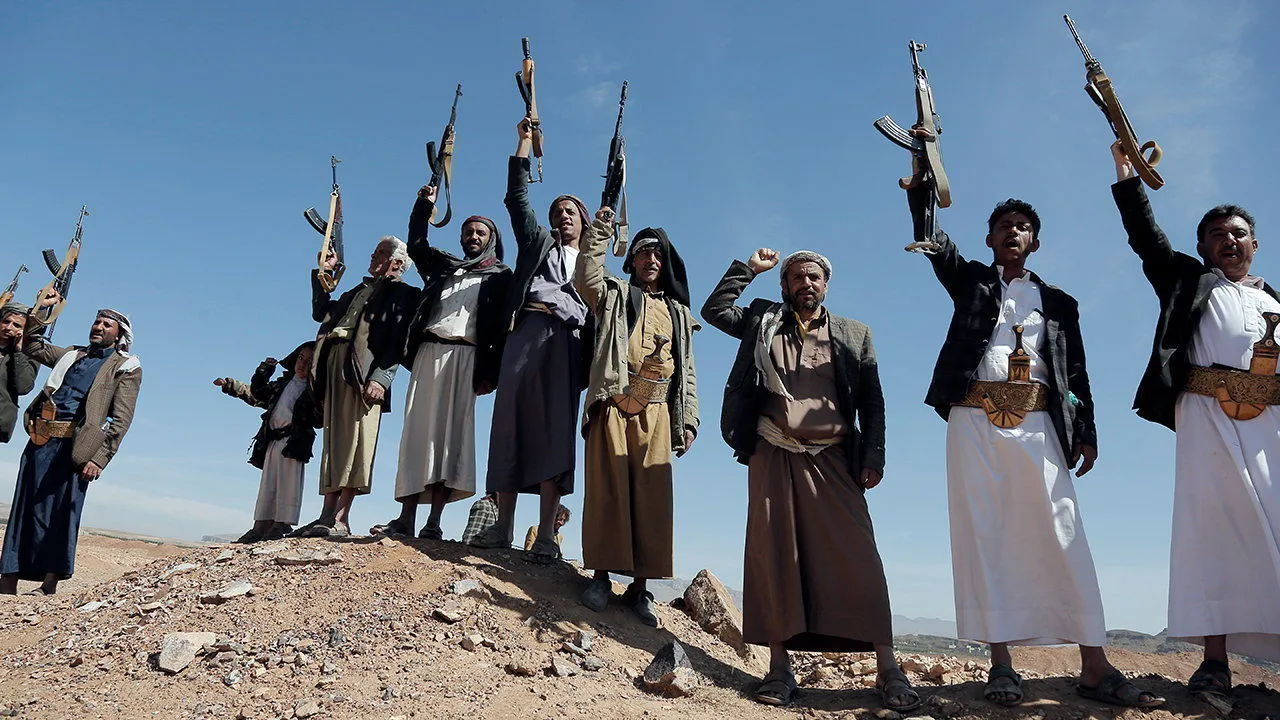
The Houthis, also known as Ansar Allah, are a Yemeni militia group named after their founder, Hussein Badreddin al-Houthi. They represent the Zaidi branch of Shia Islam and emerged in the 1980s in opposition to Saudi Arabia’s religious influence in Yemen.
Advertisement
These armed political and religious fighters champion Yemen’s Shia Muslim minority and declare themselves part of the Iranian-led “axis of resistance” against Israel, the US, and the wider West. Certainly! Here’s a brief overview of how the Houthis, a rebel Shi’a group in Yemen, obtain funding:

1. Control Over Territory: The Houthis currently exercise de facto control over much of northern Yemen, including the Red Sea coastline. Most of Yemen’s population lives in these areas, allowing the Houthis to establish their authority and run a quasi-government that collects taxes and prints money.
Advertisement
2. Tribal Connections: The Houthis are part of the Bakil confederation, which is the largest tribal group in Yemen. Their leadership has been drawn from the Houthi tribe, which belongs to one of the three major tribal confederations in Yemen: Hashid, Madhaj, and Bakil.
3. Iranian Support: The Houthis receive support from Iran. They are equipped with Iran-supplied arms, including accurate drones and anti-ship cruise and ballistic missiles capable of hitting moving ships hundreds of kilometers away. Their stockpile allows them to sustain their campaign for an extended period.
4. Control Over Key Areas: The Houthis control Sanaa (the capital) and the north-west of Yemen, which includes the Red Sea coastline. They have established a de facto government that collects taxes and manages local affairs.
In summary, the Houthis derive their funding from controlling territory, tribal connections, and external support from Iran. Their actions have significant implications for global commerce due to their disruption of shipping through the Red Sea. If this “blockade” continues, it could impact energy prices and affect local economies significantly.
Leave a Reply