

Norovirus, also known as the winter vomiting bug, is a highly contagious virus that causes gastroenteritis, an inflammation of the stomach and intestines. It’s the most common cause of gastroenteritis, with symptoms including nausea, vomiting, stomach pain, and in some cases, loss of taste. Symptoms usually develop 12 to 48 hours after being exposed to the virus, and recovery typically occurs within one to three days.
Advertisement
The norovirus was named after the city of Norwalk, Ohio, US, where an outbreak occurred in 1968. It’s interesting to note that noroviruses can stay on surfaces and objects for days or weeks, making them difficult to kill because they can withstand hot and cold temperatures and many disinfectants.
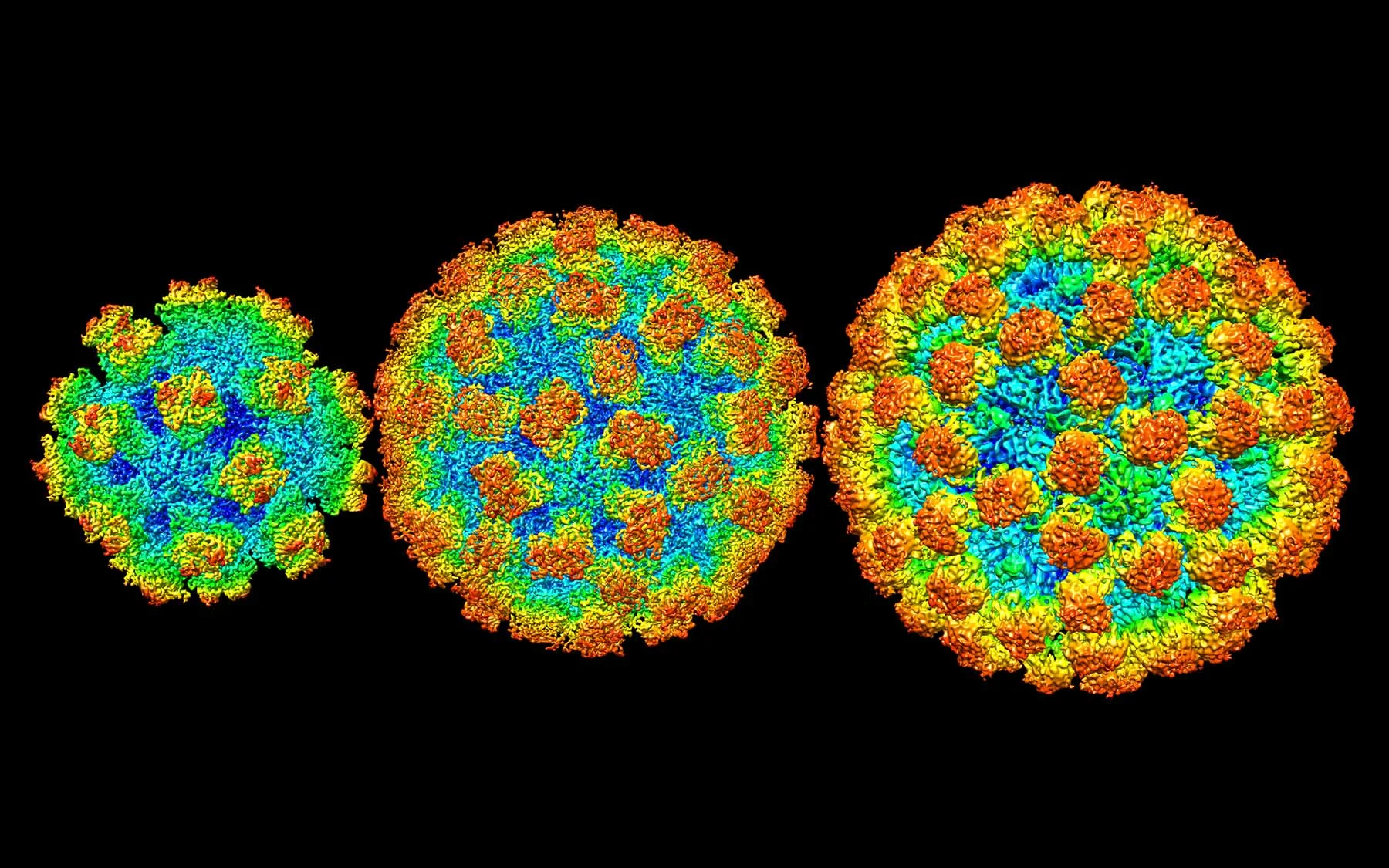
Now, how does one get norovirus? The virus spreads very easily and quickly in different ways. You can get norovirus by accidentally getting tiny particles of feces or vomit from an infected person in your mouth. This can happen if you eat food or drink liquids that are contaminated with norovirus, touch surfaces or objects contaminated with norovirus then put your fingers in your mouth, or have contact with someone who is infected with norovirus.
Advertisement
Norovirus can also spread through contaminated food. This can happen when a person with norovirus touches food with their bare hands, food is placed on a counter or surface that has poop or vomit particles on it, or tiny drops of vomit from a person with norovirus spray through the air and land on the food.
Furthermore, recreational or drinking water can get contaminated with norovirus at the source, such as when a septic tank leaks into a well, when a person with norovirus vomits or poops in the water, or when water isn’t treated properly, such as with not enough chlorine.
In conclusion, norovirus is a highly contagious virus that can cause uncomfortable symptoms. It spreads easily through various means, including contaminated food, water, surfaces, and direct contact with an infected person. Therefore, it’s important to practice good hygiene, such as washing hands thoroughly and frequently, disinfecting contaminated surfaces and objects, and avoiding sharing towels and flannels, to prevent the spread of norovirus.
Leave a Reply