

Fidel Alejandro Castro Ruz, the enigmatic leader of the Cuban Revolution, held sway over Cuba for nearly five decades, leaving an indelible mark on the nation’s history and the global political landscape. Amidst the complexities of governance and revolution, questions about Castro’s religious beliefs have often intrigued many. In this article, we delve into Fidel Castro’s religious background, shedding light on the faith of the revolutionary figure.
Advertisement
Early Religious Influences
Born on August 13, 1926, in Biran, Cuba, Fidel Castro was baptized and raised as a Roman Catholic during his childhood. Catholicism held a significant presence in Cuba, reflecting the country’s historical ties to Spain and the enduring influence of Catholic traditions in Cuban society. As a child, Castro would have been exposed to the rituals and teachings of the Roman Catholic Church.
A Departure from Religious Practice
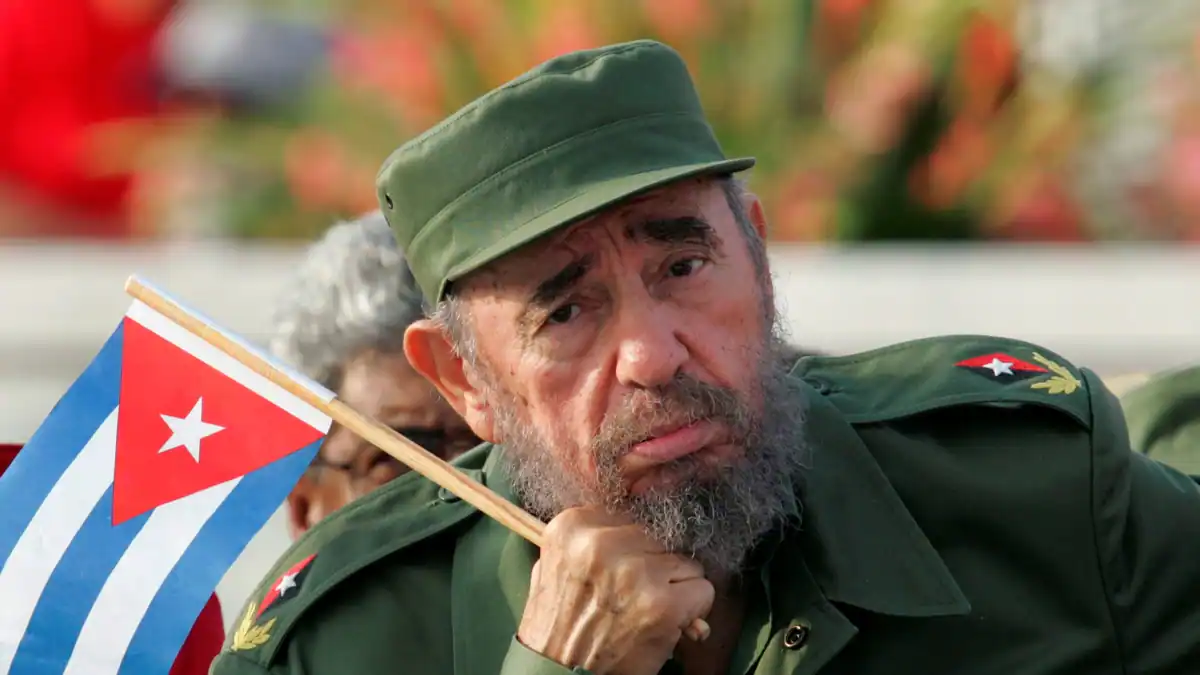
Despite his early exposure to Catholicism, Fidel Castro did not maintain a consistent practice of the faith as he grew older. While he was baptized and raised in the Catholic tradition, his adult life saw a departure from organized religious practice. Instead, Castro became known for his adherence to Marxist-Leninist ideology and the principles of socialism, shaping his political worldview and guiding his actions as the leader of Cuba.
Advertisement
Secularism and Socialist Ideals
Fidel Castro’s political philosophy and the guiding principles of the Cuban Revolution were rooted in socialist and Marxist-Leninist thought. The revolutionary leader embraced a secular approach to governance, advocating for the separation of church and state. Under his leadership, Cuba underwent a process of secularization, with the government adopting a stance that prioritized socialist values over religious affiliations.
Public Statements on Religion
Castro’s public statements on religion reflected his secular and pragmatic approach to governance. While he acknowledged Cuba’s historical ties to Catholicism, he emphasized the importance of building a society based on socialist principles. In a country where religion had played a significant role in the past, Castro’s approach signaled a departure from the influence of religious institutions on the state.
Legacy of Secularism
Fidel Castro’s legacy is marked by the promotion of secularism within the Cuban state. While he was baptized and raised as a Roman Catholic, his adult life and political career were defined by a commitment to socialist ideals and the principles of the Cuban Revolution. The state’s role in shaping public life and policy, divorced from religious influence, became a hallmark of Castro’s governance.
In exploring Fidel Castro’s religious journey, it becomes evident that while he was baptized and raised in the Roman Catholic faith, his adult life and political career were characterized by a departure from organized religious practice. As the leader of Cuba, Castro embraced secularism and socialist principles, shaping the trajectory of the nation’s governance. Understanding Castro’s relationship with religion provides a nuanced perspective on the complexities of his leadership and the unique historical context in which the Cuban Revolution unfolded.
Leave a Reply