

Fidel Alejandro Castro Ruz, the towering figure of the Cuban Revolution and leader of Cuba for nearly five decades, had his roots deeply embedded in the soil of Birán, Oriente Province. Born on August 13, 1926, Fidel Castro’s parentage played a crucial role in shaping the trajectory of his life. In this article, we delve into the lives of Ángel Castro y Argiz and Lina Ruz González, the parents who laid the foundation for one of the most influential leaders of the 20th century.
Advertisement
Biran: The Birthplace of a Revolutionary
Born in Birán, southeastern Cuba, Fidel Castro’s early years were shaped by the lush landscapes of Oriente Province. Birán, nestled amidst sugarcane fields and surrounded by the tropical beauty of the region, became the canvas upon which the story of the Castro family began to unfold.
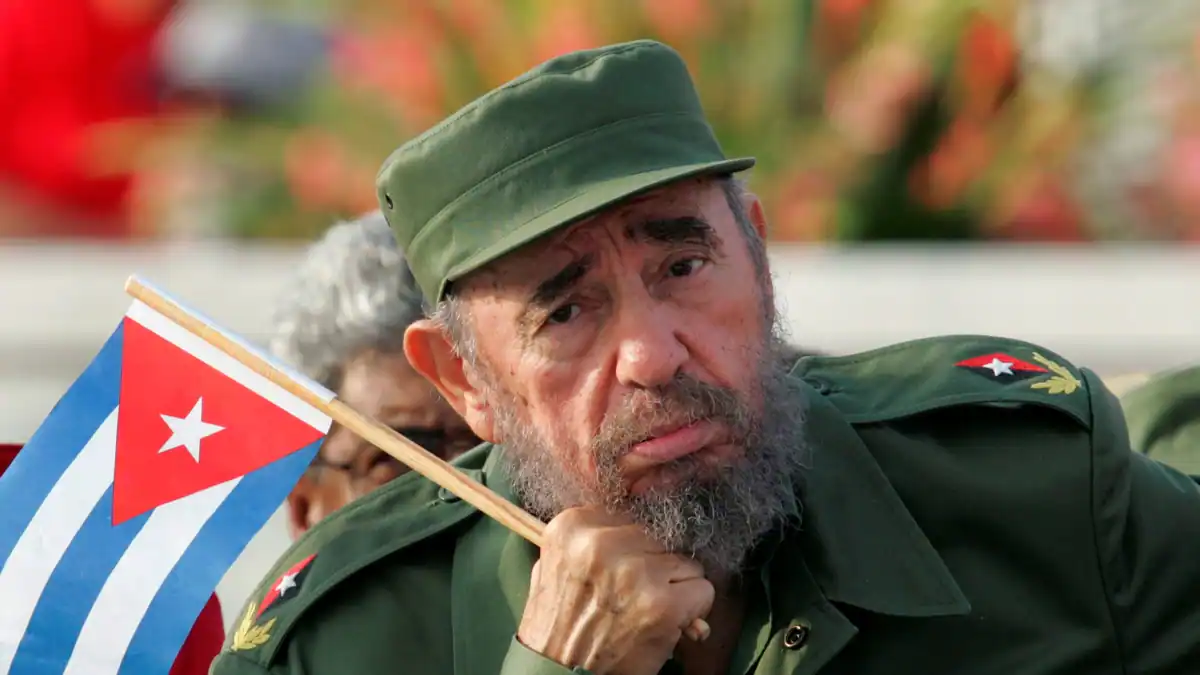
Ángel Castro y Argiz: A Prosperous Landowner
At the heart of Fidel’s lineage was Ángel Castro y Argiz, a significant figure in Birán and a prosperous sugarcane farmer. Ángel Castro, born in Spain, had immigrated to Cuba, where he became a relatively well-off landowner. His agricultural pursuits contributed to the family’s financial stability and set the stage for Fidel’s upbringing in a relatively affluent environment.
Lina Ruz González: The Mother Behind the Leader
Fidel Castro’s mother, Lina Ruz González, played a crucial role in shaping his early years. Born in the Oriente Province, Lina Ruz was the mistress of Ángel Castro, and together, they navigated the complexities of a society where social norms often influenced family structures.
Advertisement
The Complexity of Castro’s Origins
It’s important to note that Fidel Castro was the illegitimate son of Ángel Castro y Argiz and Lina Ruz González. This aspect of his parentage added a layer of complexity to the familial dynamics but did not hinder the young Castro’s ascent to become one of the most influential leaders in Cuban history.
The Influence of Birán
The rural setting of Birán played a significant role in shaping Fidel Castro’s worldview. Surrounded by the rhythms of sugarcane cultivation and the socio-economic disparities of the time, Castro’s formative years instilled in him a sense of justice and a commitment to addressing the inequalities that marked Cuban society.
Legacy Beyond Birán
While Birán was the birthplace of Fidel Castro and the backdrop of his early life, his legacy extended far beyond the sugarcane fields of Oriente Province. The ideals and principles that would later define the Cuban Revolution were incubated in the crucible of Birán, providing the foundation for a leader who would challenge the status quo and reshape the destiny of a nation.
Ángel Castro y Argiz and Lina Ruz González, the parents of Fidel Castro, were central figures in the narrative of one of the most significant political figures of the 20th century. From the fertile lands of Birán to the corridors of power in Havana, Fidel Castro’s journey was influenced by the complex tapestry of his familial roots. As we reflect on the life of Fidel Castro, it is crucial to recognize the roles played by his parents in shaping the early chapters of a revolutionary saga that would resonate far beyond the borders of Cuba.
Leave a Reply