

Daylight Saving Time in the UK: Embracing Longer Days
In the United Kingdom, the tradition of Daylight Saving Time (DST), also known as British Summer Time (BST), is a familiar annual occurrence.
Advertisement
But why does the UK observe DST, and what led to its introduction?
The UK and Daylight Saving Time
Yes, the UK indeed participates in Daylight Saving Time.
This practice involves moving the clocks forward by one hour during the spring months to extend daylight into the evening hours.
DST typically begins on the last Sunday in March and ends on the last Sunday in October, aligning with the changing seasons and patterns of daylight.
The Origin of Daylight Saving Time in the UK
The concept of Daylight Saving Time was first proposed in the UK by British builder William Willett in 1907.
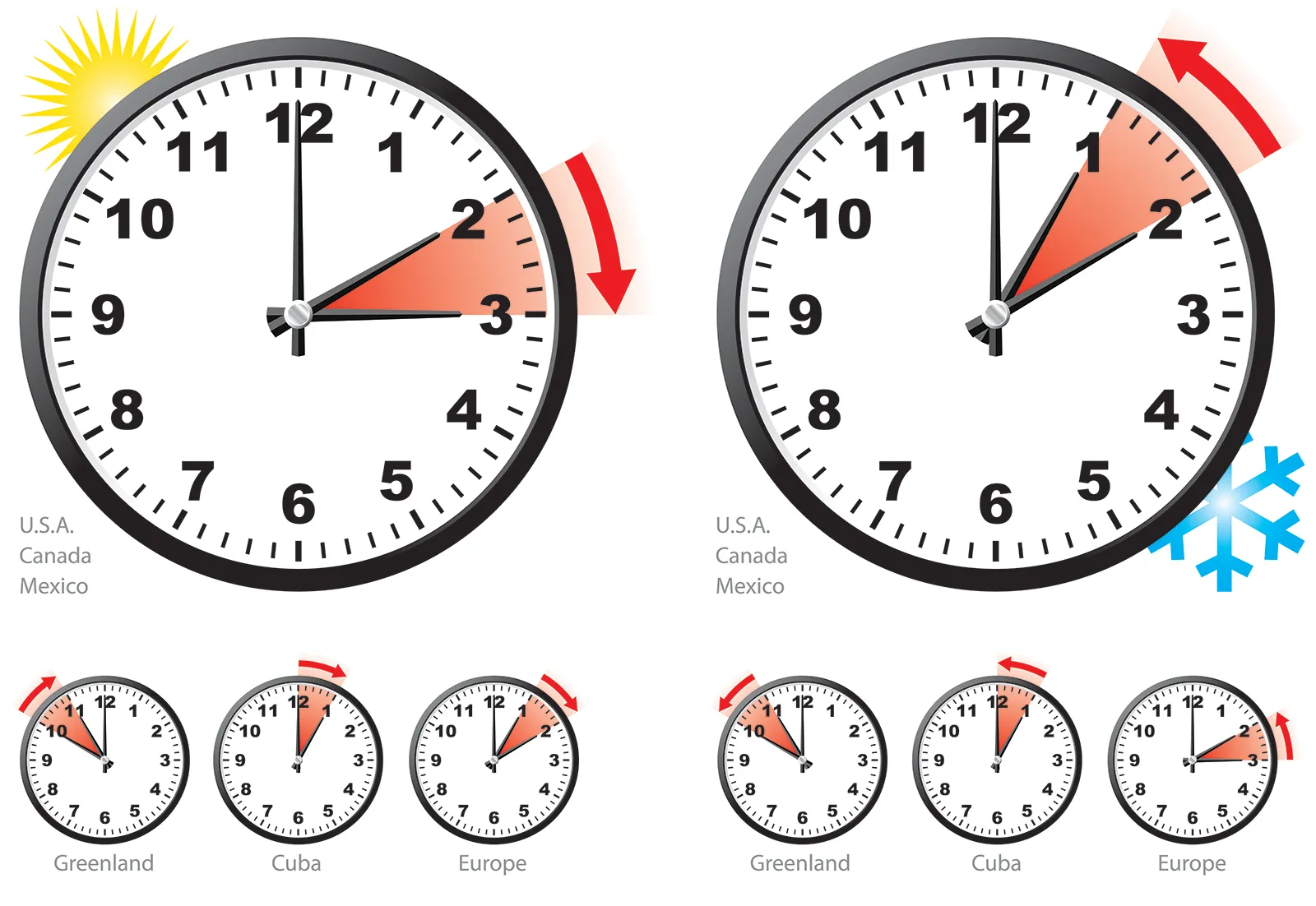
Willett advocated for adjusting the clocks to make better use of daylight during the summer months.
Advertisement
He believed that by shifting the clocks forward, people could enjoy longer evenings and make the most of natural light for recreational activities and outdoor pursuits.
Purpose and Benefits of Daylight Saving Time
The introduction of Daylight Saving Time in the UK aimed to provide several benefits.
By extending daylight into the evening hours, DST was expected to promote outdoor activities, improve public health, and reduce the consumption of artificial lighting, thus saving on energy costs.
Daylight Saving Time in the UK
Despite initial opposition and unsuccessful attempts to change the system, Daylight Saving Time has become an integral part of the UK’s timekeeping tradition.
Supporters of DST cite various benefits, including energy savings, reduced traffic accidents during brighter evenings, and increased opportunities for outdoor leisure and recreation.
Leave a Reply