
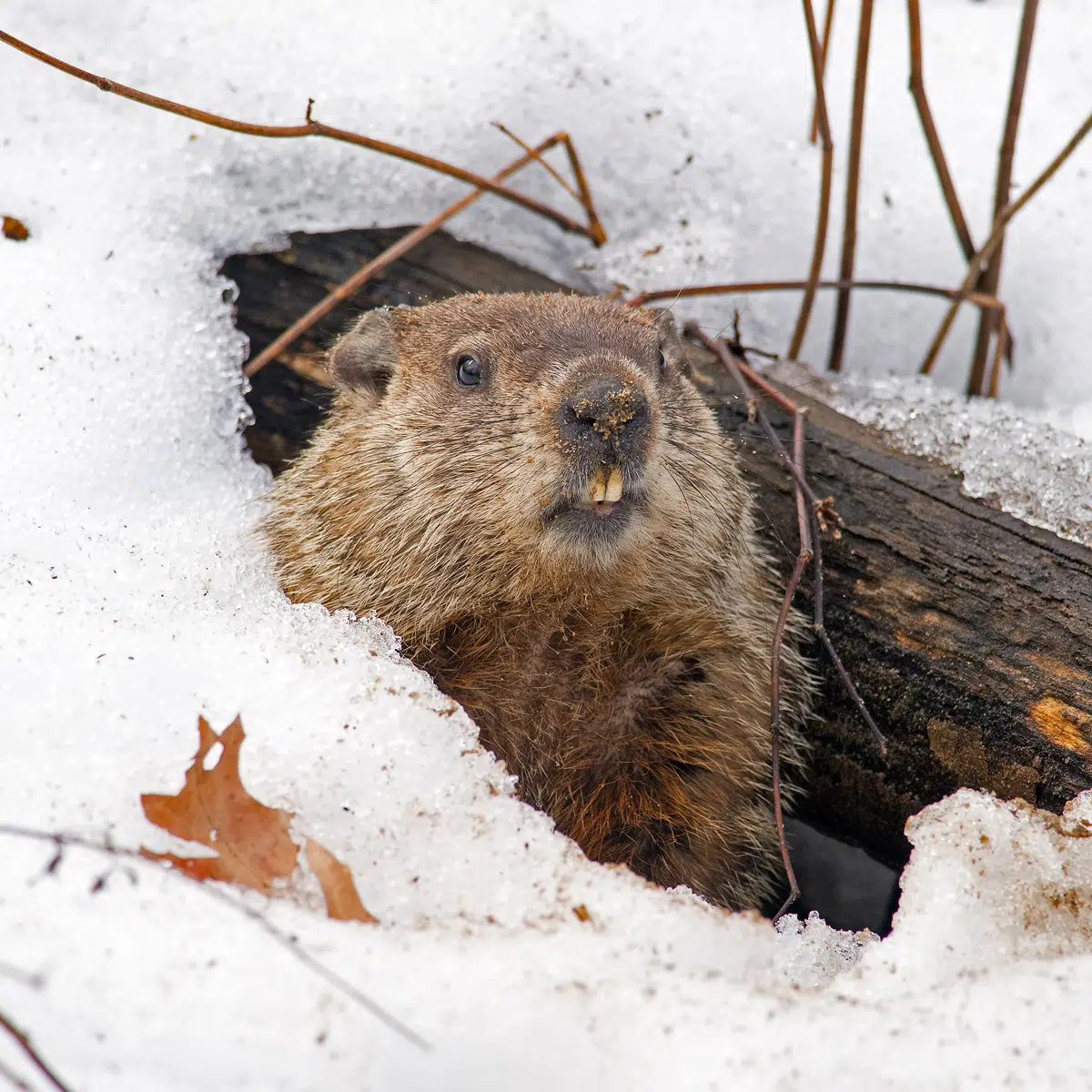
No, the Groundhog Day tradition is not scientifically accurate, and the predictions made by the groundhog are not reliable indicators of future weather. Groundhog Day is a cultural and folkloric tradition that has no basis in meteorological science.
Advertisement
The idea that a groundhog’s behavior, such as seeing its shadow or not, on February 2nd can predict the weather for the following weeks is purely a form of entertainment and folklore.

Weather patterns are complex and influenced by various factors, and predicting them accurately requires sophisticated meteorological tools and expertise, which groundhogs do not possess.
Advertisement
Studies and analyses have shown that the groundhog’s predictions are no more accurate than random chance. The accuracy of predicting the arrival of spring or the persistence of winter cannot be determined by the behavior of a groundhog on a specific day.
In short, while Groundhog Day is a fun and beloved tradition, it is not scientifically correct or reliable for weather forecasting. It’s important to rely on more established meteorological methods for accurate weather predictions.
Leave a Reply