
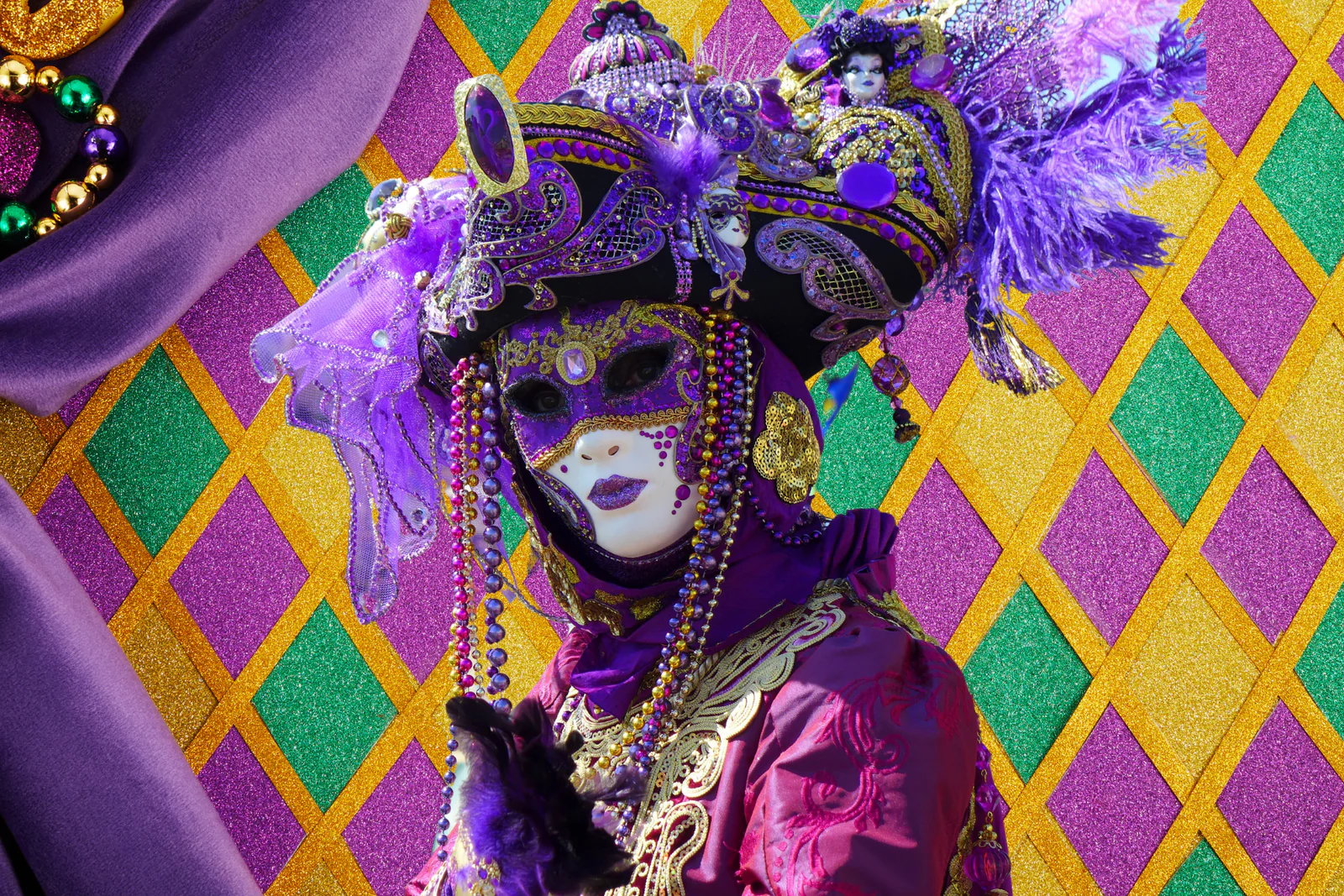
Fat Tuesday is a popular celebration that takes place on the day before Ash Wednesday, the start of Lent in the Christian calendar. Many people associate Fat Tuesday with indulging in rich foods, desserts, and drinks before the fasting period of Lent begins. But does Fat Tuesday have alcohol?
Advertisement
The answer is not so simple. Different regions and cultures have different traditions and customs for Fat Tuesday. Some may involve alcohol, while others may not. Here are some examples of how Fat Tuesday is celebrated around the world:

In New Orleans, Louisiana, USA, Fat Tuesday is also known as Mardi Gras, which means “Fat Tuesday” in French. Mardi Gras is famous for its colorful parades, costumes, beads, and parties. Alcohol is often consumed during the festivities, especially on Bourbon Street, the main nightlife area of the city.
Advertisement
In Brazil, Fat Tuesday is part of the Carnival, a week-long celebration that features music, dancing, and costumes. Carnival is influenced by African and European cultures and has a variety of styles and themes. Alcohol is also common during Carnival, especially caipirinha, a cocktail made with cachaça (sugarcane liquor), lime, and sugar.
In Sweden, Fat Tuesday is called Fettisdagen, which means “Fat Tuesday” in Swedish. Fettisdagen is celebrated by eating semla, a sweet bun filled with almond paste and whipped cream. Semla is usually eaten with coffee or milk, but some people may also drink beer or wine with it.
In Poland, Fat Tuesday is known as Ostatki or Zapusty, which means “the last days” or “the carnival” in Polish. Ostatki is marked by eating pączki, deep-fried doughnuts filled with jam or cream. Pączki are often eaten with tea or coffee, but some people may also enjoy them with vodka or beer.
As you can see, Fat Tuesday has different meanings and practices for different people. Whether or not it has alcohol depends on where you are and how you celebrate it. However, one thing that all Fat Tuesday celebrations have in common is that they are a time to enjoy life before the solemn season of Lent begins.
Leave a Reply