

Henry Alfred Kissinger, a multifaceted figure in American politics and diplomacy, held pivotal roles as the United States Secretary of State and National Security Advisor during the administrations of Richard Nixon and Gerald Ford. While renowned for his diplomatic achievements, Kissinger’s stance on the Vietnam War remains scrutinizing and controversial.
Advertisement
Born on May 27, 1923, in Fürth, Germany, Kissinger’s early life was marked by fleeing Nazi persecution with his family in 1938. Fast forward to the tumultuous era of the Vietnam War, where Kissinger’s involvement and evolving perspective played a significant role.
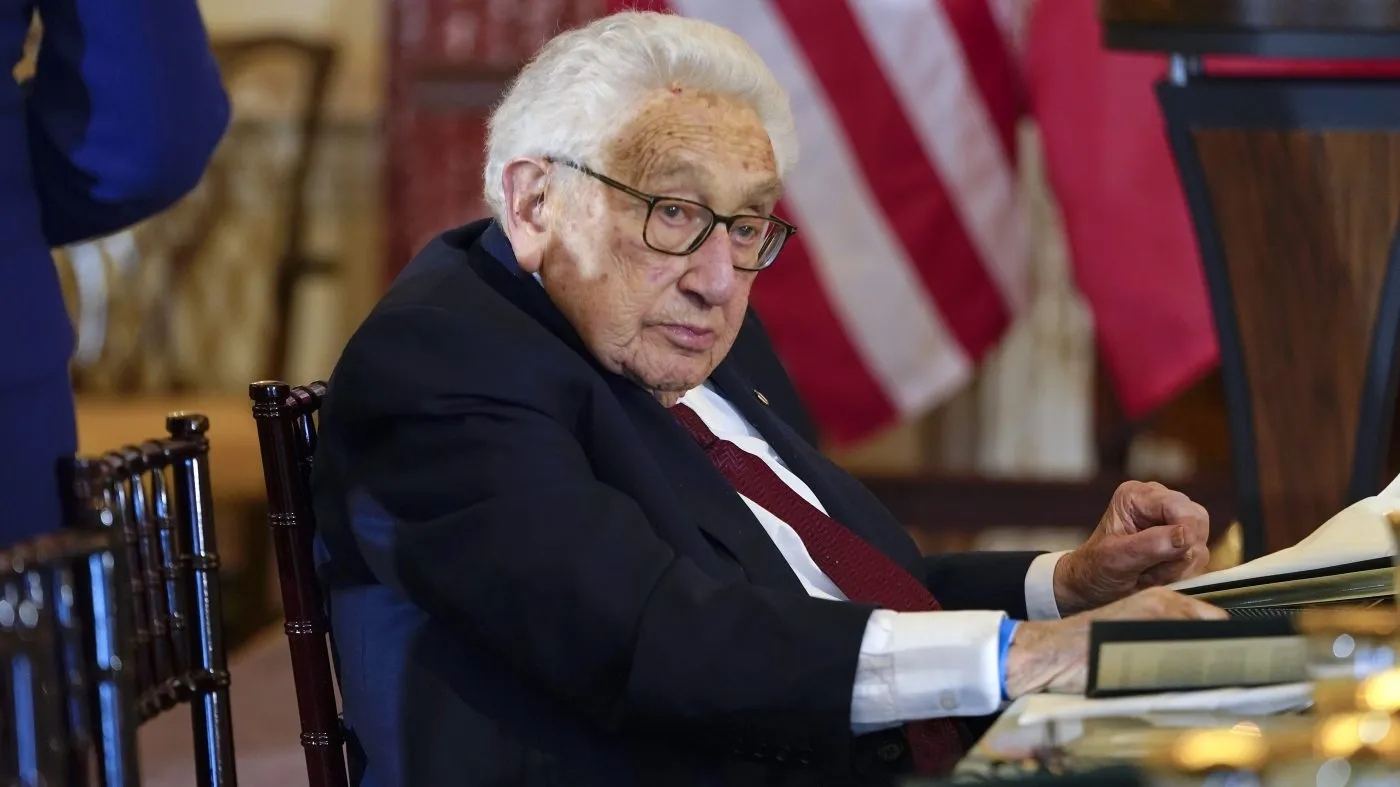
In the initial stages of the conflict, Kissinger was known as a supporter of U.S. involvement in Vietnam. As a political scientist and geopolitical consultant, he believed in the region’s strategic importance and the need to contain the spread of communism. His perspectives aligned with the prevailing sentiments within the U.S. government during the early 1960s.
However, as the Vietnam War unfolded and escalated, Kissinger’s views underwent a notable transformation. The conflict, characterized by its complexity and the loss of American lives, began to be seen by Kissinger as a drag on American power. The toll of the war, both in terms of human lives and resources, led him to reevaluate the efficacy and sustainability of U.S. engagement in Southeast Asia.
Advertisement
Kissinger’s pivotal role in negotiating a ceasefire in Vietnam added another layer to his relationship with the war. In recognition of his efforts, he was awarded the Nobel Peace Prize in 1973. However, the decision to honor Kissinger with this prestigious accolade was met with controversy, as critics pointed to the paradox of a key architect of U.S. foreign policy during the war receiving a peace prize.
The complexities surrounding Kissinger’s stance on the Vietnam War are emblematic of the broader debates and divisions that characterized American society during this tumultuous period. His journey from a supporter to a war critic reflects the nuanced perspectives that emerged as the conflict unfolded.
In assessing Kissinger’s legacy, it is essential to acknowledge the intricate tapestry of his views on the Vietnam War. While he started as a proponent, the evolving nature of the conflict led him to reassess the costs and consequences of continued military involvement. This nuanced perspective adds depth to our understanding of a man whose diplomatic legacy continues to shape discussions on American foreign policy.
The question of whether Henry Kissinger supported the Vietnam War is not a simple yes or no. His evolving stance reflects the complexities of a turbulent era, shedding light on the intricate dynamics that shaped U.S. foreign policy during one of its most challenging chapters.
Leave a Reply