
Category: News
-

Can you trade in 2 iphones for 1 att? Can you trade in 2 phones at AT&T?
Yes, you can trade in multiple devices at AT&T. If you have more than one device that you’d like to trade in, you can do so. However, each device will need to be traded in separately. Here’s how you can do it: First, you’ll need to go to the AT&T website and navigate to the…
-

Can I pay my ATT bill with my bank account?
Can I pay my ATT bill with my bank account? Yes, you can pay your AT&T bill with your bank account. Here’s how you can do it: First, make sure you have your AT&T account number or active AT&T phone number handy. You’ll also need your billing ZIP Code. Next, go to the AT&T website…
-

Can I bring my own phone to ATT?
Can I bring my own phone to ATT? Yes, you can bring your own phone to AT&T. Here’s how you can do it: First, make sure your device is compatible with the AT&T network. If you bought your device from AT&T, it should already be compatible. If you bought it somewhere else, you’ll need to…
-
Can I activate my ATT phone myself?
Can I activate my ATT phone myself? Yes, you can activate your AT&T phone yourself. Here’s a step-by-step guide on how to do it: Check Device Compatibility: First, make sure that your device is compatible with the AT&T network. If you bought your device from AT&T, it should already be compatible. If you bought it…
-

Can I add data to my ATT plan?
Yes, you can add data to your AT&T plan. If you find that you’re using more data than your current plan allows, there are a few options available to you. If you’re on a Mobile Share plan, you can change to a higher level plan for a month. For example, if you have the 2GB…
-
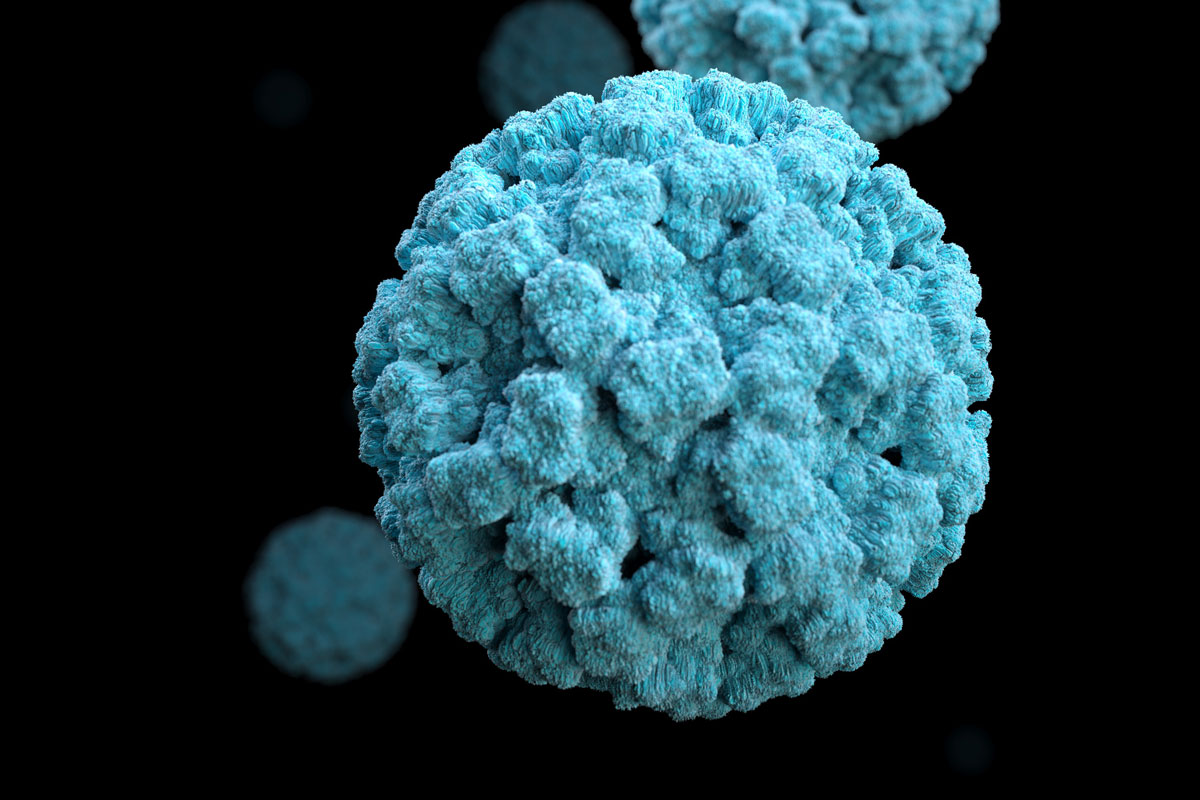
Why is norovirus worse at night?
Norovirus, like many other viruses, can seem worse at night. This is not because the virus itself becomes more severe, but rather due to the body’s responses to the virus. During the day, we are often distracted by our daily activities such as work, school, or chores. These distractions can make us less aware of…
-
Why is it called norovirus? Where does norovirus hide?
Norovirus, a highly contagious virus causing gastroenteritis, was named after the city of Norwalk, Ohio, in the United States. The reason for this is that the virus was first identified following an outbreak of gastroenteritis in a school in Norwalk in 1968. This naming convention, where a virus is named after the location of its…
-
Who is most affected by norovirus?
Norovirus is a highly contagious virus that causes gastroenteritis, an inflammation of the stomach and intestines. It is known for causing sudden outbreaks of vomiting and diarrhea, and it can affect people of all ages. However, certain groups are more susceptible to norovirus and may experience more severe or prolonged infections. Young Children Children under…
-
Where is norovirus found? Where is norovirus naturally found?
Norovirus, also known as the winter vomiting bug, is a highly contagious virus that causes gastroenteritis. It is found in the stool or vomit of infected people, and people with norovirus illness can shed billions of virus particles. These particles can spray through the air and land on people or surfaces, leading to further infections.…
-
Where does norovirus hurt?
Norovirus is a highly contagious virus that causes gastroenteritis, an inflammation of the stomach and intestines. This condition is sometimes referred to as the stomach flu, although it is not related to the influenza virus. The symptoms of norovirus infection can appear quite suddenly. They typically begin 12 to 48 hours after exposure to the…


