

Ultrasounds can show large clumps of tissue that are likely signs of endometriosis, however, it is not always reliable. The success of ultrasounds depends on the location and extent of the endometrial tissue.
Advertisement
Transvaginal ultrasound is often used to evaluate the pelvis and can detect endometriomas (ovarian cysts) that are associated with endometriosis.
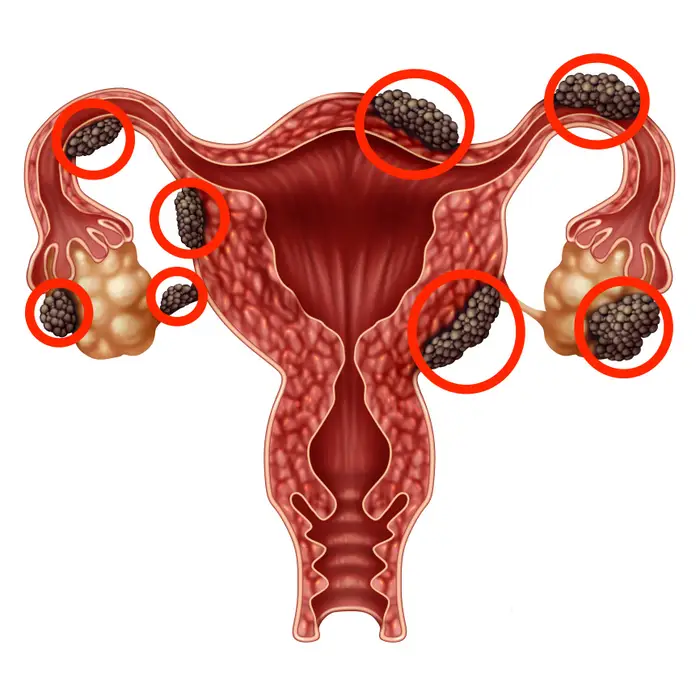
The best medication for endometriosis depends on the individual’s symptoms and the severity of the condition. Treatment options include pain relievers, hormone therapy, and surgery.
Advertisement
Combined estrogen and progestin hormonal contraceptives are first-line therapy for endometriosis. Pain relievers, such as nonsteroidal anti-inflammatory drugs (NSAIDs) and acetaminophen, can help manage the pain.
Hormone therapy, such as birth control pills, progestin-only contraceptives, or gonadotropin-releasing hormone (GnRH) agonists, can help manage symptoms by reducing or eliminating menstrual periods and the growth of endometrial tissue.
Surgery, such as laparoscopic excision or ablation of endometrial tissue, can also be effective in reducing pain and improving fertility.
Leave a Reply