

Neuralink is a company founded by Elon Musk that is developing a brain-computer interface called “the Link”, which is a surgically implanted device that can record and stimulate brain activity.
Advertisement
The Link may have various applications, such as restoring movement, vision, and communication for people with neurological disorders or injuries. According to Neuralink, the Link can enable an individual to perceive a broad range of sounds with high amplitudes, thereby acting as an auditory implant.
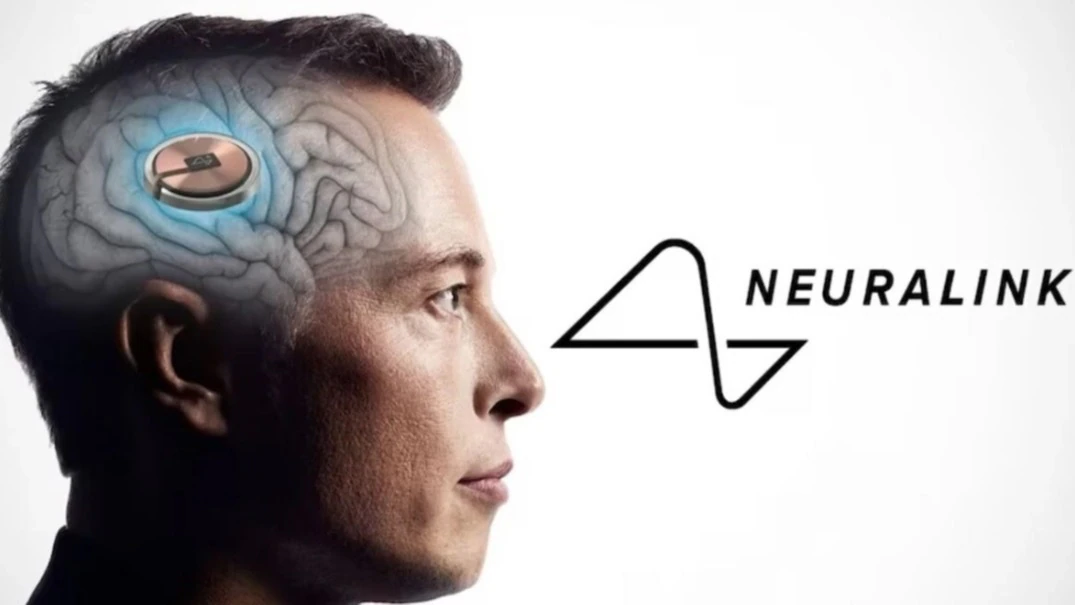
This could potentially help people who have severe to profound hearing loss or deafness, by electrically stimulating the auditory nerve fibers. The Link would decode the neural signals from the auditory cortex and send them to a wired device that can produce sounds.
However, Neuralink has not yet demonstrated this capability in humans, and there are still many challenges and uncertainties involved in creating a bionic hearing system. Other types of auditory implants, such as cochlear implants, auditory brainstem implants, and auditory cortical implants, are already in clinical use or in the research phase.
Advertisement
These implants bypass the damaged parts of the ear and directly stimulate the auditory nerve or the brain. They have shown some success in restoring partial hearing to some people, but they also have limitations, such as high cost, invasive surgery, low sound resolution, and limited frequency range.
Neuralink claims that its technology can overcome these limitations by providing a scalable, high-bandwidth, wireless system that can access more regions of the brain and deliver more information. Neuralink also claims that its technology can be used for communication, by allowing people to control devices such as keyboards, mice, phones, or computers using only their thoughts.
This could potentially help people who have paralysis, speech disorders, or other conditions that impair their ability to communicate verbally or physically. The Link would decode the neural signals from the motor cortex and send them to a wired device that can execute commands. However, Neuralink has not yet demonstrated this capability in humans either, and there are still many challenges and uncertainties involved in creating a brain-computer interface for communication.
Leave a Reply