

Cervical cancer is a type of cancer that affects the cervix, the lower part of the uterus that connects to the vagina. It is mainly caused by a virus called human papillomavirus (HPV), which can be passed through sexual contact. HPV is very common and most people who are sexually active will get it at some point in their lives.
Advertisement
However, not all types of HPV cause cervical cancer. Some types may cause genital warts, while others may not cause any symptoms at all. The body’s immune system usually clears the virus within a few years, but in some cases, it can persist and lead to abnormal changes in the cervical cells that can become cancerous over time.
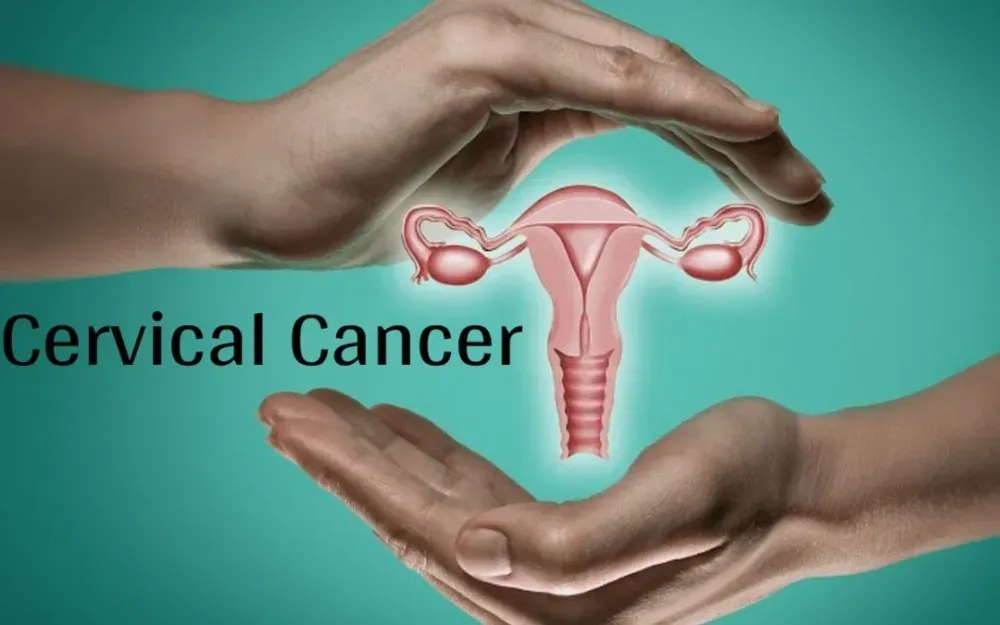
So, can men get cervical cancer? The answer is no because men do not have a cervix. However, men can get other types of cancers that are linked to HPV infection, such as cancer of the mouth and throat, penis, or anus. These cancers are much less common than cervical cancer in women, but they can still be serious and life-threatening.
According to the American Cancer Society, about 2,070 men in the U.S. will be diagnosed with penile cancer and 3,150 men will be diagnosed with anal cancer in 2022. The risk of anal cancer is about 17 times higher in sexually active gay and bisexual men than in men who have sex only with women. Men who have HIV are also at higher risk of getting these cancers.
About 13,000 new cases of HPV-related mouth and throat cancers are diagnosed in men each year in the U.S. These cancers are more common in men than in women and are often found in the back of the throat, including at the base of the tongue and in the tonsils.
Advertisement
Can cervical cancer be transmitted to a man? The answer is no, because cervical cancer is not an infectious disease. Your partner cannot catch it from you. However, HPV infection can be transmitted to a man through sexual contact with a woman who has it.
This means that a man can get infected with HPV from a woman who has cervical cancer or precancerous changes in her cervix. This does not mean that he will develop cancer himself, but it may increase his risk of getting other types of HPV-related cancers.
How can men reduce their risk of getting HPV-related cancers? There are several ways to lower your chances of getting infected with HPV or developing cancer from it:
Get vaccinated against HPV. The HPV vaccine can protect you from the most common types of HPV that cause genital warts and cancers. The vaccine is recommended for boys and girls aged 11 or 12, but it can also be given to men up to age 26 who have not been vaccinated before.
Use condoms during sex. Condoms can reduce your exposure to HPV and other sexually transmitted infections (STIs). However, they do not provide complete protection because HPV can infect areas that are not covered by a condom.
Limit your number of sexual partners. Having multiple sexual partners increases your chances of getting exposed to different types of HPV and other STIs.
Don’t smoke. Smoking weakens your immune system and makes it harder for your body to fight off HPV infection and prevent cancer.
Get regular check-ups. There is no routine test for men to check for HPV infection or HPV-related cancers. However, you should see your doctor if you notice any symptoms that worry you, such as genital warts, changes in the appearance of your penis or anus, pain or bleeding during sex or bowel movements, or persistent sore throat or difficulty swallowing.
HPV infection and HPV-related cancers are serious health issues that affect both men and women. By being aware of the risks and taking steps to prevent them, you can protect yourself and your partner from these diseases.
Leave a Reply