

Laryngopharyngeal reflux (LPR) is a condition that can significantly impact one’s quality of life. It results from the effects of reflux on the glottis and vocal cords, leading to a wide range of bothersome symptoms, including hoarseness, Globus sensation, and chronic throat clearing. For those who suffer from LPR, the question of whether it can be cured and what the best treatment options are is of paramount importance.
Advertisement

Dr Shreha Pathak ENT Specialist
Understanding Laryngopharyngeal Reflux
Laryngopharyngeal reflux is often confused with its more well-known counterpart, gastroesophageal reflux disease (GERD). While both conditions involve the backward flow of stomach acid, LPR differentiates itself by affecting the throat and voice box, leading to symptoms like chronic cough, difficulty swallowing, and even laryngitis.
The primary causes of LPR can include conditions that enable stomach acid to flow back into the esophagus, such as hiatal hernias or increased abdominal pressure. However, LPR can also be attributed to motility issues in the esophagus, like achalasia. This makes it a complex condition, as it may have various underlying causes.

Therapy Insights
Treatment Options for Laryngopharyngeal Reflux
The good news is that LPR can often be effectively managed with the right approach. Treatment typically involves a combination of lifestyle modifications, dietary adjustments, and medications.
Lifestyle Modifications
- Dietary Changes: Start by consuming smaller meals throughout the day to reduce the risk of reflux. Avoiding rich, spicy, and acidic foods can also help, as these can exacerbate LPR symptoms. It’s advisable to have your largest meal earlier in the day and refrain from eating within three hours of bedtime.
- Sleep Position: Sleeping on your left side can reduce the likelihood of reflux. Elevating the head of your bed with a wedge pillow can also be beneficial.
- Quit Smoking and Reduce Alcohol: Smoking can weaken the lower esophageal sphincter, making it easier for stomach acid to flow back into the throat. Reducing or quitting smoking is a significant step in managing LPR. Similarly, alcohol can relax the sphincter, so moderation is key.
- Stress Management: Stress can exacerbate LPR symptoms, so practicing stress-reduction techniques, such as yoga, meditation, and deep breathing exercises, can be helpful.
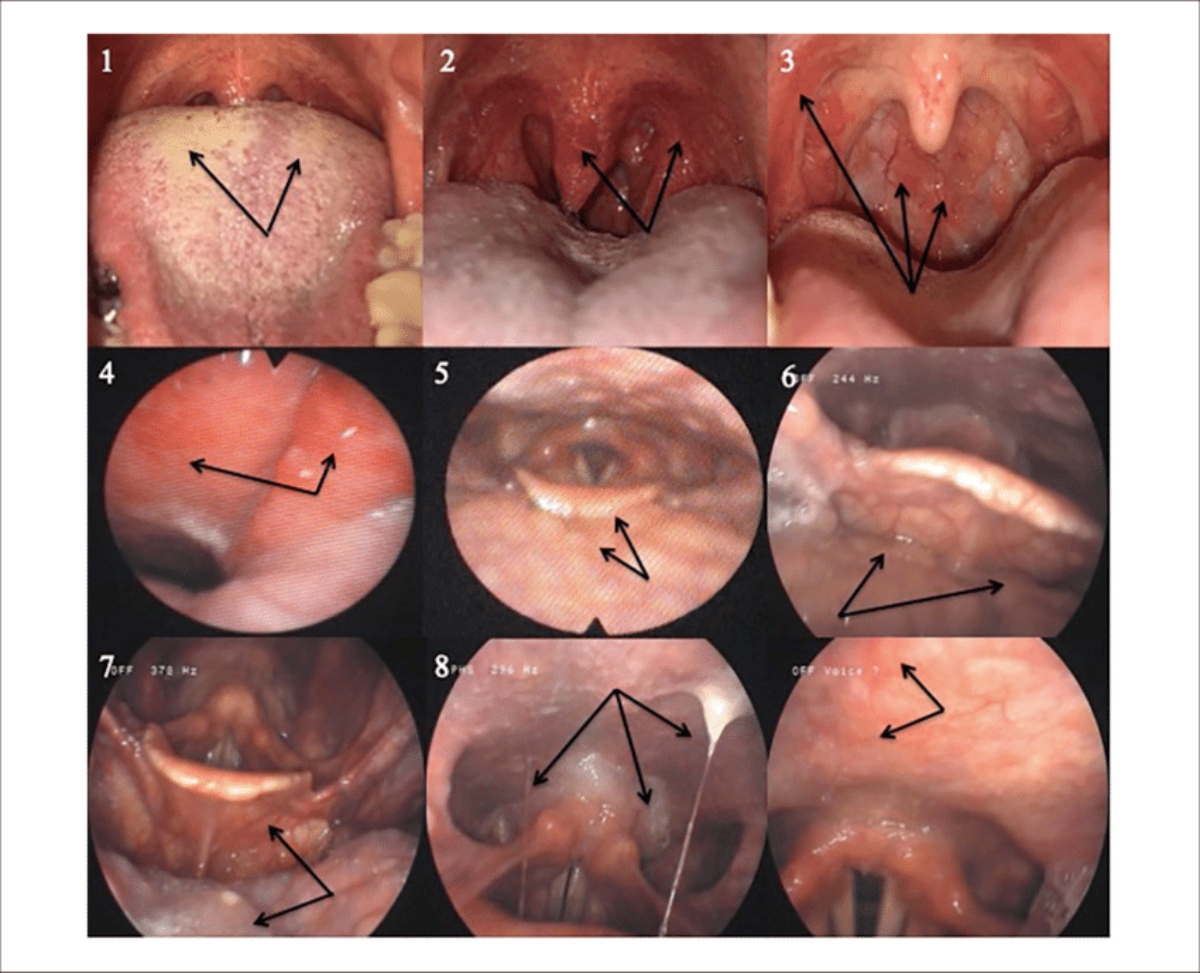
PHOTO CREDIT: RESEARCHGATES

Dietary Adjustments
Certain foods can either trigger or alleviate LPR symptoms. Here are some dietary considerations:
Advertisement
- Egg Whites: While eggs are often recommended for easing acid reflux, some individuals find that the high-fat content in egg yolks can exacerbate symptoms. Egg whites are a low-fat, low-cholesterol alternative that may help.
- Bananas: This yellow fruit is often considered safe for those with acid reflux due to its alkaline properties. It can help balance stomach acid and prevent symptoms.
- Lean Proteins: Opt for lean protein sources, such as skinless chicken breast, egg whites, low-fat fish, and plant-based options. Avoid high-fat meats like red steaks and processed meats.
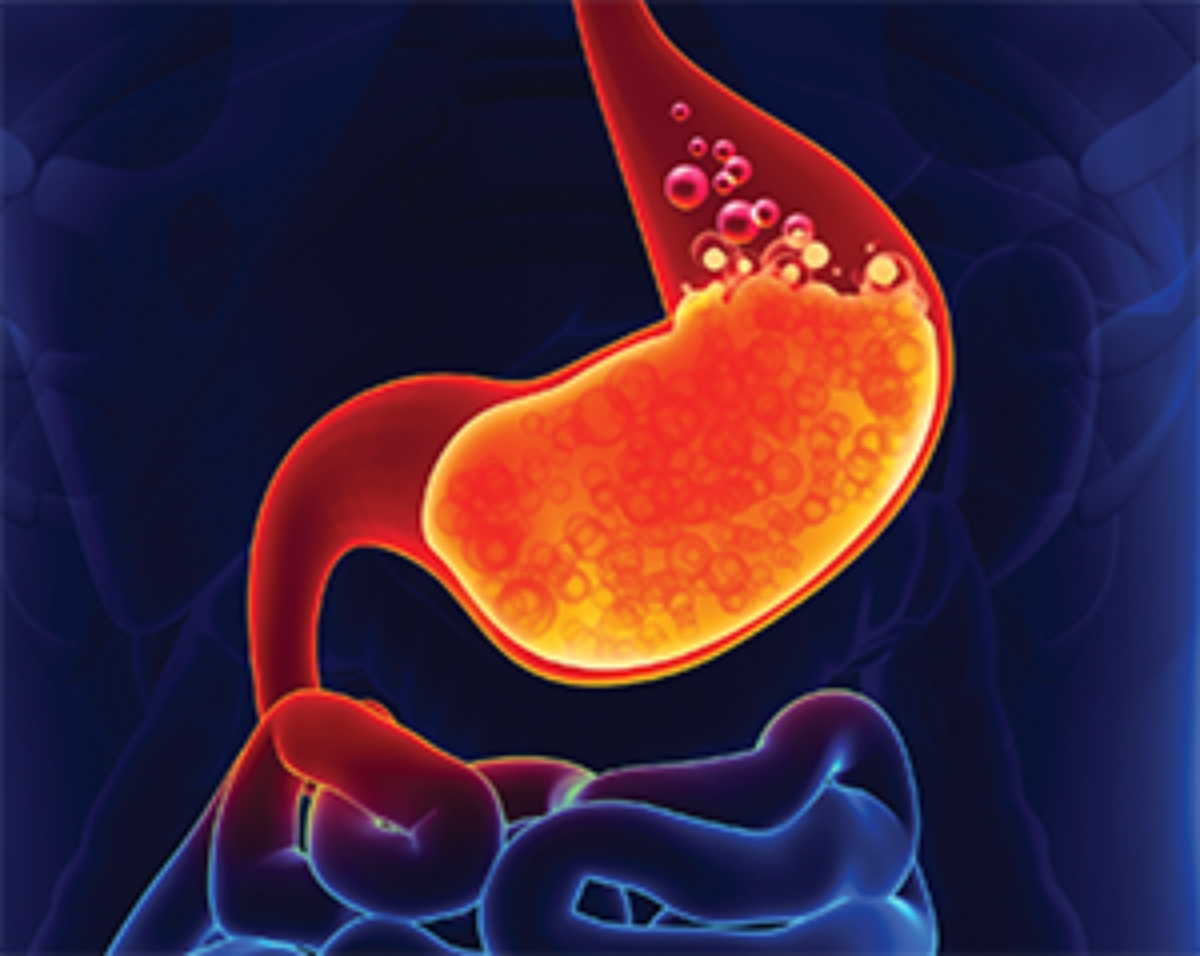
PHOTO CREDIT: RESEARCH GATES

Medications
Medications are often a crucial part of LPR treatment. The four primary categories of drugs used for LPR treatment are proton pump inhibitors (PPIs), histamine H2 blockers, prokinetic agents, and mucosal cytoprotectants. PPIs are the primary choice for medical therapy and should be taken 30 to 60 minutes before meals. It’s important to note that LPR typically requires longer and more aggressive treatment than GERD.

Houston Heartburn Center
Surgery
In severe cases of LPR where medication and lifestyle changes are insufficient, surgery may be recommended. Antireflux surgery aims to restore a better stomach valve to prevent reflux. This procedure can provide relief for many years, but it’s generally considered when other options have failed.
Can Laryngopharyngeal Reflux Be Cured?
The question of whether LPR can be cured is complex and depends on several factors, including the severity of the condition and the effectiveness of treatment. Some individuals can achieve complete recovery for months or even years, only to experience relapses later on. However, for most people, LPR can be well-controlled with the right treatment and lifestyle adjustments. In general, LPR is more likely to improve without medication than GERD, as only a small amount of reflux may cause it.

Laryngopharyngeal reflux is a challenging condition, but it can be effectively managed with the right approach. Treatment typically involves a combination of lifestyle changes, dietary modifications, and medications, with PPIs being the primary choice for medical therapy. While a cure may not always be possible, most individuals with LPR can find relief and improved quality of life with the appropriate management and a patient, long-term approach to healing. If you suspect you have LPR, it’s crucial to consult with a healthcare professional to determine the best treatment plan tailored to your specific needs.
Leave a Reply