
Niacin and vitamin C are two common supplements that provide numerous potential benefits to our health. They both act as antioxidants, helping to slow signs of aging and reduce the risk of disease. But what happens when they are taken together?
Advertisement
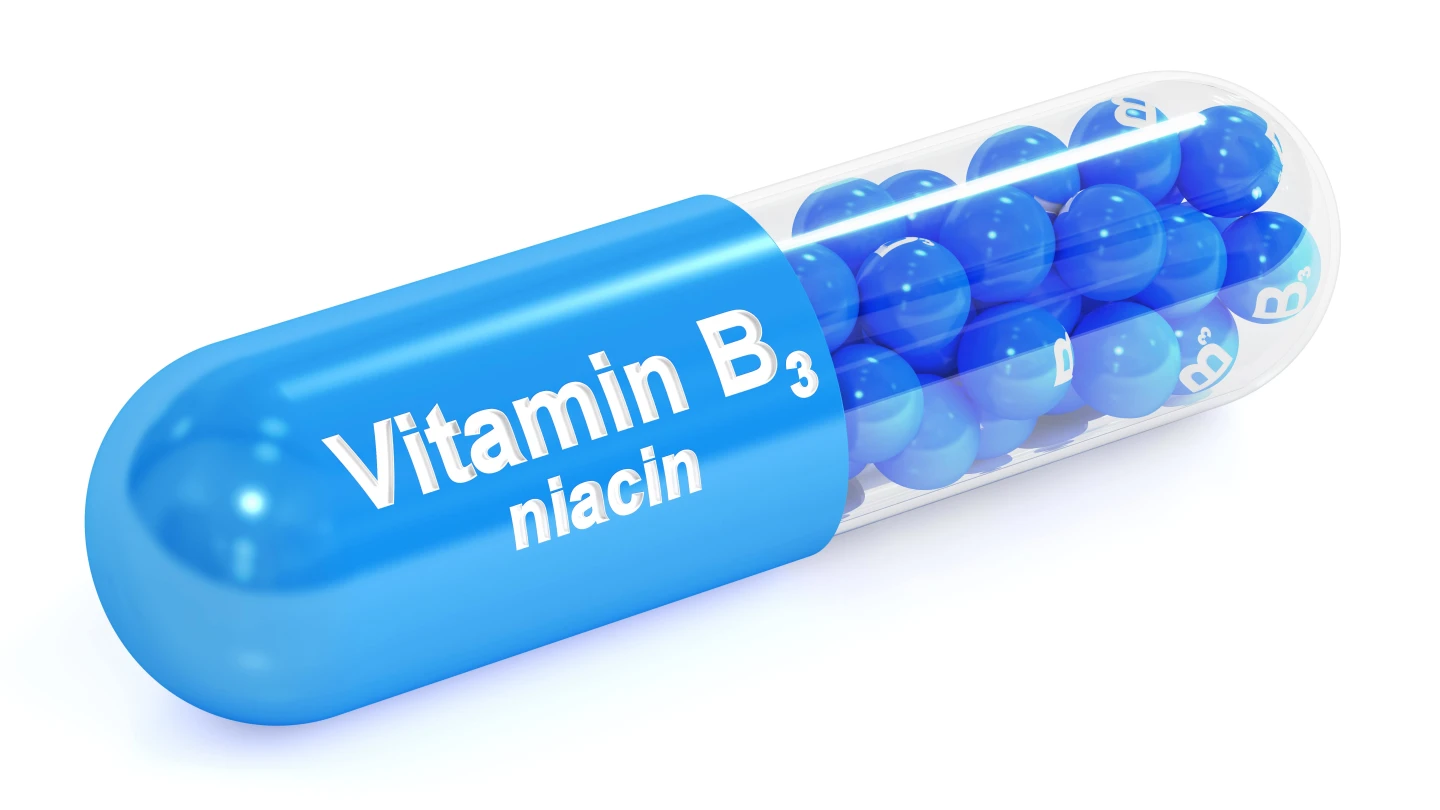
Niacin, also known as vitamin B3, plays a major role in synthesizing important compounds essential for over 400 biochemical reactions in the body. It helps convert the food you eat into energy, regulates cell signaling, aids in DNA synthesis and repair, and prevents cell damage from oxidative stress by acting as an antioxidant.

Niacin is found in food sources like chicken, turkey, brown rice, potatoes, and peanuts. The body can also make niacin from an amino acid called tryptophan, which is found in protein-rich foods. The main health benefits of niacin include reducing blood pressure, reducing the risk of type 1 diabetes, boosting brain function, and improving skin health.
Advertisement
On the other hand, vitamin C is an extremely important nutrient that is required for good health. It has numerous roles in the body, mainly fighting disease, maintaining healthy skin, blood vessels, bones, and cartilage, and more. Like niacin, vitamin C also has strong antioxidant properties and protects cells from damage. The body can’t produce vitamin C, so it has to be obtained through diet or supplements. Foods high in vitamin C include fruits and vegetables such as oranges, broccoli, and strawberries. The main health benefits of vitamin C include lowering blood pressure, supporting the immune system, and enhancing brain function.
Both vitamin C and niacin provide similar benefits to the body and our health. When combined, their antioxidant powers are doubled, and their effects are enhanced. Taking a multivitamin is a great way to boost your niacin and vitamin C intake. However, it’s always recommended to consult with a healthcare provider before taking any supplements to see if it’s safe, especially if you have a certain health condition or are taking specific medications.
In conclusion, niacin and vitamin C can be taken together and can even complement each other. They both provide similar benefits and when combined, their antioxidant powers are doubled, and their effects are enhanced. However, it’s always best to consult with a healthcare provider before starting any new supplement regimen.
Leave a Reply