

Cervical cancer can affect women of any age, but it is most often diagnosed between ages 35 and 44. Women living with HIV are six times more likely to develop cervical cancer than women without HIV.
Advertisement
Other risk factors include smoking, having multiple sexual partners, having sex at an early age, having other sexually transmitted infections, and having a family history of cervical cancer . The good news is that cervical cancer can be prevented and cured if detected early.
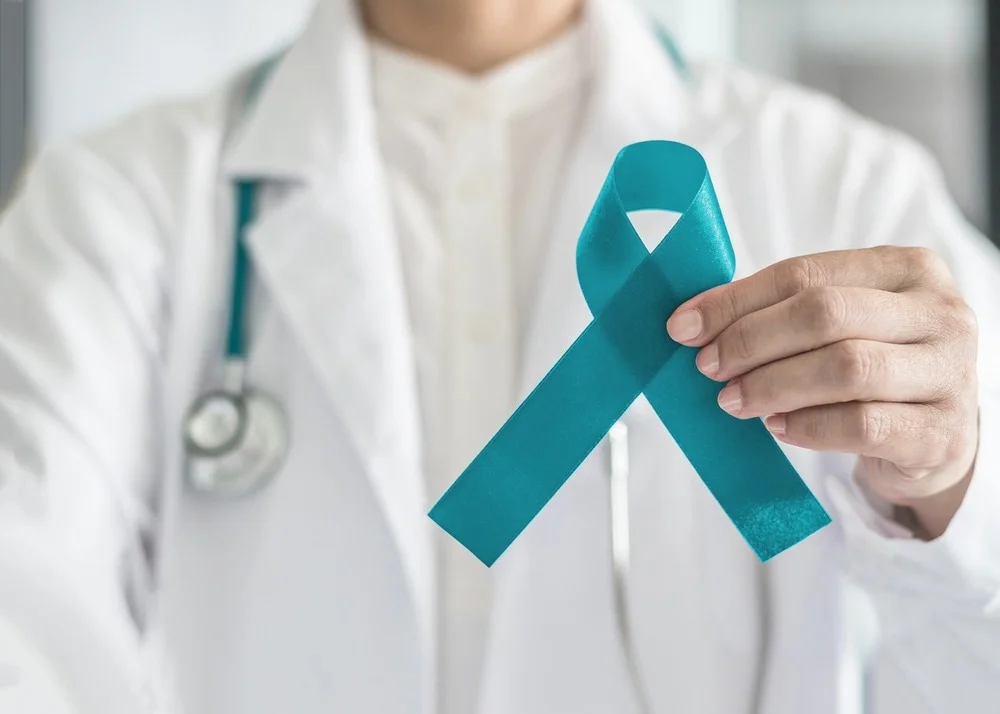
The WHO recommends that girls aged 9 to 14 receive two doses of the HPV vaccine, which protects against the most common types of HPV that cause cervical cancer. Women aged 30 to 49 should also have regular screening tests, such as Pap smear or HPV DNA test, to check for abnormal cells in the cervix. If abnormal cells are found, they can be treated before they become cancerous.
Advertisement
Cervical cancer symptoms may not appear until the later stages of the disease. Some of the signs and symptoms include:
– abnormal vaginal bleeding, such as after sex or between periods
– unusual vaginal discharge with a foul odor
– pelvic pain or pain during sex
– difficulty urinating or defecating
– swelling in the legs or lower abdomen
If you experience any of these symptoms, you should see a doctor as soon as possible. Early diagnosis and treatment can improve your chances of survival and quality of life. Cervical cancer is not a death sentence. It is a preventable and curable disease that can be avoided with vaccination, screening and treatment.
Leave a Reply