
Author: Gloria Irabor
-
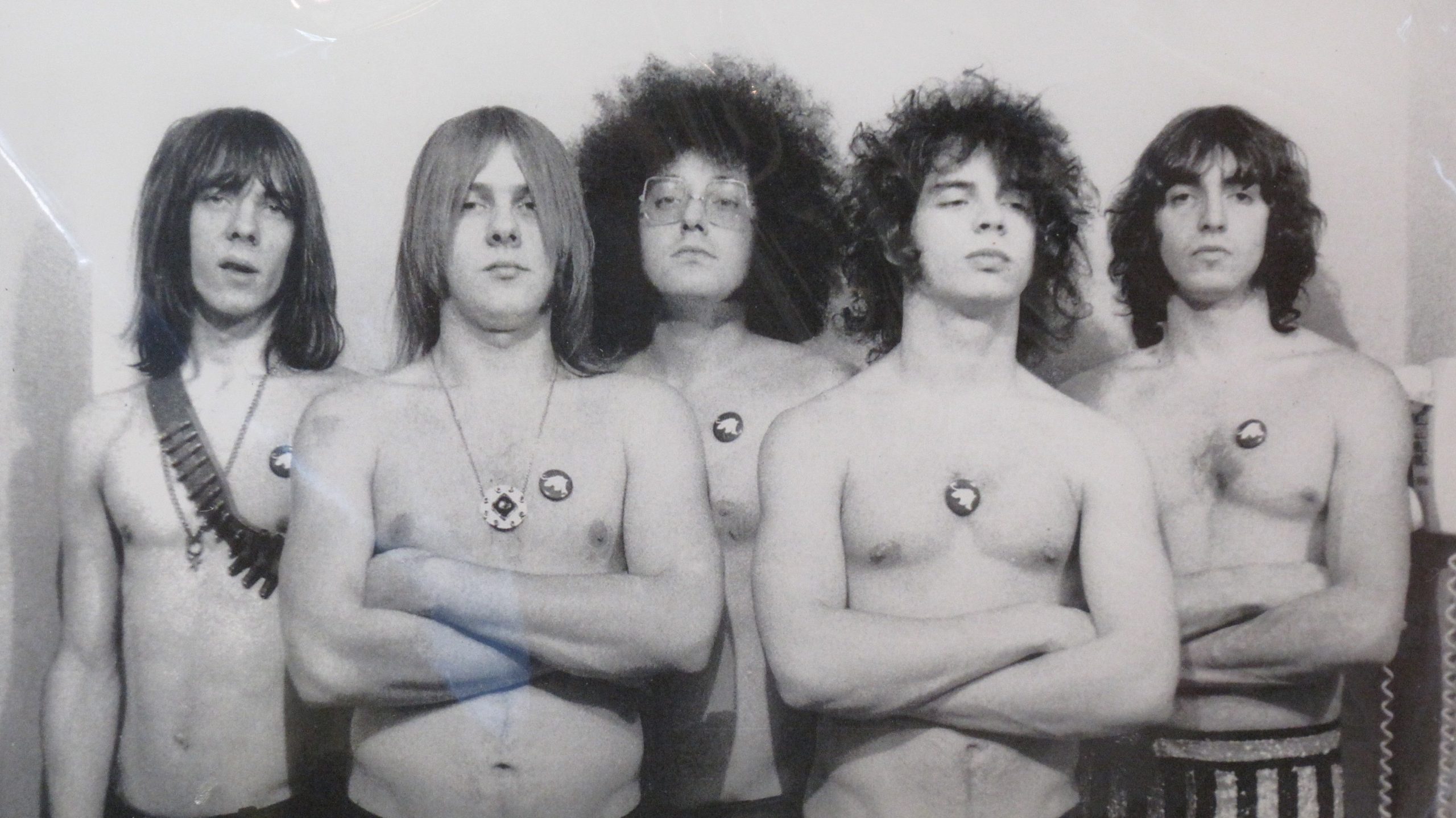
Who made MC5? What does MC5 stand for?
Formed in 1963, MC5 wasn’t the brainchild of one person but a collective effort among pals. With Rob Tyner on vocals, Wayne Kramer on lead guitar, Fred “Sonic” Smith on rhythm guitar, Michael Davis on bass, and Dennis Thompson on drums, they set out to rock the world. Initially, they jammed like any other garage…
-
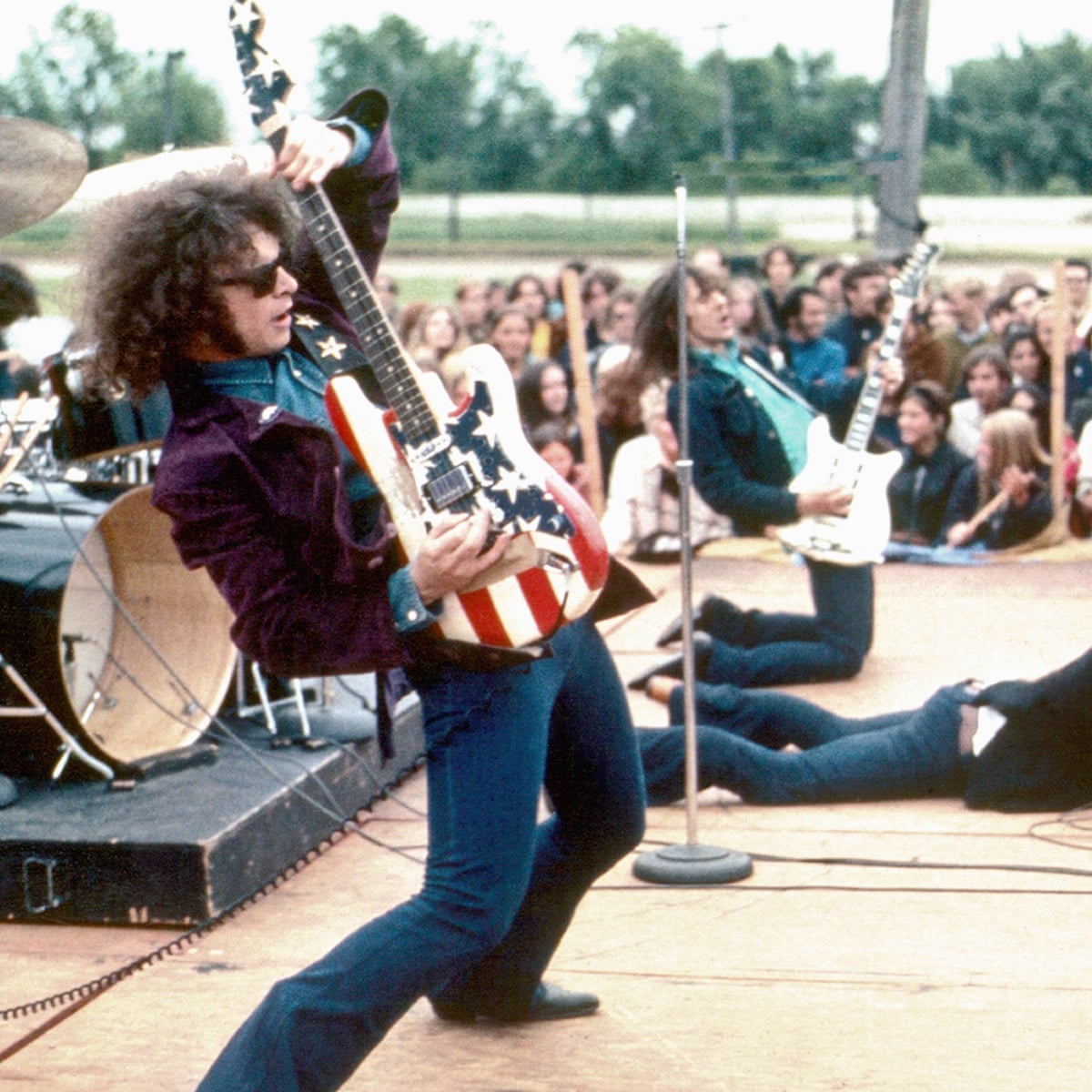
Who was the lead singer of the MC5?
Rob Tyner, born Robert William Derminer, rose to fame as the lead singer of the MC5, a legendary rock band from the late 1960s. Originally auditioning as a bassist, Tyner’s powerhouse vocals quickly thrust him into the spotlight as the band’s charismatic frontman. His electrifying stage presence and distinctive delivery captivated audiences, especially evident in…
-
When did the MC5 break up?
The MC5, a band known for their fiery performances and political fervor, called it quits in 1972 after a tumultuous journey. Formed in the early 1960s, they quickly made a name for themselves with their high-octane live shows. In 1969, they unleashed their electrifying debut album, “Kick Out the Jams,” recorded live and still revered…
-
Who are the surviving members of the MC5?
There are no surviving members of the iconic band MC5. Wayne Kramer, the guitarist and co-founder of the band passed away on February 2nd, 2024, leaving behind a legacy that shaped the landscape of punk rock and garage rock. The MC5, a band known for their electrifying performances and outspoken political activism, saw the departure…
-
Who influenced MC5?
MC5, the iconic band of the 1960s, was a product of diverse influences that shaped both their music and their worldview. From the streets of Detroit to the corridors of political activism, MC5’s journey was marked by a fusion of musical and ideological inspirations. Musically, their roots ran deep into the British Invasion, channeling the…
-
What is the history of the MC5?
The MC5, known as the Motor City Five, rocked the American music scene in the 1960s with their gritty, no-holds-barred sound. Formed by pals from high school, they started with covers but soon infused their music with distortion and feedback, setting themselves apart with their raw energy. Dubbed MC5, a nod to their Detroit roots,…
-
What was the first record of MC5?
In the annals of rock history, the MC5’s blazing debut album, “Kick Out the Jams,” often steals the spotlight. Yet, tracing back to early 1967, a lesser-known gem marked their first musical footprint. Managed by John Sinclair, the band dropped “I Can Only Give You Everything” coupled with “Looking at You” as their inaugural single…
-
What was the MC5 biggest hit?
Determining MC5’s greatest hit involves weighing commercial success against cultural influence. Commercially, “Looking At You” (1968) stands out as their debut single, reaching #76 on the Billboard Hot 100. Yet, it didn’t soar to mainstream fame. Culturally, “Kick Out the Jams” (1969) emerges as a powerhouse. Despite modest charting, its raw energy and rebellious spirit…
-
Rob Tyner death: What happened to the lead singer of MC5?
On September 18, 1991, the music world mourned the untimely loss of Rob Tyner, the dynamic frontman of the groundbreaking band MC5. Tyner, known for his electrifying stage presence and impassioned vocals, tragically passed away at the age of 46 due to a sudden heart attack in Berkley, Michigan, his hometown. Although his death was…
-
Is the MC5 in the Rock and Roll Hall of Fame?
The band MC5 may not have a spot in the prestigious Rock and Roll Hall of Fame, but their mark on rock music is undeniable. Known for pioneering the proto-punk genre, their influence resonates through the annals of musical history. Despite not being officially inducted, the Rock Hall hasn’t completely overlooked their contribution. In 1995,…

