
Author: adeyemi
-
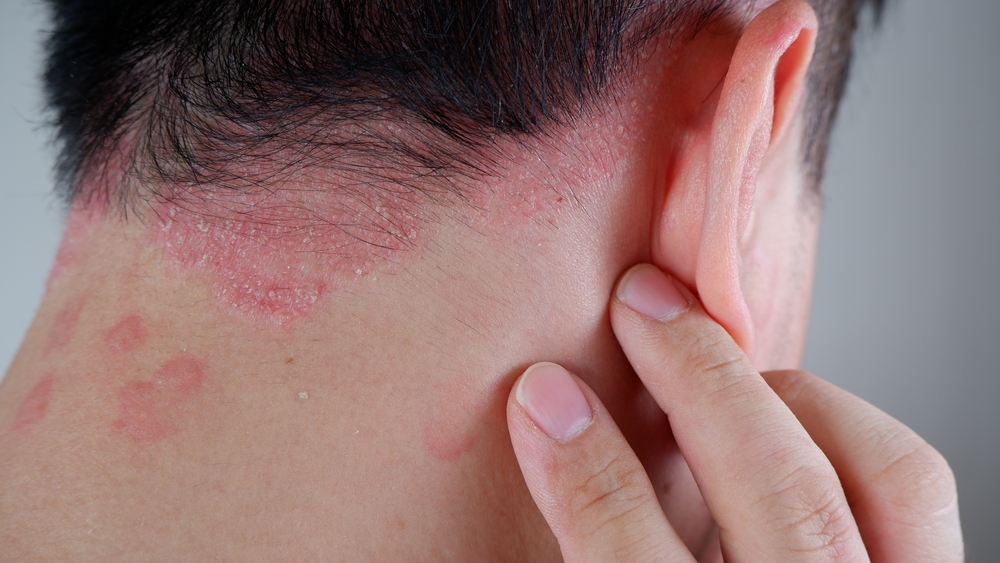
Why is psoriasis permanent?
Psoriasis is considered a chronic condition, meaning that it tends to persist over time. The underlying reasons for the chronic nature of psoriasis are complex and involve a combination of genetic, immune system, and environmental factors. Here are some key reasons why psoriasis is often a persistent or long-term condition: Genetic Predisposition: There is a…
-
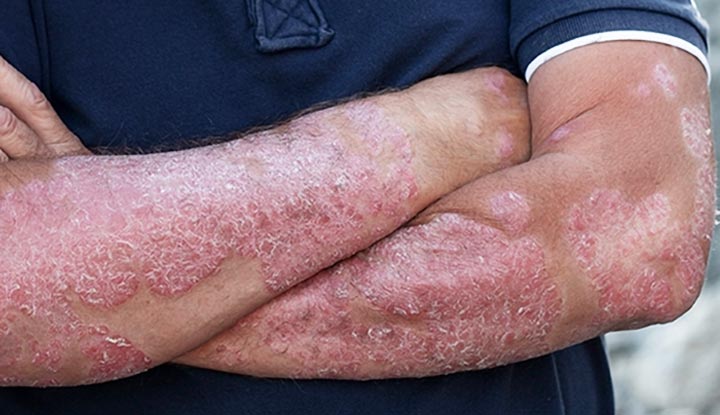
Is chicken OK for psoriasis? What fruits should you avoid if you have psoriasis?
Dietary factors can potentially influence psoriasis symptoms in some individuals, but the impact varies from person to person. There is no one-size-fits-all diet for psoriasis, and it’s essential to pay attention to your body’s responses to different foods. While some people with psoriasis report improvements with certain dietary changes, there is limited scientific evidence to…
-
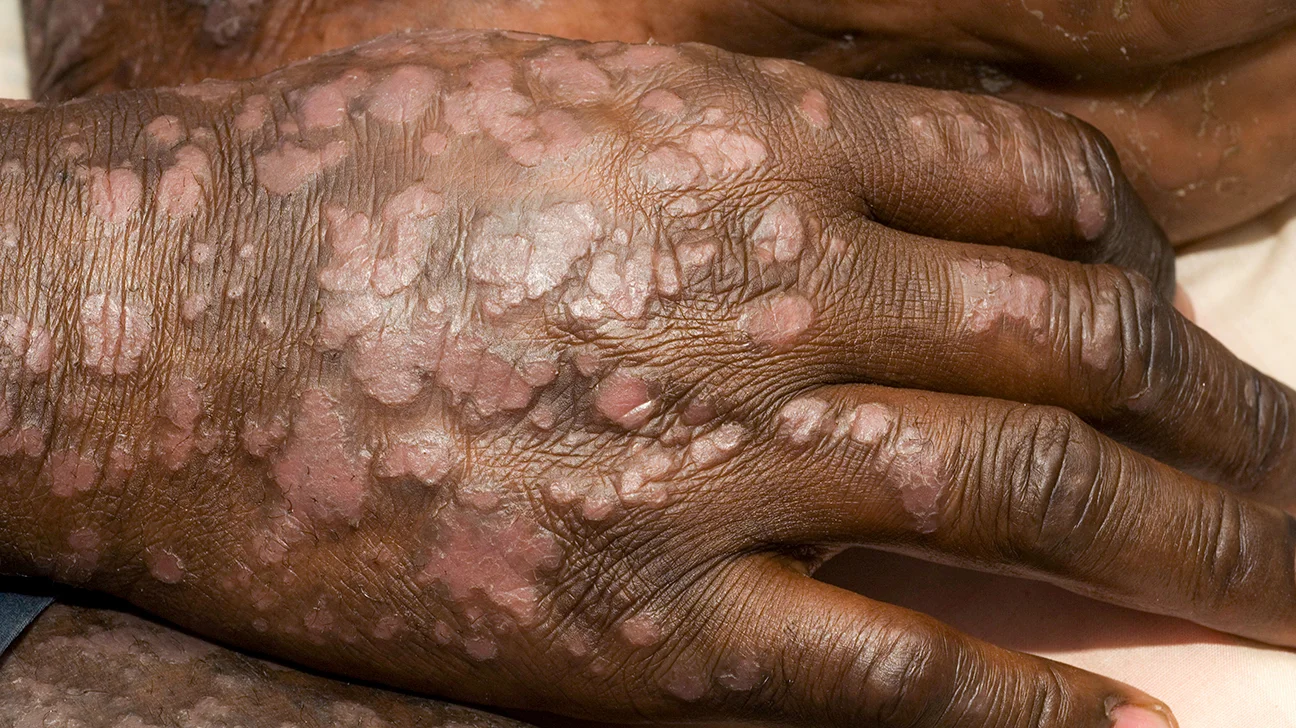
How can you prevent psoriasis from spreading?
Psoriasis is not a contagious condition, so it doesn’t spread from person to person through contact. However, psoriasis can spread to different areas of the skin on the same individual. Here are some general strategies to help prevent the spread and manage psoriasis: Avoid Scratching: Scratching or picking at psoriasis plaques can worsen the condition…
-
Is bleach bad for psoriasis?
If you have psoriasis, you may wonder if bleach can help your condition. Psoriasis is a chronic autoimmune disorder that causes your skin cells to grow faster than normal, leading to itchy, scaly patches of skin. Bleach is a chemical that can kill bacteria and fungi, but can also irritate your skin and eyes. According…
-
What does psoriasis look like on private parts? How do you get rid of psoriasis on private parts?
Psoriasis can affect any part of the body, including the genital area. Psoriasis in the genital region may appear as red, inflamed patches with silvery scales. It can be uncomfortable and may cause itching or pain. The presence of psoriasis on the genitals can be particularly distressing due to the sensitive nature of the skin…
-
How can psoriasis be treated?
Psoriasis is a chronic skin condition that causes red, scaly patches on the skin. It can affect any part of the body, but it often occurs on the elbows, knees, scalp, and lower back. Psoriasis is not contagious, but it can be uncomfortable and affect your quality of life. There is no cure for psoriasis,…
-
Can I eat rice if I have psoriasis?
Psoriasis is a chronic skin condition that causes inflammation and scaling of the skin. It can affect any part of the body, but it often occurs on the elbows, knees, scalp, and lower back. Psoriasis is not caused by what you eat, but some foods may trigger or worsen your symptoms. Rice is a type…
-
How is psoriasis transmitted? How do I know if I’m getting psoriasis?
If you have ever wondered about these questions, you are not alone. Psoriasis is a common skin condition that affects millions of people worldwide. But what exactly is psoriasis and how does it develop? Psoriasis is a chronic autoimmune disease that causes your skin cells to grow faster than normal. This results in patches of…
-
Is hot water good or bad for psoriasis?
If you have psoriasis, you may wonder how bathing affects your skin. Psoriasis is a chronic condition that causes patches of thick, scaly skin that may be itchy, painful, or inflamed. According to dermatologists, bathing can help or worsen your psoriasis symptoms depending on how you do it. Here are some tips to make your…
-
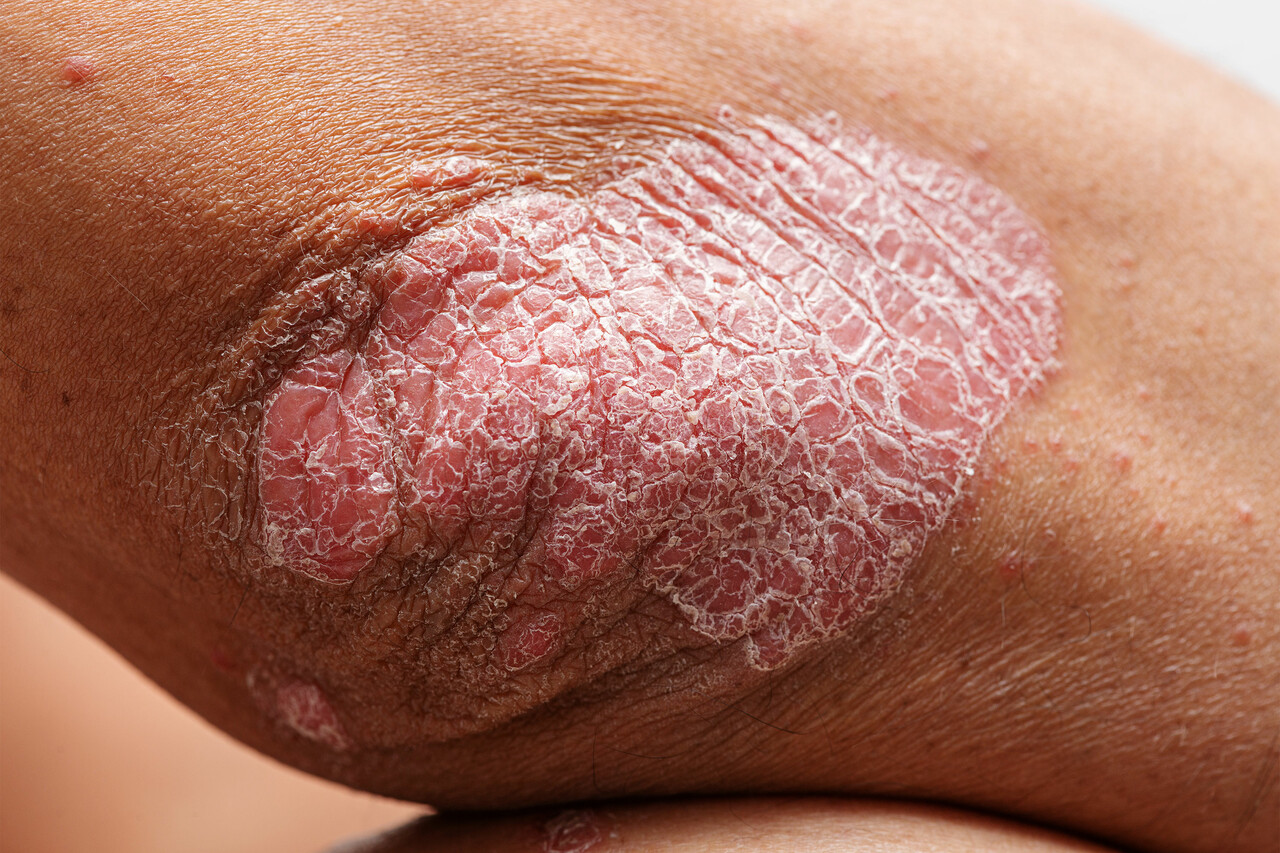
How does psoriasis start? What does psoriasis look like when it first starts?
Psoriasis starts when your immune system mistakenly attacks your healthy skin cells, causing them to multiply faster than they can shed. This leads to a buildup of skin cells on the surface of your skin, forming thick, scaly patches called plaques. Psoriasis is thought to be a genetic condition, meaning that you inherit a tendency…


