
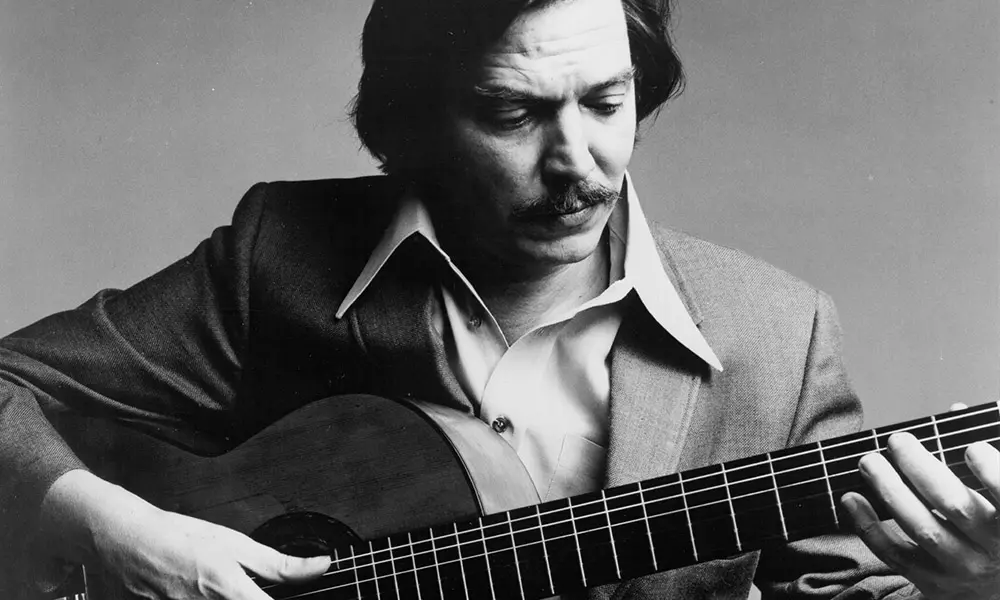
In early 1994, after the completion of his musical masterpiece, “Antonio Brasileiro,” Jobim found himself confronting a health issue that would ultimately shape the narrative of his final months. The maestro, known for his timeless contributions to bossa nova and Brazilian music, complained to his doctor, Roberto Hugo Costa Lima, about urinary problems. Little did he realize that this seemingly benign concern would lead to a series of events that would impact the world of music profoundly.
Advertisement
Seeking medical intervention, Jobim underwent a surgical procedure at Mount Sinai Hospital in New York City on December 2, 1994. The objective was to address the urinary issues that had become a cause for concern. At this point, Jobim, ever devoted to his craft, must have been anticipating a swift recovery, eager to share his musical prowess with the world once again.

Image Credit: All About Jazz
However, fate had other plans. On December 8, 1994, while recovering from surgery, Jobim suffered a cardiac arrest, triggered by a pulmonary embolism. Two hours later, another cardiac arrest followed, and the world lost a musical luminary whose melodies had transcended cultural boundaries.
Advertisement
The pulmonary embolism, a sudden blockage in one of the pulmonary arteries, proved to be a critical turning point in Jobim’s battle with illness. Despite the efforts to resuscitate him, the maestro succumbed to the complications that arose during his recovery.
Jobim’s passing left a void in the hearts of music lovers globally, and Brazil mourned the loss of a national treasure. His contributions to the world of music, characterized by sophisticated harmonies and innovative compositions, had left an indelible mark.
Posthumously, on December 11, 1994, just three days after his death, Jobim’s final album, “Antonio Brasileiro,” was released—a poignant farewell that echoed his enduring passion for music. The album stands as a testament to Jobim’s unwavering commitment to his craft, encapsulating the essence of Brazilian music that he so brilliantly defined.
Leave a Reply