
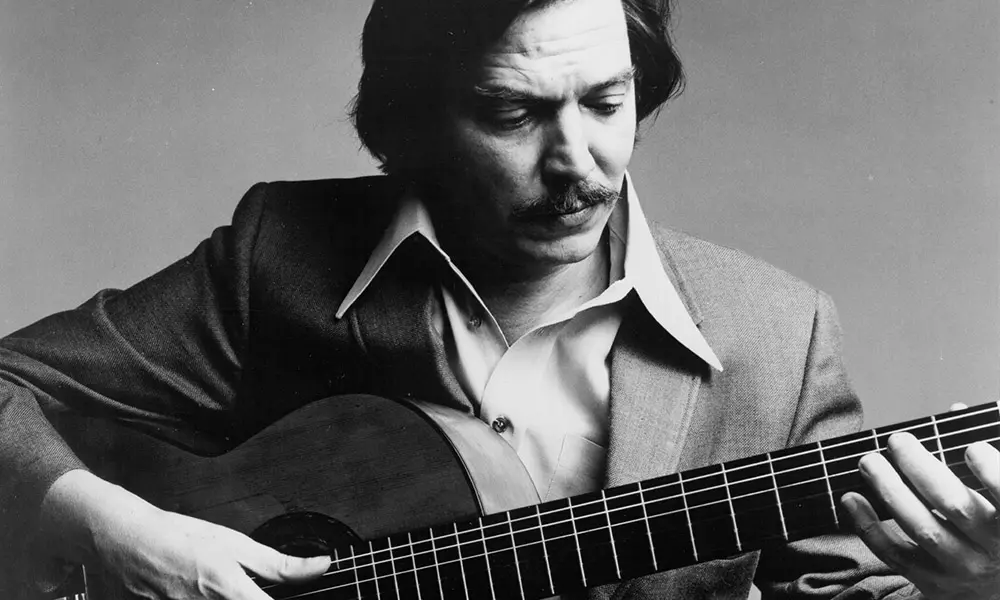
Antônio Carlos Brasileiro de Almeida Jobim, widely known as Tom Jobim, left an indelible mark on the world of music. Born on January 25, 1927, in Rio de Janeiro, Brazil, and departing on December 8, 1994, Jobim’s legacy extends far beyond his years, earning him the title of one of the great exponents of Brazilian music.
Advertisement
The Early Years
Jobim’s musical journey began in the middle-class district of Tijuca in Rio de Janeiro. Raised in a family with cultural and intellectual roots, his father, Jorge de Oliveira Jobim, was a writer, diplomat, and professor. Jobim’s mother, Nilza Brasileiro de Almeida, had indigenous roots from northeastern Brazil.
From a young age, Jobim’s life was marked by a blend of influences. His father’s encouragement and his mother’s indigenous heritage shaped his early years. The family’s move to Ipanema, a beachside neighborhood later celebrated in Jobim’s compositions, added another layer to his musical canvas.

Image Credit: All About Jazz
Tragedy struck when Jobim’s father passed away in 1935, prompting Nilza to marry Celso da Frota Pessoa. Celso provided Jobim with his first piano, sparking a lifelong passion for music. Despite initial reluctance, Jobim credits his stepfather with pushing him towards music, a decision that would shape his life.
Musical Influences and Roots
Jobim’s musical roots were deeply embedded in the work of Pixinguinha, a legendary Brazilian musician who pioneered modern Brazilian music in the 1930s. Formal training under teachers like Lúcia Branco and Hans-Joachim Koellreutter, a German composer residing in Brazil, added formal structure to his artistic expression.
In the 1940s, Jobim began playing piano in the bars and nightclubs of Rio de Janeiro. His first composition, “Incerteza,” recorded in 1953, marked the beginning of his journey as a composer. Collaborating with poet and diplomat Vinicius de Moraes, Jobim’s music gained prominence, creating the bossa nova style.
Bossa Nova and International Acclaim
Jobim’s collaboration with American jazz saxophonist Stan Getz, Brazilian singer João Gilberto, and Astrud Gilberto resulted in the groundbreaking albums “Getz/Gilberto” (1963) and “Getz/Gilberto Vol. 2” (1964). The release of “Getz/Gilberto” created a bossa nova craze in the United States, earning critical acclaim and commercial success.
The album’s single, “Garota de Ipanema” (“The Girl from Ipanema”), composed by Jobim, became one of the most recorded songs of all time. In 1965, “Getz/Gilberto” made history by winning the Grammy Award for Album of the Year, along with other prestigious awards.
Collaboration with Elis Regina
In the mid-1970s, Jobim collaborated with the formidable Brazilian singer Elis Regina. Their album, “Elis & Tom,” became an unexpected international sensation. The creative synergy between Regina and Jobim produced timeless pieces, including the iconic “Águas de Março” (“Waters of March”).
Regina and Jobim’s partnership reflected a seamless blend of rehearsal and casual conversation, creating an atmosphere of artistic symbiosis. Their work, particularly “Águas de Março,” captures the essence of their collaborative genius, with lyrics simulating a banter of finishing each other’s sentences.
Advertisement
Antônio Carlos Jobim Age
How old is Antônio Carlos Jobim? Antônio Carlos Jobim was born on January 25, 1927, and died on December 8, 1994.
Antônio Carlos Jobim Songs
Here are some notable songs of Antonio Carlos Jobim;
- Garota de Ipanema (The Girl from Ipanema)
- Perhaps Jobim’s most famous composition, this song, written in collaboration with Vinícius de Moraes, became a global hit. It has been covered by numerous artists in various languages.
- Águas de Março (Waters of March)
- A beautiful and poetic composition, this song showcases Jobim’s talent for blending intricate melodies with evocative lyrics. It has been covered in multiple languages and is considered one of his masterpieces.
- Desafinado
- Another classic bossa nova piece, “Desafinado” became widely popular after João Gilberto included it in his 1959 album. The song’s title translates to “Out of Tune” in English.
- Chega de Saudade
- Often regarded as one of the first bossa nova songs, “Chega de Saudade” was a collaboration between Jobim and poet Vinícius de Moraes. João Gilberto’s recording of the song is particularly iconic.
- Corcovado (Quiet Nights of Quiet Stars)
- A serene and contemplative piece, “Corcovado” is celebrated for its melodic beauty. Jobim’s compositions often evoke the natural wonders of Brazil, and this song is no exception.
- Wave
- The title track from Jobim’s 1967 album, “Wave” is a captivating instrumental piece that showcases Jobim’s prowess as a composer and arranger.
- Dindi
- A romantic and soulful composition, “Dindi” has been covered by various artists and is known for its tender lyrics and melody.
- Insensatez (How Insensitive)
- Jobim collaborated with Vinícius de Moraes and English lyricist Norman Gimbel to create “Insensatez,” a poignant and melancholic bossa nova classic.
Antônio Carlos Jobim Album
Here are some notable albums of Antonio Carlos Jobim;
- “The Composer of Desafinado, Plays” (1963)
- This instrumental album features Jobim playing the piano and showcases his exceptional skills as a performer and composer.
- “Getz/Gilberto” (1963)
- A groundbreaking collaboration with Stan Getz, João Gilberto, and Astrud Gilberto, this album popularized bossa nova globally. It includes the iconic “The Girl from Ipanema.”
- “Wave” (1967)
- Known for its sophisticated arrangements, “Wave” includes both instrumental tracks and vocal performances. It demonstrates Jobim’s versatility and innovative approach to music.
- “Elis & Tom” (1974)
- A collaborative effort with Brazilian singer Elis Regina, this album features Jobim’s compositions sung by Regina, creating a magical blend of their distinct talents.
- “Stone Flower” (1970)
- This album showcases Jobim’s exploration of jazz and orchestral arrangements, moving beyond the traditional bossa nova style.
- “Tide” (1970)
- Another instrumental album, “Tide” reflects Jobim’s ability to create evocative and atmospheric music.
Antônio Carlos Jobim Genre
Antonio Carlos Jobim’s genre is MPB.
Leave a Reply