

The Ripple Effect: Edward VIII’s Abdication and the Succession of Queen Elizabeth II
The abdication of Edward VIII in 1936 reverberated through the annals of British royal history, altering the trajectory of the monarchy and reshaping the line of succession.
Advertisement
The Unraveling of Events
Edward VIII’s decision to abdicate marked a pivotal moment in the British monarchy. The absence of direct heirs and the subsequent accession of his brother, George VI, set the stage for a different line of succession.
The Hypothetical Line of Succession
Had Edward VIII retained the throne and remained childless, the line of succession would have proceeded as follows:
Edward VIII
Albert (George VI)
Elizabeth (Elizabeth II)
Advertisement
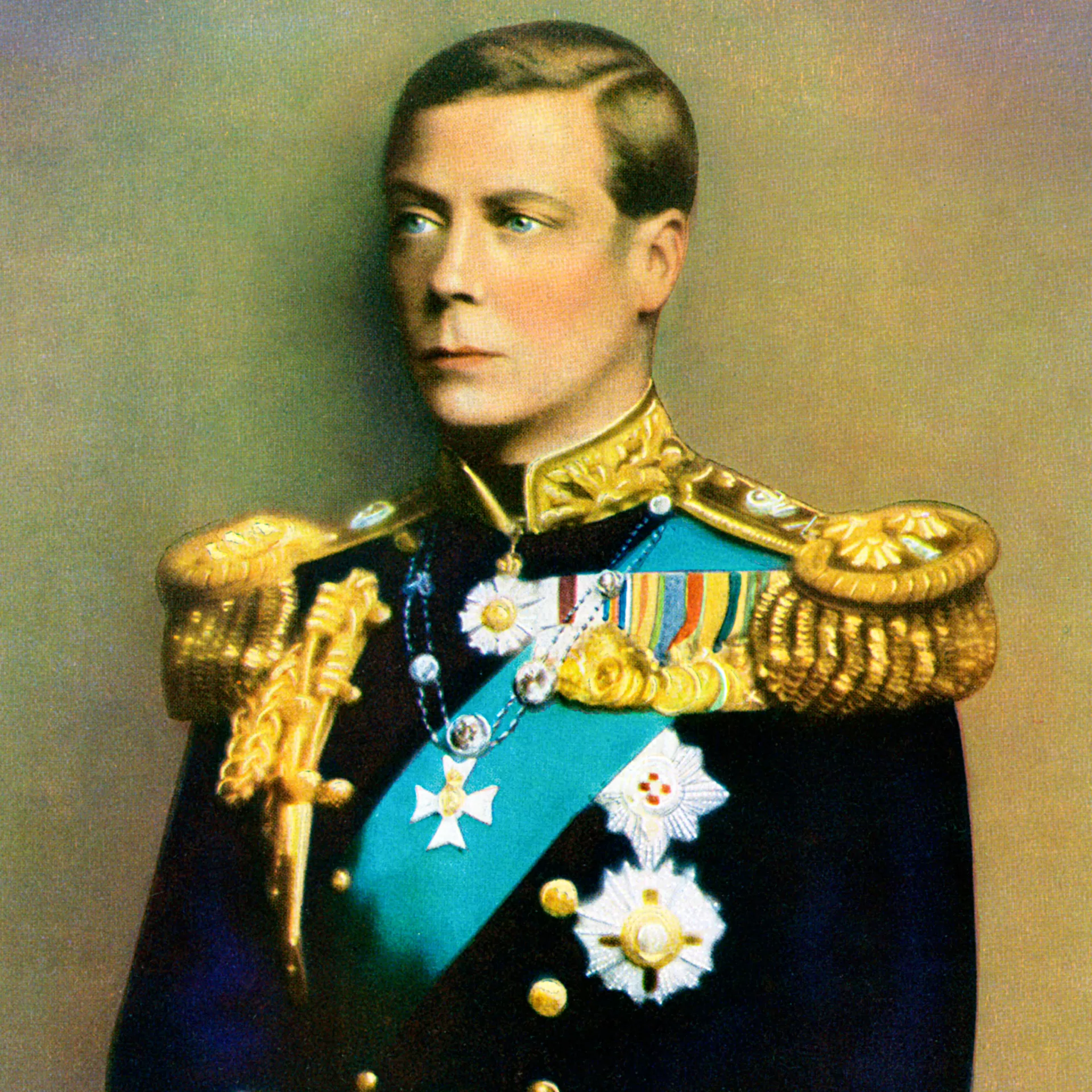
Edward VIII’s Abdication Alters the Course
However, Edward VIII’s abdication in 1936 disrupted this sequence. With George VI assuming the throne, the line of succession took a different path, leading to the eventual reign of Queen Elizabeth II.
Queen Elizabeth II
Upon the death of King George VI on February 6, 1952, Elizabeth, the eldest daughter of George VI, ascended to the throne. Her reign, which has spanned decades, is one of the longest in British history.
A Monarchy Transformed
Edward VIII’s abdication set in motion a series of events that shaped the modern British monarchy.
The reign of Queen Elizabeth II, her role as a symbol of continuity, and the evolution of the monarchy have been profoundly influenced by the decisions made during the abdication crisis.
Leave a Reply