
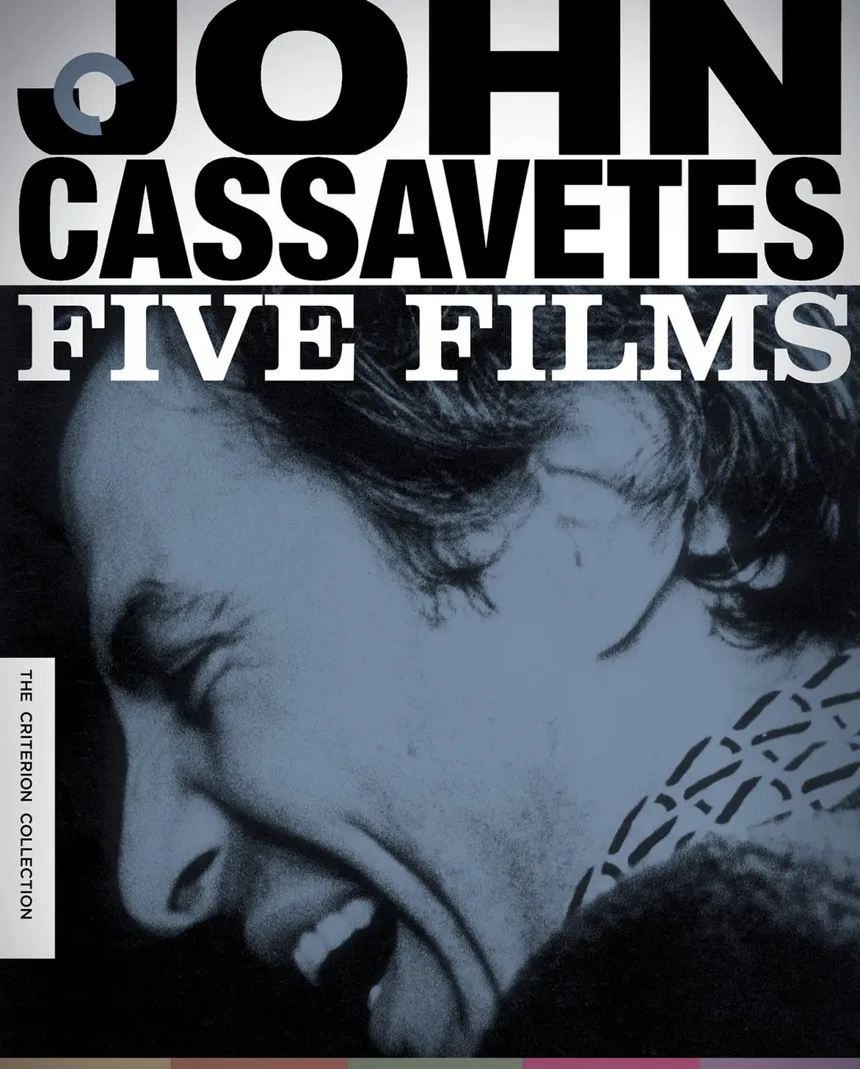
- John Cassavetes is celebrated as the father of independent cinema, known for his innovative storytelling and deeply emotional character studies.
- His films often featured improvisation and raw performances, challenging traditional Hollywood norms and emphasizing authentic human experiences.
- Cassavetes received critical acclaim throughout his career, earning several Academy Award nominations but never winning an Oscar.
- His legacy continues to influence filmmakers today, with his work often cited as a foundational element of modern independent filmmaking.
The Pioneer of Independent Cinema
John Cassavetes, born on December 9, 1929, is widely regarded as the father of American independent cinema. His groundbreaking approach to filmmaking, characterized by a focus on character-driven narratives and emotional authenticity, set him apart from his contemporaries.
Advertisement
Cassavetes believed that cinema should reflect the complexities of human relationships and emotions, a vision that he pursued relentlessly throughout his career.
His debut film, Shadows (1959), was a landmark in independent filmmaking, showcasing a raw and improvisational style that would become his trademark.
Shot on a modest budget with a group of friends, Shadows explored themes of race and identity in America, paving the way for future independent filmmakers to tell authentic stories outside the constraints of the studio system.

Photo via MUBI
Innovative Storytelling and Character Depth
Cassavetes’ films are known for their emotional depth and complex characters. He often collaborated with his wife, actress Gena Rowlands, who delivered powerful performances in many of his films, including A Woman Under the Influence (1974) and Gloria (1980). His characters are often flawed and vulnerable, reflecting the struggles of everyday life.
Advertisement
The improvisational nature of his filmmaking allowed actors to explore their characters in a way that felt organic and true to life. Cassavetes’ commitment to authenticity resulted in performances that resonated deeply with audiences.
His films often featured long takes, handheld camerawork, and a focus on dialogue that captured the nuances of human interaction.
Academy Award Nominations but No Wins
Throughout his career, John Cassavetes received critical acclaim and several prestigious accolades.
He was nominated for three Academy Awards: Best Original Screenplay for Faces (1968) and A Woman Under the Influence, and Best Supporting Actor for his role in The Dirty Dozen (1967). Despite these nominations, Cassavetes never won an Oscar, a fact that many critics and fans consider a significant oversight in the history of cinema.
Cassavetes’ films often challenged the mainstream Hollywood narrative, which may have contributed to his lack of recognition by the Academy.
John Cassavetes died on February 3, 1989, but his impact on the film industry continues to be felt today.
His pioneering work laid the groundwork for a new generation of filmmakers who sought to tell authentic stories outside the traditional studio system.
Directors like Martin Scorsese, Quentin Tarantino, and Richard Linklater have cited Cassavetes as a significant influence on their work.
The themes of love, loss, and the topsy-turvy nature of human relationships that Cassavetes explored in his films remain relevant, inspiring filmmakers to push the boundaries of storytelling.
His commitment to character-driven narratives and emotional truth has made him a lasting figure in the world of cinema.
Leave a Reply