
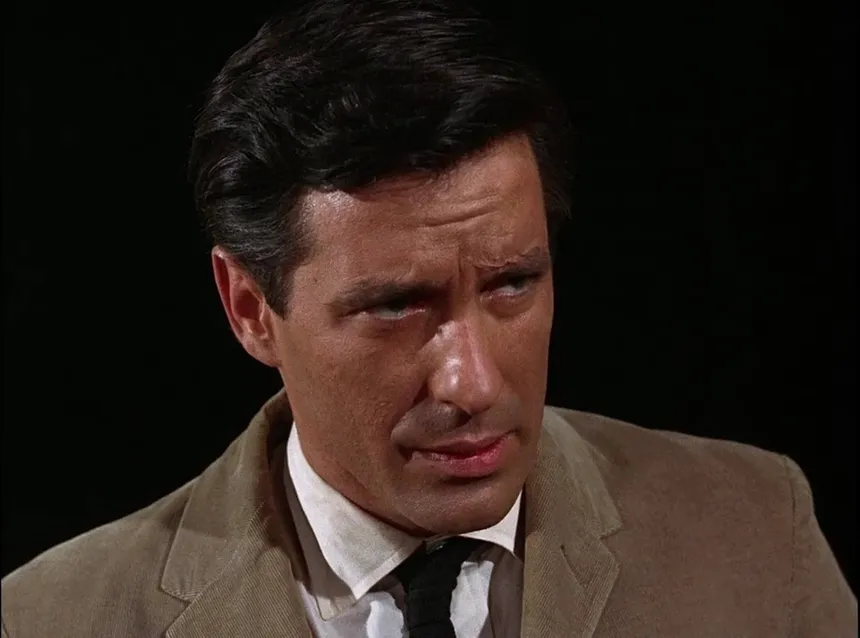
- Pioneer of Independent Cinema: Cassavetes is credited with helping to establish the independent film movement in America, creating films that prioritized personal storytelling over commercial viability.
- Innovative Filmmaking Style: Known for his improvisational techniques and a focus on “small emotions,” Cassavetes rejected traditional Hollywood storytelling, opting instead for a more raw and realistic portrayal of human relationships.
- Notable Works: His most acclaimed films, including “Shadows,” “A Woman Under the Influence,” and “Faces,” showcase his unique approach to filmmaking and have garnered critical acclaim, influencing generations of filmmakers.
- Legacy and Influence: Cassavetes’ work has inspired countless directors and actors, earning him a reputation as a “director’s director.”
John Cassavetes is often hailed as a pioneer of American independent cinema, known for his innovative approach to filmmaking that emphasized character depth and emotional authenticity.
Advertisement
Pioneer of Independent Cinema
John Cassavetes was instrumental in the development of independent cinema in the United States. In an era dominated by studio productions, he sought to create films that reflected real-life experiences and emotions.
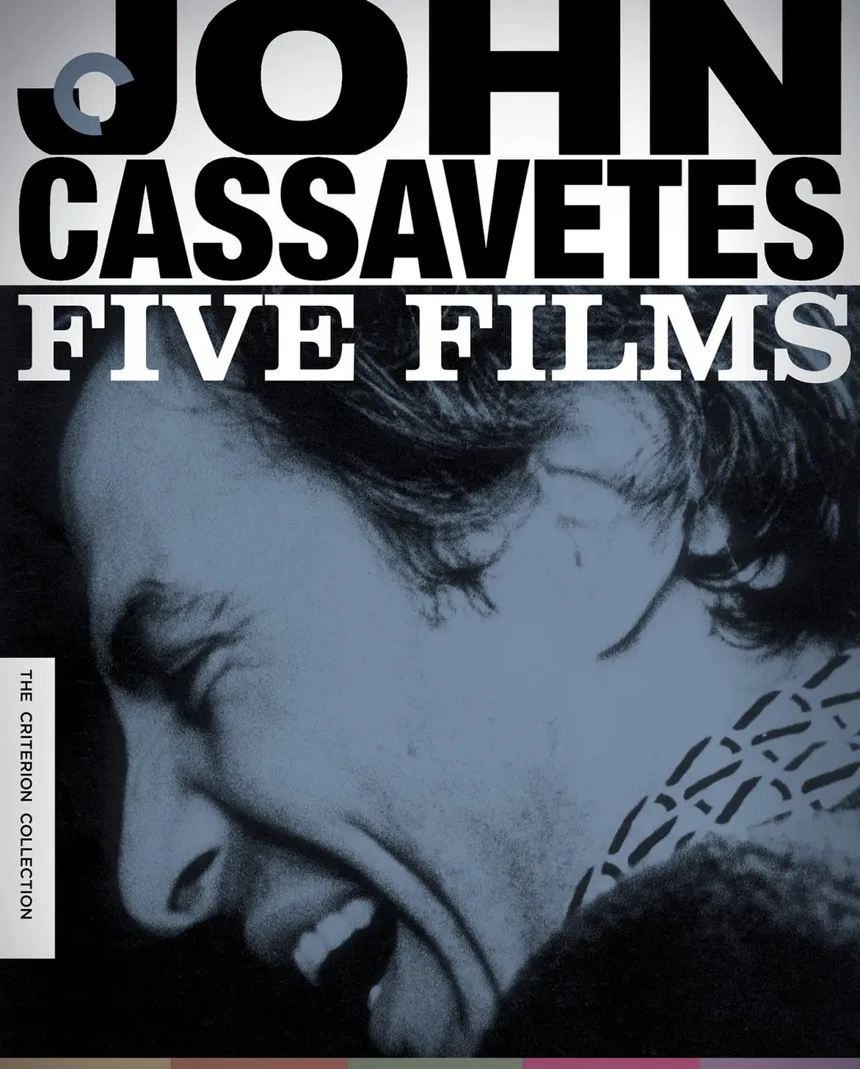
His first feature, “Shadows” (1959), was born out of an acting workshop and was made with a modest budget. The film’s success demonstrated that personal, character-driven stories could resonate with audiences, paving the way for future independent filmmakers.
Advertisement
Cassavetes often financed his films through his acting work, allowing him to maintain creative control and avoid the constraints of the Hollywood system. This independence became a hallmark of his career, as he prioritized artistic expression over commercial success.
Innovative Filmmaking Style
Cassavetes’ filmmaking style is characterized by its improvisational nature and focus on character relationships.
He believed that traditional narrative structures often failed to capture the complexities of human emotions. Instead, he aimed to portray the “small feelings” that define everyday life, creating films that feel authentic and relatable.
His use of improvisation allowed actors to explore their characters more deeply, leading to performances that were raw and genuine. This approach is evident in films like “A Woman Under the Influence” (1974), where Gena Rowlands’ portrayal of a mentally unstable woman earned her an Academy Award nomination and remains one of the most iconic performances in cinema history.
Notable Works
Cassavetes directed several critically acclaimed films that have become classics in the independent film canon.
“Faces” (1968) explores the disintegration of a marriage through a series of intimate and often uncomfortable interactions. “Husbands” (1970) examines male friendship and the complexities of masculinity, while “Opening Night” (1977) delves into the psychological struggles of an actress facing the pressures of fame.
His films often featured his wife, Gena Rowlands, and frequent collaborators like Peter Falk and Ben Gazzara, creating a tight-knit ensemble that contributed to the authenticity of his work.
Each film challenged conventional storytelling and pushed the boundaries of cinematic expression.
Leave a Reply