
In the world of video editing and documentary filmmaking, there’s a technique that’s become synonymous with bringing still photographs to life: the Ken Burns Effect. Named after the acclaimed documentary filmmaker Ken Burns, this effect has revolutionized the way we experience visual storytelling on screen.
Advertisement
Formerly known as animantics, the Ken Burns Effect involves the application of animated transitions to still photographs. This technique allows filmmakers to pan, zoom, and add motion to static images, creating a sense of movement and depth that enhances the storytelling experience.
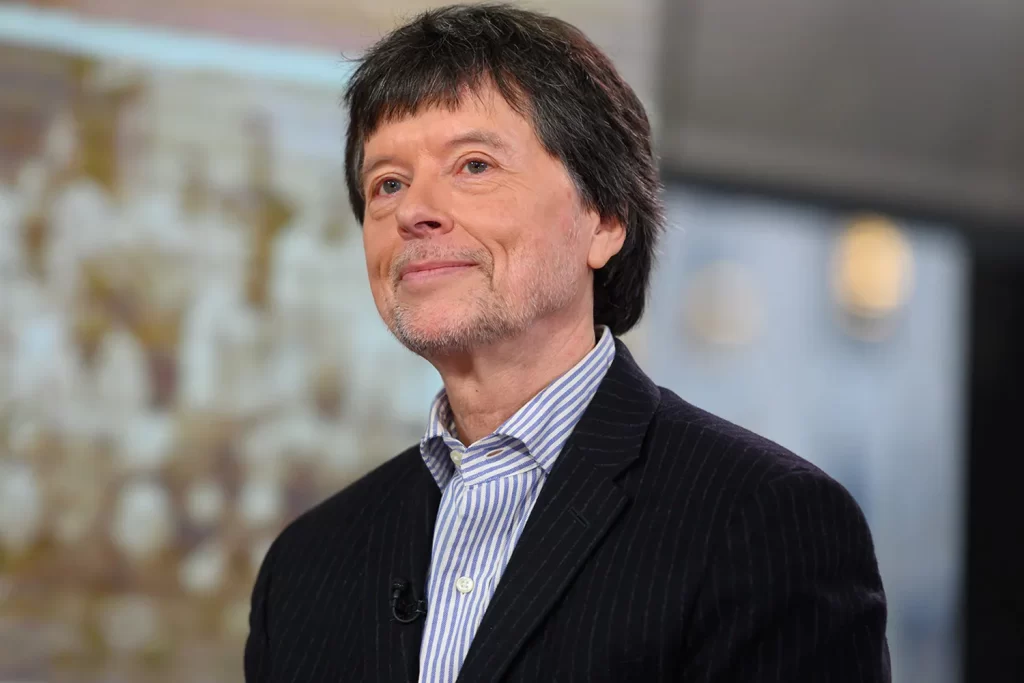
So, why is it called the Ken Burns Effect?
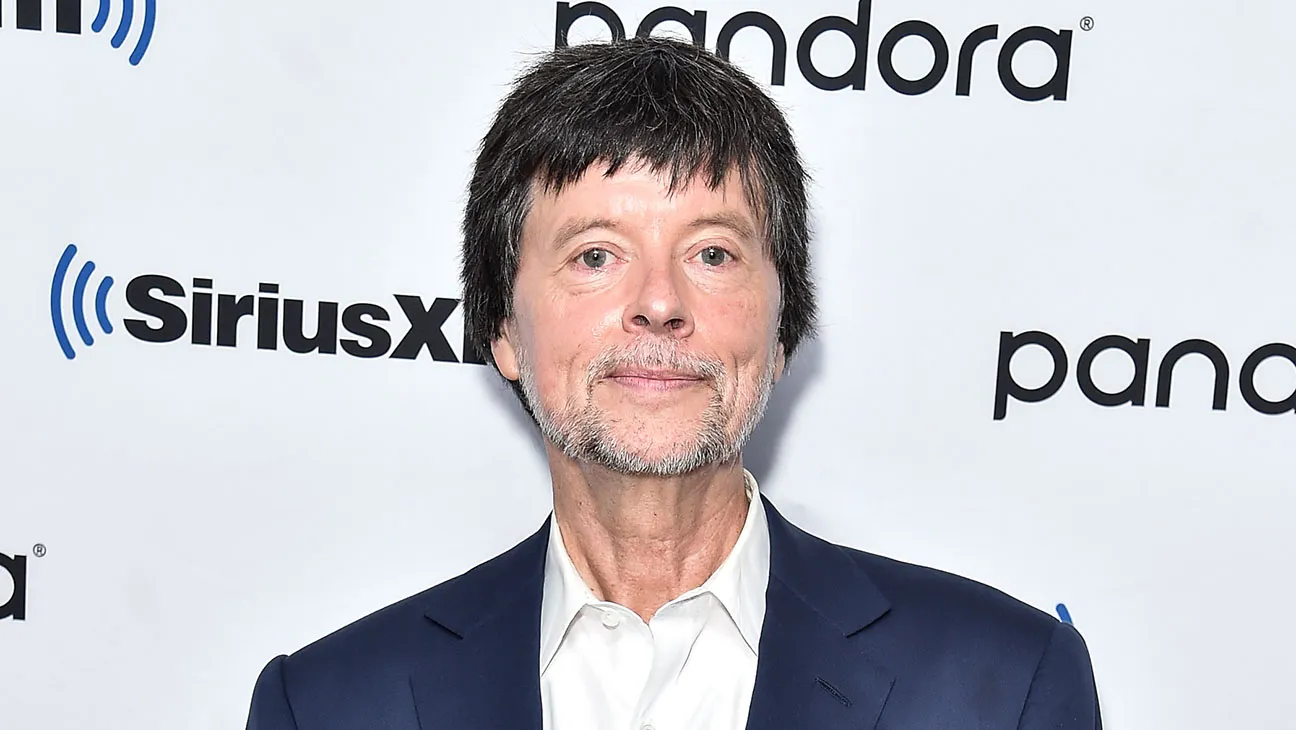
The answer lies in the remarkable career of Ken Burns himself. Born on July 29, 1953, in Brooklyn, New York, Burns has become renowned for his distinctive style of documentary filmmaking, characterized by immersive storytelling, meticulous research, and evocative visuals.
Throughout his career, Burns has produced a wide range of acclaimed documentaries, tackling subjects ranging from the Civil War and baseball to jazz and the national parks. But it was his innovative use of still photographs in his films that truly set him apart as a filmmaker.
Advertisement
Burns’ documentaries often feature a wealth of archival photographs, which he brings to life using the Ken Burns Effect. By panning and zooming across these images, Burns creates a sense of movement and dynamism that draws viewers into the world of the film. Combined with his signature voiceover narration and emotive musical score, the Ken Burns Effect has become a hallmark of his filmmaking style.
Over the years, the application of animated transitions to still photographs has become so closely associated with Ken Burns personally that it’s now commonly referred to as the Ken Burns Effect in video editing software suites and filmmaking circles alike. The effect has become an essential tool for filmmakers looking to add depth and dimension to their visual storytelling, and its influence can be seen across a wide range of genres and mediums.
But beyond its technical application, the Ken Burns Effect also serves as a tribute to Burns’ lasting impact on the world of documentary filmmaking. By bringing still images to life in such a compelling and immersive way, Burns has helped to preserve and illuminate our collective history for future generations.
Leave a Reply