

In the mesmerizing dance of celestial bodies and the rhythm of lunar cycles, the Chinese New Year unfolds as a radiant celebration, with its timing delicately choreographed by the cosmos. As we eagerly await the festivities on Saturday, February 10, 2024, the question arises: Why is Chinese New Year celebrated in February, and what cosmic ballet determines this celestial timing?
Advertisement
The Lunar Calendar: A Celestial Symphony
Also Called: Spring Festival, Lunar New Year
The Chinese New Year, deeply rooted in the lunisolar Chinese calendar, follows a unique rhythmic pattern governed by the moon’s cycles. The festival commences with the first new moon of the lunar calendar, signifying the initiation of a fresh lunar cycle. This cosmic connection adds a touch of mystique to the celebration, and here’s why February becomes the stage for this celestial extravaganza.
Advertisement
1. Lunar Cycles Dictate Dates:
- Unlike the Gregorian calendar we commonly use, the Chinese calendar’s foundation lies in the ebb and flow of lunar cycles. Each lunar month begins with the new moon, leading to a varying alignment with the solar calendar.
2. Late January to Mid-February Variance:
- Due to the lunar calendar’s dependence on the moon’s cycles, the Chinese New Year shifts slightly each year. The celebration gracefully weaves its way through late January to mid-February, an ever-changing celestial spectacle.
3. Cosmic Alignment: The Eve of Lunar New Year:
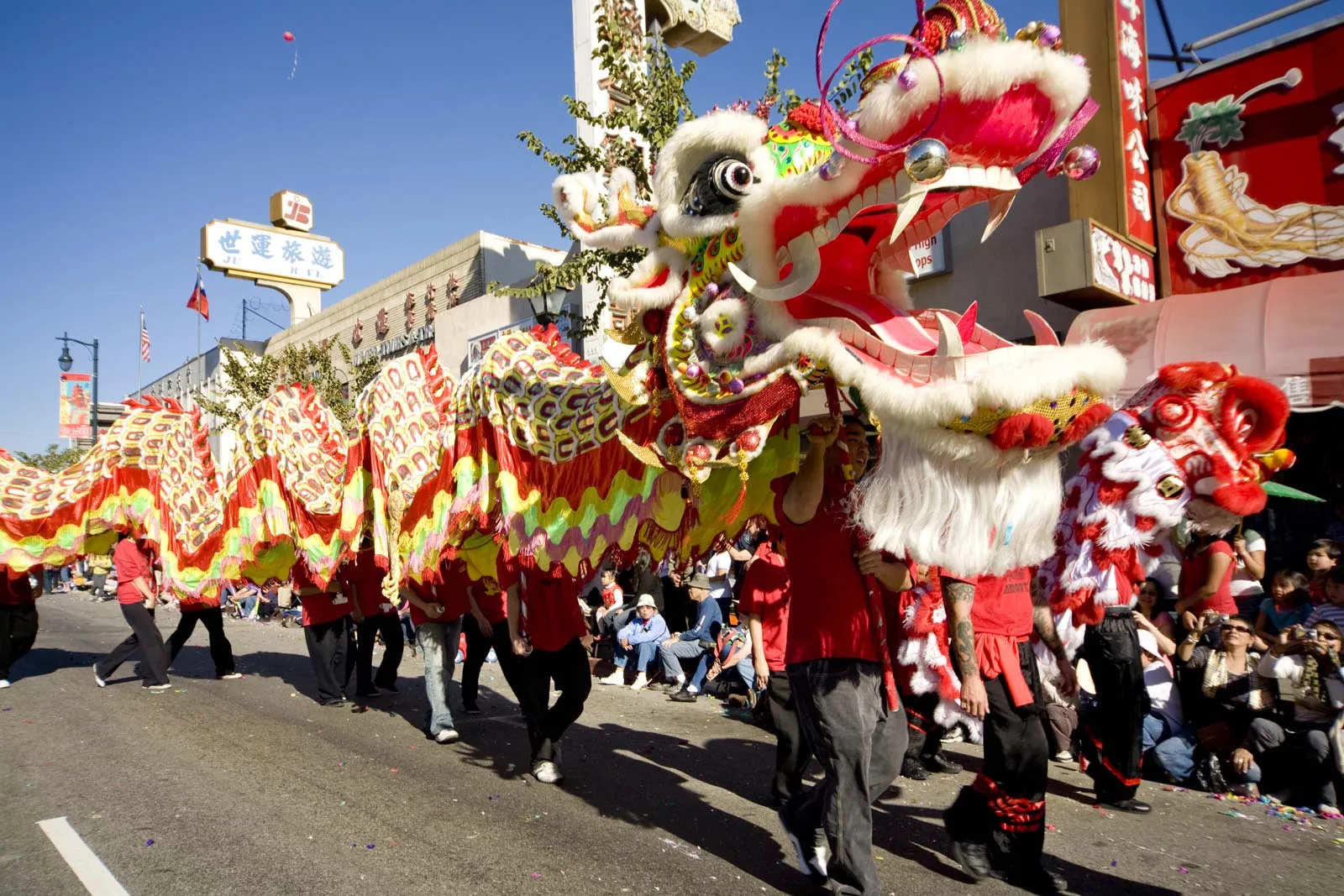
- A spectacular moment unfolds on the eve of the Lunar New Year, symbolizing the transition into the next lunar phase. People gather to witness the enchanting dance of a giant dragon figure in parks, marking the commencement of the celebration.
4. A Tapestry of Celestial Celebrations:
- This cosmic alignment doesn’t just govern the timing of Chinese New Year; it also ties the festival to neighboring cultures. The Lunar New Year, known as Tet in Vietnam and Seollal in Korea, reflects a shared celebration of lunar rhythms and cultural traditions.
Navigating the Celestial Calendar
As we revel in the vibrant festivities of Chinese New Year on this February day, it becomes clear that the celebration’s timing is not arbitrary but intricately woven into the celestial fabric. The lunar calendar, with its ever-shifting phases, invites us to partake in a cosmic dance—an annual spectacle that transcends time and space, inviting us to marvel at the celestial ballet that determines the auspicious timing of Chinese New Year in the enchanting month of February.
Leave a Reply