

The Abdication Crisis: Why Edward VIII Couldn’t Marry Wallis Simpson
The love story between Edward VIII and Wallis Simpson is one of the most talked-about chapters in British royal history, marked by societal opposition, political turmoil, and a voluntary abdication.
Advertisement
Social and Political Opposition
The prospect of King Edward VIII marrying Wallis Simpson was met with fierce opposition from multiple quarters. The British government, the Church of England, and the royal family were resolutely against the union.
Prime Minister Winston Churchill, among others, warned Edward of an impending crisis should he proceed with the marriage. The societal norms of the time, coupled with Wallis’s status as a twice-divorced American, fueled this opposition.
Advertisement
Constitutional Constraints
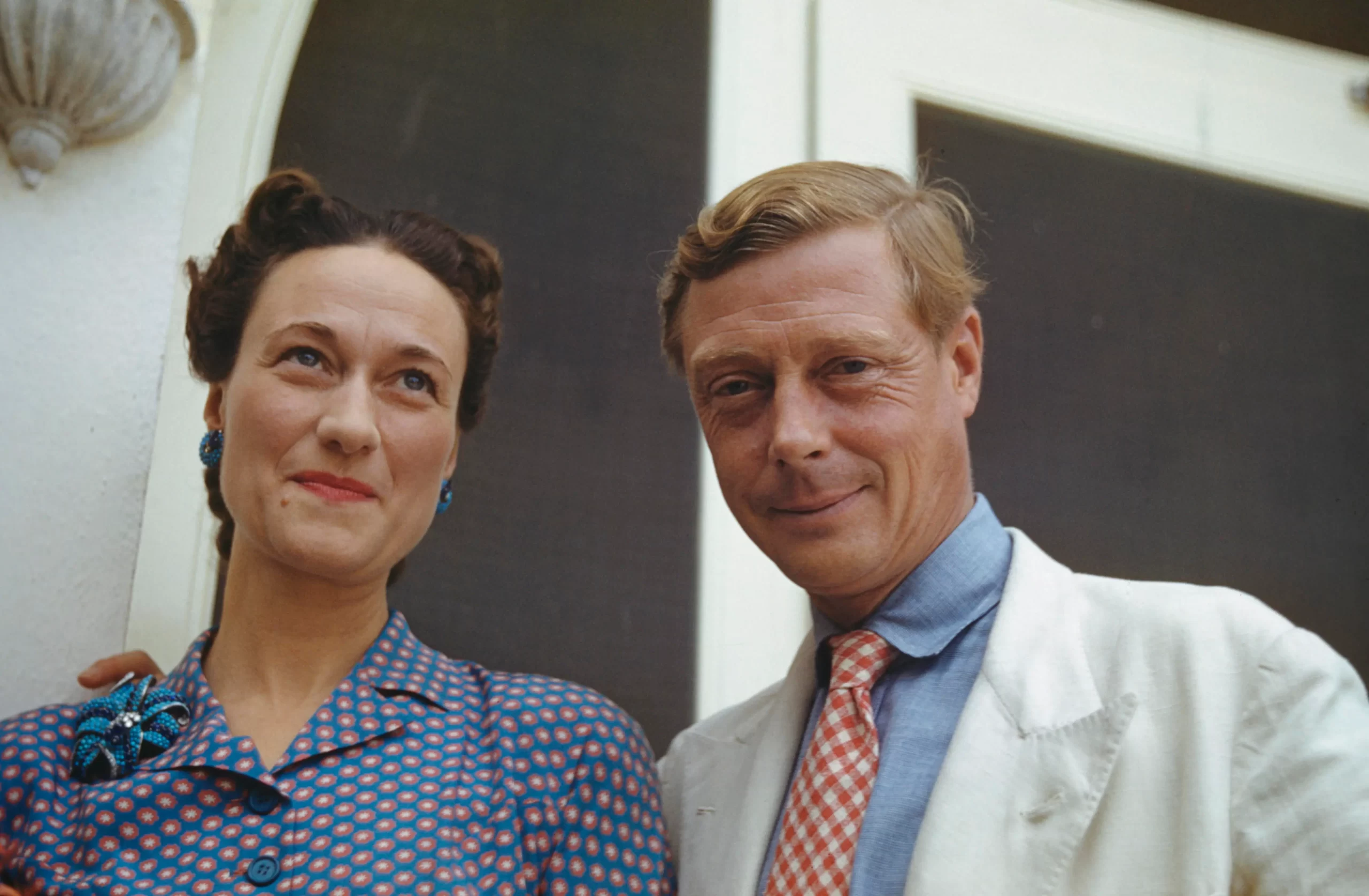
While there were no legal obstacles preventing Edward from marrying Wallis, the constitutional implications were significant. Such a marriage would have precipitated a political crisis, potentially leading to the resignation of government officials.
The delicate balance of power and the integral role of the monarchy in British governance made this a sensitive issue.
The Threat of Abdication
Faced with mounting opposition and the realization that marrying Wallis would cost him the throne, Edward VIII grappled with a profound decision.
In December 1936, he made history as the only British sovereign to voluntarily abdicate the throne. The desire to marry Wallis eclipsed his position as king, and he chose love over the crown.
The Duke and Duchess of Windsor
Following the abdication, Edward and Wallis assumed the titles of Duke and Duchess of Windsor. They embarked on a life of exile, residing primarily in Paris and the south of France.
Leave a Reply