

As the vibrant hues of red lanterns and the rhythmic beats of drums herald the arrival of the Chinese New Year, the world prepares to embrace the Spring Festival on Saturday, February 10, 2024. This festive occasion, also known as Lunar New Year, is deeply rooted in history and tradition, captivating millions across the globe. In this article, we unravel the origins of the Chinese New Year, tracing its roots to ancient times, and explore the diverse countries that join in the joyous celebrations.
Advertisement
Advertisement
- Establishment of the Chinese Calendar “Year” in the Zhou Dynasty:
The concept of the Chinese New Year, rooted in the lunisolar Chinese calendar, dates back to the Zhou Dynasty (1046–256 BC). During this period, the term “Nian” first emerged, marking the beginning of a cultural and agricultural custom. It became a tradition to offer sacrifices to ancestors, worship nature, and seek blessings for bountiful harvests as the new year unfolded.
- Nian: A Symbolic Tradition:
The term “Nian” holds profound significance in Chinese culture. Beyond its literal translation as “year,” it symbolizes the essence of transition, renewal, and the cyclical nature of life. The observance of Nian evolved into what we now recognize as the Chinese New Year, a festival deeply embedded in cultural and spiritual practices.
- Lunar New Year Celebrations Across Asian Countries:
The Lunar New Year, synonymous with the Spring Festival in China, extends its celebratory embrace across several Asian countries. Vietnam commemorates the festival as Tet, while Korea revels in the festivities of Seollal. The shared essence of the Lunar New Year transcends borders, fostering a sense of unity and cultural interconnectedness.
- Global Recognition and Festive Extravaganza:
Today, Chinese New Year has transcended geographical boundaries, earning recognition and participation on a global scale. Cities around the world, from London to Sydney, light up with traditional decorations, parades, and cultural events, showcasing the universal appeal of this cherished celebration.
- Cultural Significance and Symbolism:
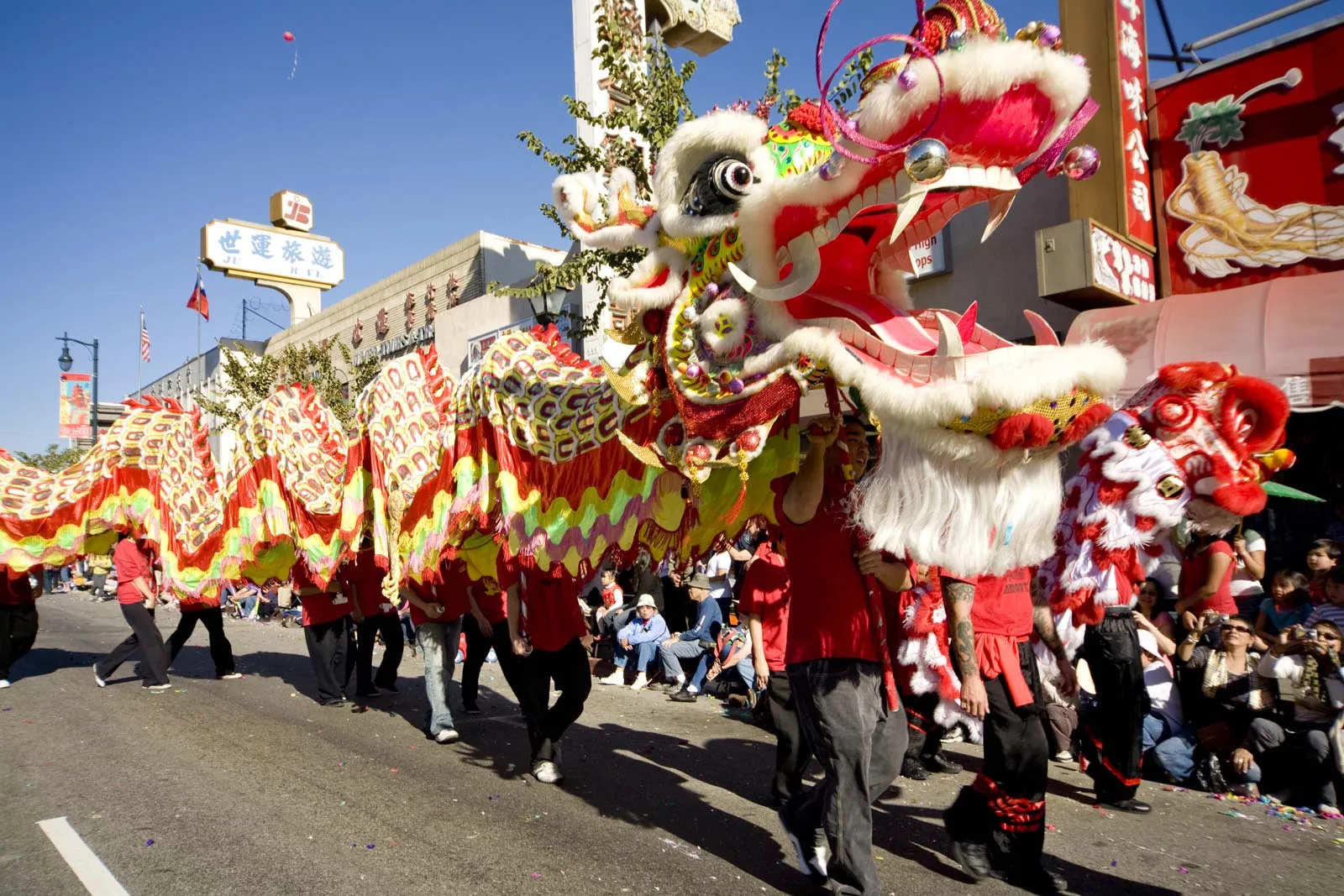
Chinese New Year represents more than just the passage of time; it is a tapestry of cultural symbols and traditions. From the iconic red envelopes symbolizing good luck to the dragon and lion dances signifying prosperity and warding off evil spirits, every aspect of the celebration carries profound meanings deeply rooted in Chinese folklore.
A Tapestry of Timeless Traditions
As we eagerly anticipate the dawn of the Year of the Dragon, it’s essential to reflect on the rich tapestry of Chinese New Year traditions that have endured for centuries. From its humble origins in the Zhou Dynasty to its widespread celebration across diverse cultures today, Chinese New Year is a testament to the resilience of tradition and the shared human desire for renewal, prosperity, and cultural unity. So, as the world joins in the festivities, let us revel in the vibrancy of Lunar New Year, honoring the ancient roots that bind us all in a celebration of life, family, and hope for the future.
Leave a Reply