

In the dynamic world of smartphones, users are often confronted with the perennial question of durability. As two major players in the industry, Samsung and Xiaomi each bring their strengths to the table. In this exploration, we aim to decipher which brand stands the test of time, answering the query: “Which lasts longer – Samsung or Xiaomi?”
Advertisement
Xiaomi and Samsung: A Brief Overview
Xiaomi Corporation, a prominent Chinese electronics manufacturer, has become the world’s second-largest smartphone producer, thanks to its commitment to innovation and a diverse product lineup. Xiaomi’s smartphones, renowned for their affordability and cutting-edge features, predominantly run on the MIUI (now HyperOS) operating system, a customized iteration of Android.
On the other side of the spectrum, Samsung, the global smartphone giant, sits at the forefront as the largest smartphone manufacturer worldwide. Samsung’s devices, characterized by sleek design and advanced technology, have garnered a loyal following. The battle for longevity between Xiaomi and Samsung demands careful consideration of various factors.
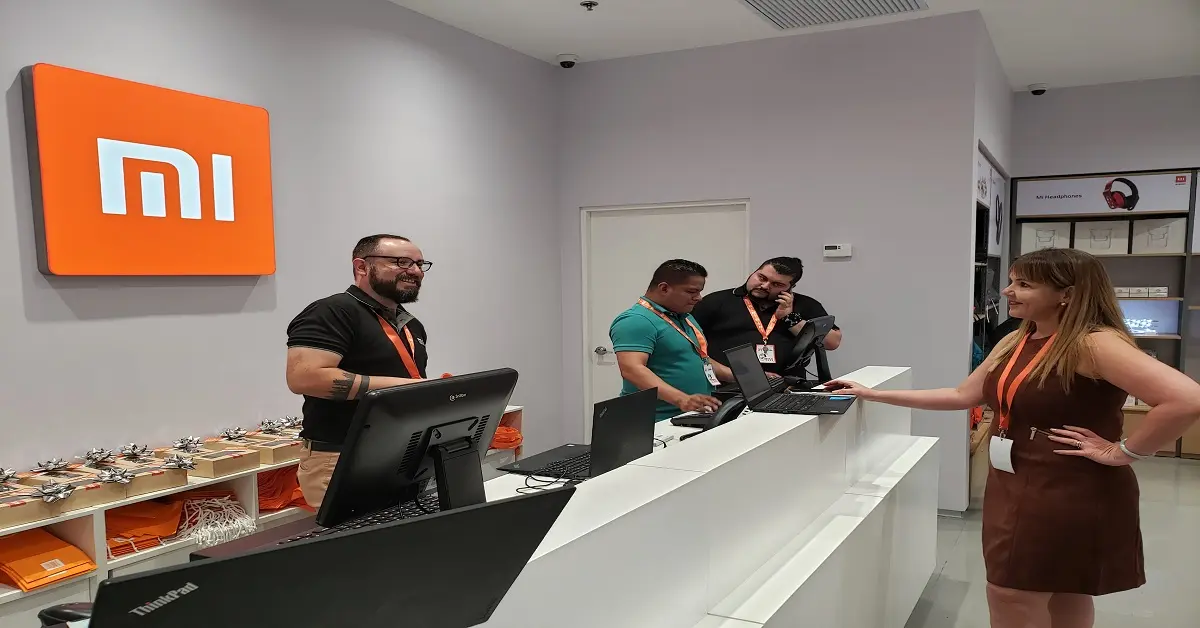
Analyzing the Differences: Samsung vs. Xiaomi
To assess the longevity of smartphones from both brands, it’s essential to consider various aspects, including build quality, software support, and overall device performance.
1. Build Quality:
- Samsung has long been recognized for its commitment to premium build quality, utilizing high-end materials and meticulous craftsmanship in its smartphones.
- Xiaomi, while offering well-built devices, may face challenges in surpassing the durability standards set by Samsung.
2. Software Support:
Advertisement
- Samsung has a robust track record of providing extended software support for its devices, ensuring users receive regular updates and security patches over an extended period.
- Xiaomi, although making strides in this area, may not match the extensive software support offered by Samsung.
3. Overall Performance:
- Samsung’s focus on optimizing hardware and software integration contributes to a smooth and efficient user experience, potentially extending the device’s lifespan.
- Xiaomi’s emphasis on affordability and feature-rich devices may excel in certain aspects but might face challenges in consistently delivering long-term performance.
The Verdict: Samsung’s Longevity Advantage
After a comprehensive analysis of the differences between Xiaomi and Samsung, it becomes evident that Samsung holds an edge in several critical aspects. Samsung’s commitment to superior build quality, extensive software support, and overall performance contributes to the perception that Samsung phones tend to last longer.
While Xiaomi competes admirably and offers compelling devices, Samsung’s established reputation for durability and longevity places it ahead in the race. As users navigate the myriad options in the smartphone market, they can find confidence in Samsung’s track record of providing devices that stand the test of time.
The choice between Samsung and Xiaomi ultimately depends on individual preferences, budget considerations, and specific feature requirements. While both brands bring innovation to the table, Samsung’s enduring legacy in the smartphone industry positions it as a reliable choice for those seeking a device that lasts not only for the moment but also for the long haul.
Leave a Reply