

George Takei, the distinguished American actor, author, and activist renowned for his iconic role as Hikaru Sulu in the Star Trek franchise, has not only graced screens with his talent but has also emerged as a powerful advocate for social justice. In this article, we delve into a poignant chapter of George Takei’s life—one that he describes as forever burned into his memory—the heart-wrenching scene of his family’s forced relocation to Japanese internment camps during World War II.
Advertisement
A Childhood Marked by Injustice:
Born on April 20, 1937, in Boyle Heights, Los Angeles, California, George Takei’s early years were marred by the discriminatory policies of the U.S. government during World War II. George and his family, of Japanese American descent, were unjustly subjected to internment camps following the attack on Pearl Harbor. Despite being American citizens, they were forcibly removed from their homes and detained in these camps, an indelible mark of racial prejudice and fear.
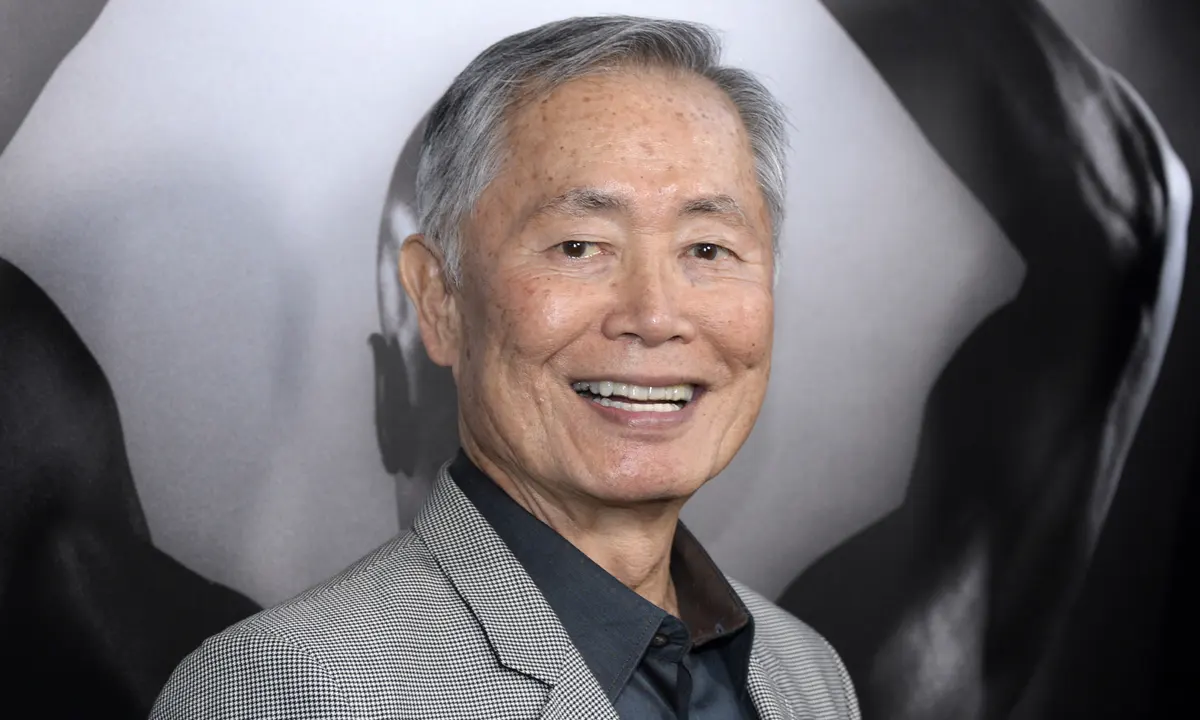
The Scene Forever Burned into George Takei’s Memory:
George Takei often recounts a specific scene from that dark period, one that he describes as being forever burned into his memory. It is the haunting image of him and his brother standing outside with their meager luggage, waiting for their mother to join them. The significance of this moment lies not only in the physical separation from their home but in the emotional toll it took on a family torn apart by the actions of their government.
Advertisement
The Unjust Internment of Japanese Americans:
The forced internment of Japanese Americans during World War II is a shameful chapter in American history. More than 120,000 Japanese Americans, two-thirds of whom were U.S. citizens, were subjected to this unjust treatment based on their ancestry. It is a stark reminder of the systemic racism that prevailed during that time, as well as the resilience and strength exhibited by those who endured such injustice.
George Takei’s Advocacy and Resilience:
In the years that followed, George Takei emerged not only as a successful actor but also as a passionate advocate for civil rights. He uses his platform to raise awareness about the injustices faced by Japanese Americans during World War II, promoting understanding and empathy. Takei’s advocacy work extends beyond his personal experiences, addressing broader issues of equality and justice.
The scene of George Takei and his family being sent to Japanese internment camps is a poignant reminder of a dark chapter in American history—one that should never be forgotten. George Takei’s courage in sharing this painful memory reflects his commitment to truth, justice, and the importance of confronting the past to build a more equitable future. As we remember this scene burned into his memory, we are compelled not only to acknowledge historical injustices but to work collectively toward a society that rejects discrimination and upholds the principles of justice and equality for all.
Leave a Reply