

Popular Nigerian crossdresser James Brown has expressed deep concern for the safety of his fellow crossdressers following the tragic death of his colleague, Abuja Area Mama, who was found dead by the roadside on Thursday morning (August 8, 2024).
Advertisement
The shocking news has sent ripples of fear and anxiety through the crossdressing community, prompting Brown to issue a heartfelt plea for caution.
In a video message shared on social media, James Brown reacted to the devastating loss, urging his colleagues to prioritize their safety. He revealed that he has become increasingly cautious about crossdressing in public due to the risks involved, choosing instead to limit his appearances to content creation on social media and private events.
“Safety is the most important thing,” Brown stated in the video. “I know the dangers that come with being a crossdresser in Nigeria, and that’s why I hardly step out in public in full crossdress. It’s not worth the risk, especially in a country where many still don’t understand or accept us.”
He continued by advising fellow crossdressers, particularly those involved in nightlife, to be vigilant and take every possible precaution. “If you’re doing night work or going out late, be very careful. We need to look out for ourselves because it’s clear that not everyone out there has our best interests at heart.”
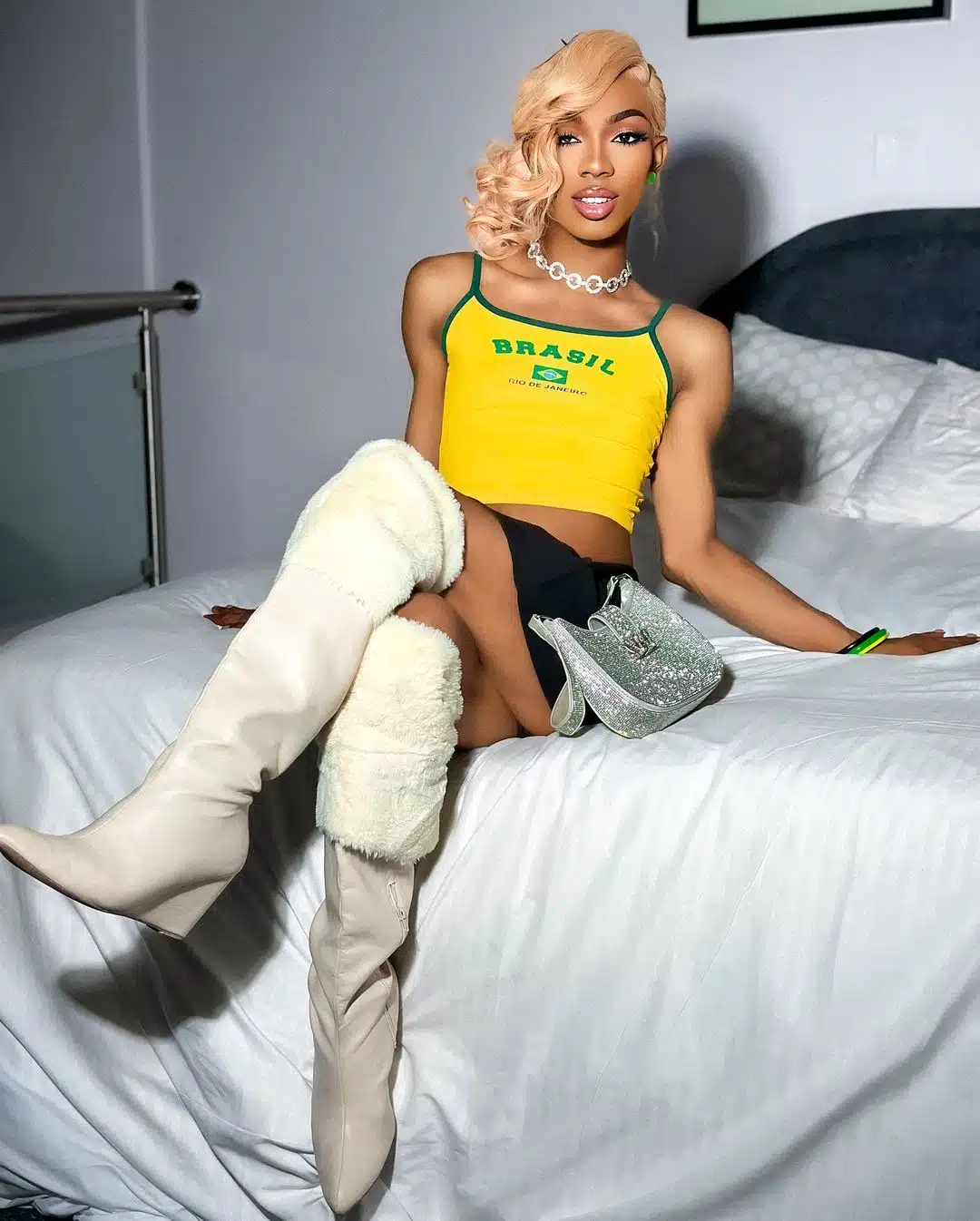
James Brown also acknowledged the challenges of being a public figure in the crossdressing community, noting that increased visibility can sometimes lead to unwanted attention and danger. He urged others to consider the risks and to always put their safety first.
Watch the video below to hear James Brown’s full message;
Advertisement
View this post on Instagram
Who is a Cross-dresser and How Did it Gain Ground in Nigeria?
A cross-dresser is an individual who wears clothing typically associated with the opposite gender. This practice can be motivated by various reasons, including personal expression, comfort, or performance.
Cross-dressing does not inherently indicate a person’s sexual orientation or gender identity; many cross-dressers identify as heterosexual and may dress in clothing associated with the opposite sex for reasons unrelated to sexual attraction.
Cross-Dressing in Nigeria
In Nigeria, cross-dressing has gained visibility and sparked discussions around gender identity and expression, particularly in urban areas. The phenomenon has been influenced by various factors:
Cultural Context: Traditional gender roles in Nigeria are often rigid, with specific expectations for how men and women should dress and behave. However, cross-dressing challenges these norms, leading to both acceptance and backlash.
Media Influence: The rise of social media platforms has allowed cross-dressers to showcase their identities and lifestyles, garnering large followings. Notable figures, such as Bobrisky, have become prominent in Nigerian pop culture, influencing perceptions of cross-dressing and gender expression.
Legal and Social Challenges: Despite the growing visibility, cross-dressers in Nigeria often face discrimination, harassment, and legal challenges. The country’s laws and cultural attitudes towards LGBTQ+ individuals can create a hostile environment for those who do not conform to traditional gender norms.
Art and Entertainment: Cross-dressing has also found a place in Nigerian entertainment, particularly in comedy and performance arts. Many entertainers use cross-dressing as a form of satire or humor, which can both challenge and reinforce societal norms.
Leave a Reply