
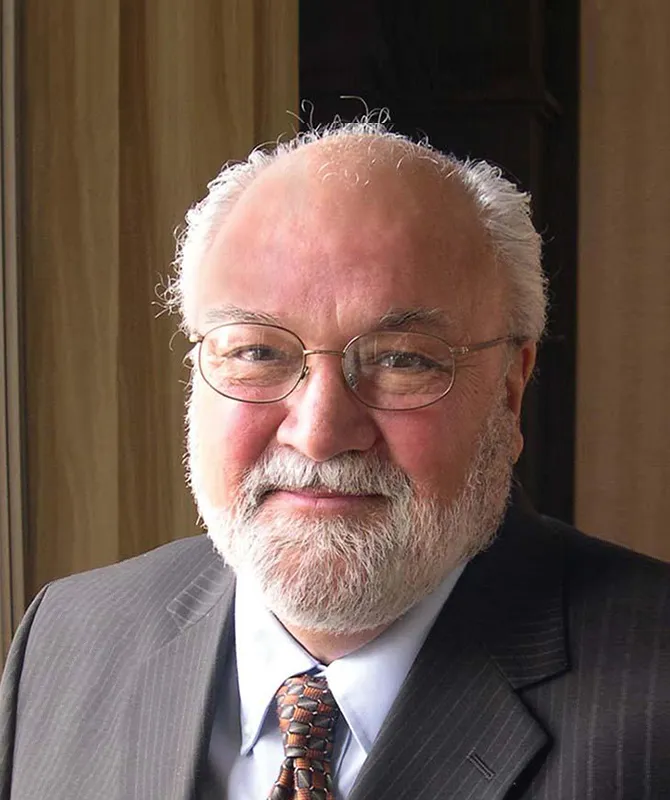
- George Latimer, St. Paul’s longest-serving mayor, died at 89 after guiding the city through transformative years from 1976 to 1990.
- Latimer, a charismatic leader known for his approachable nature, played a pivotal role in downtown revitalization and major projects like District Energy.
- His tenure included significant urban development and challenges, such as managing demographic changes and ambitious but sometimes controversial initiatives.
- After his mayoral career, Latimer continued to impact urban policy and education.
George Latimer, St. Paul’s longest-serving mayor who guided the city through a period of dramatic transformation, has died at the age of 89.
Advertisement
Latimer, who served from 1976 to 1990, was a beloved figure in Minnesota politics, known for his impactful leadership and dedication to public service.
Latimer’s tenure as mayor was marked by a series of accomplishments and challenges:
- As St. Paul’s first official “strong mayor,” he wielded considerable authority, overseeing city administration and spearheading major urban development projects.
- One of his most notable achievements was the establishment of District Energy, a pioneering energy utility that provided stable heating and cooling for downtown St. Paul, an initiative which began in 1979.
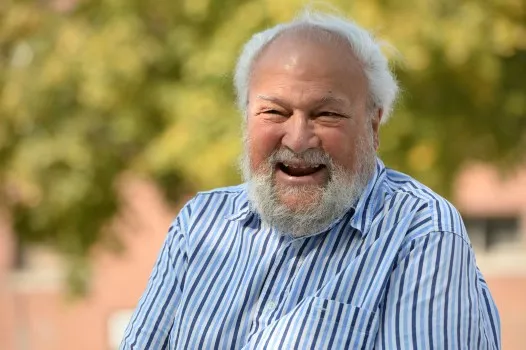
Born in Schenectady, New York, in 1935, Latimer moved to St. Paul in the early 1960s after earning his law degree from Columbia University. His career in public service began on the St. Paul School Board before he made his first run for mayor.
Advertisement
Throughout his time in office, Latimer was known for his engaging personality and ability to connect with people from all walks of life. His approachable nature and keen interest in his constituents’ lives earned him respect and affection from those he served.
Latimer’s leadership came during a transformative era for St. Paul, characterized by shifting demographics and urban challenges. He saw the town through the impacts of the Hmong refugee migration, national trends of suburban flight, and economic shifts that saw significant job losses in the city.
Despite these challenges, Latimer remained focused on revitalizing downtown St. Paul, contributing to the development of iconic structures such as the Ordway Center for the Performing Arts and the Wells Fargo Place.
In addition to his contributions to urban development, Latimer’s will also be remembered for his advocacy for community engagement and cultural inclusivity. He was a vocal proponent of bridging diverse communities and fostering a sense of unity within the city.
His vision for St. Paul extended beyond his mayoral term, influencing his later work as a visiting professor and advisor on housing policy.
Latimer’s post-mayoral career was marked by continued public service, including roles as dean of Hamline University’s law school and special advisor on housing policy under President Bill Clinton.
Leave a Reply