
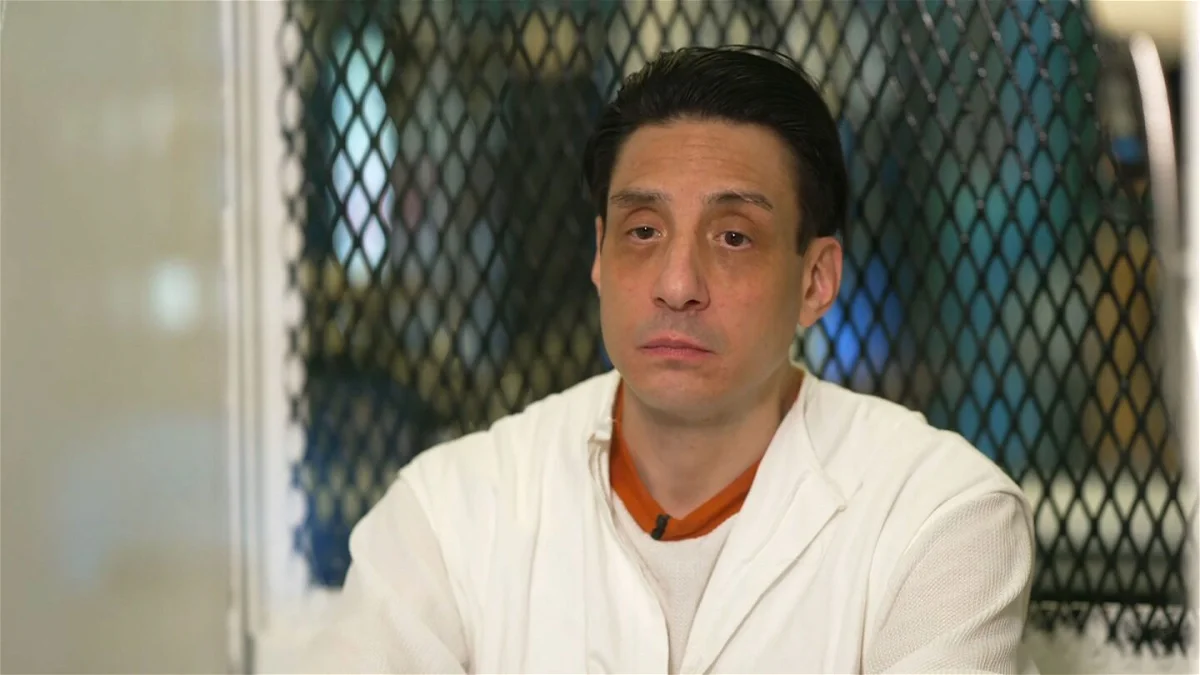
The chilling tale of Ivan Abner Cantu, an American man from Dallas, Texas, convicted of double murder, reached its somber conclusion with his execution by lethal injection. The question echoes: Did they execute Ivan Cantu? How was this ultimate and irreversible punishment carried out?
Advertisement
Ivan Cantu’s journey through the labyrinth of the justice system culminated in a guilty verdict by a Collin County jury on October 16, 2001. The charges stemmed from the gruesome events of November 4, 2000, when Cantu allegedly fatally shot his cousin, James Mosqueda, 27, and his cousin’s girlfriend, Amy Kitchen, 22, in North Dallas. However, the evidence presented during the trial would later be vehemently contested by Cantu’s supporters, adding layers of complexity to an already perplexing case.

The final chapter of Ivan Cantu’s life unfolded at the state penitentiary in Huntsville, Texas. On the day of his execution, Ivan Cantu, aged 50, received a lethal injection, a method that has been the subject of ethical debates and legal scrutiny. The procedure was administered, and Cantu was pronounced dead at 6:47 p.m., marking the end of a legal saga that spanned over a decade.
Advertisement
The Texas Department of Criminal Justice officially recorded the time of Cantu’s death in a news release, adding a solemn note to the controversial case. It was a moment that highlighted the irreversible nature of capital punishment and the gravity of the decisions made within the justice system.
In his final moments, Ivan Cantu maintained his innocence, uttering words that resonated with the unwavering conviction he had maintained throughout the trial and appeals process. Despite the guilty verdict and the ultimate penalty he faced, Cantu steadfastly asserted that he was not responsible for the murders of his cousin, James Mosqueda, and Amy Kitchen, a nursing student.
The execution of Ivan Cantu raises broader questions about the ethical implications of capital punishment and the reliability of the criminal justice system. As society grapples with the complexities of such cases, the story of Ivan Cantu serves as a poignant reminder of the irreversible consequences that accompany the ultimate punishment.
As discussions surrounding the death penalty persist, cases like Cantu’s prompt reflection on the need for transparency, thorough investigation, and the pursuit of justice that transcends doubt. In the end, the tale of Ivan Cantu compels us to scrutinize our legal systems, challenging us to ensure that the pursuit of truth remains unwavering, even in the face of irreversible actions.
Leave a Reply