
Category: News
-

Tom Wilkinson: Full Monty actor dies aged 75
Tom Wilkinson died at his home on 30 December 2023, at the age of 75. He will be remembered for his remarkable contributions to the world of acting and his ability to bring characters to life on stage and screen. Tom Wilkinson was an award-winning English actor best recognized for his roles in “In the…
-
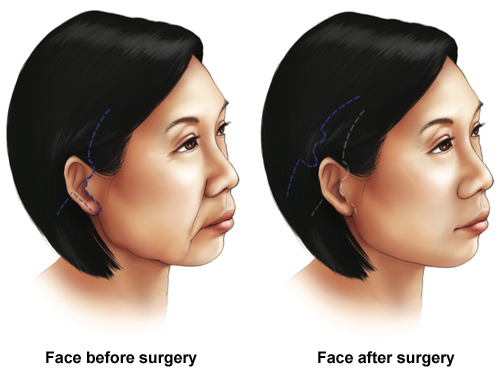
Which nerve must be avoided during a rhytidectomy? What nerve is injured in rhytidectomy?
The facial nerve takes center stage in the realm of rhytidectomy, marking it as the pivotal nerve to navigate with utmost care. Governing all facial muscles, any harm incurred can result in temporary or enduring effects such as drooping, twitching, or paralysis. Given its extensive branching across the face, surgeons prioritize cautious dissection throughout the…
-
What is rhytidectomy surgery? How long is the rhytidectomy procedure?
Rhytidectomy, commonly known as a facelift, is a cosmetic intervention designed to combat the visible signs of facial aging. The procedure involves several key steps aimed at rejuvenating the face. Firstly, surgeons work on tautening the underlying muscles and tissues, focusing on areas like the SMAS (Superficial Musculoaponeurotic System) to restore a more lifted and…
-
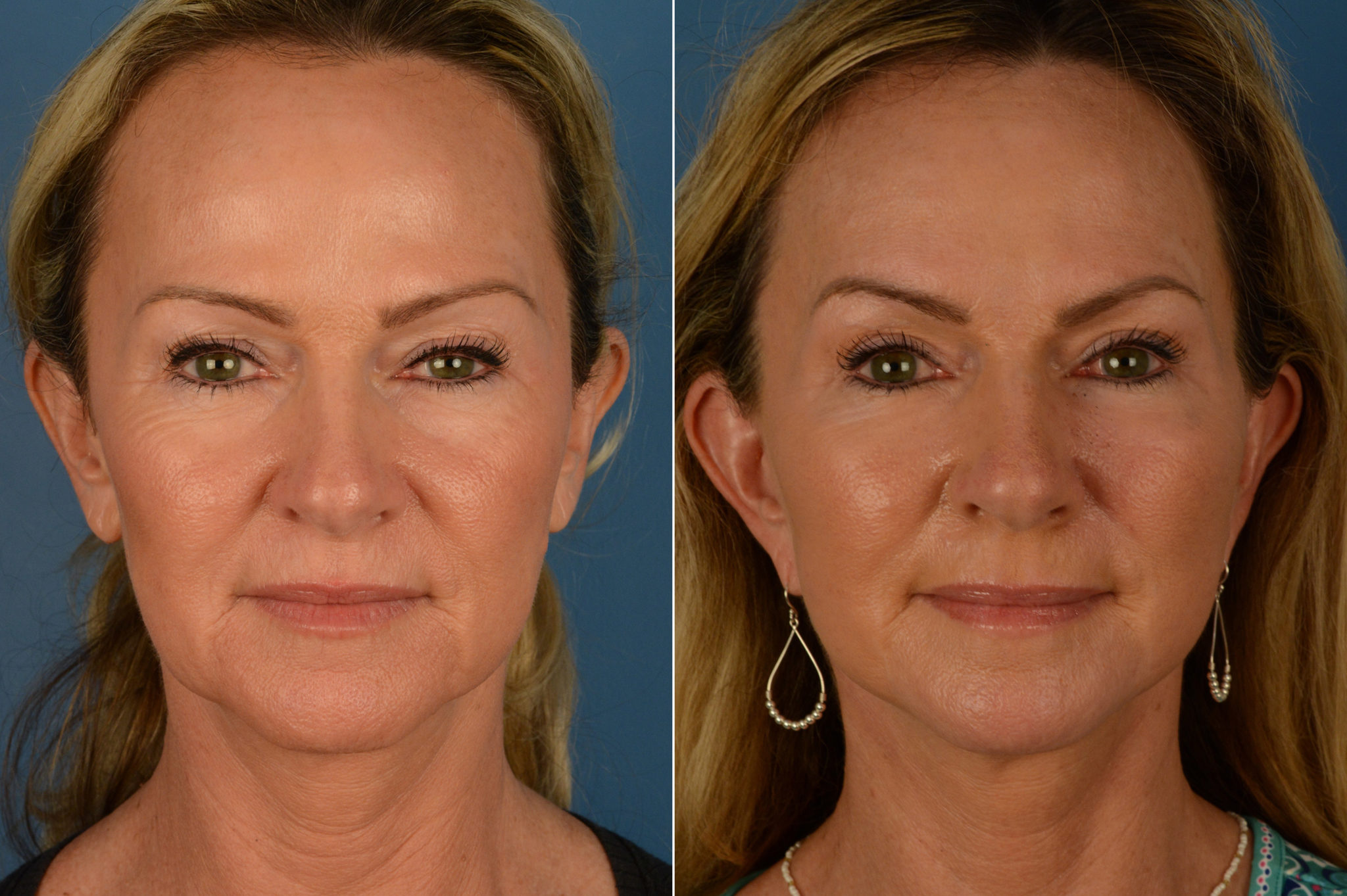
What is the difference between Rhytidoplasty and rhytidectomy?
In the realm of addressing wrinkles and aging, both rhytidoplasty and rhytidectomy play pivotal roles, each with its nuanced focus. Rhytidectomy, commonly known as a facelift, intricately involves the excision, lifting, and repositioning of skin and deeper tissues in the face and neck, specifically targeting the SMAS layer. The primary goal is to tighten and…
-
Which method of anesthesia is preferred for rhytidectomy procedures?
Selecting the appropriate anesthesia for a rhytidectomy depends on various factors. General anesthesia, inducing complete sleep and painlessness, is favored for anxious patients or lengthy surgeries. However, it involves intubation, posing risks like nausea and delayed cognitive recovery. Local anesthesia with sedation, injecting surgical areas for numbness and providing intravenous medication for relaxation, avoids intubation…
-
What is removed if you have a rhytidectomy?
During a rhytidectomy, commonly known as a facelift, two main elements undergo removal to rejuvenate the facial appearance. Firstly, excess skin is targeted, particularly loose and sagging skin responsible for wrinkles and jowls. Precise incisions along the hairline, temples, ears, and occasionally under the chin allow the surgeon to delicately detach the skin from underlying…
-
Which is the most common area of flap necrosis after rhytidectomy?
In rhytidectomy, the posterosuperior aspect of the postauricular flap, particularly at its most distal tip, is the common site for flap necrosis. This area, being the farthest from the flap’s blood supply, faces increased tension during closure, making it more susceptible to compromised circulation and potential necrosis. Despite the overall good blood flow in this…
-
What is the meaning of the suffix rhytidectomy?
The term “-ectomy” traces its roots to the Greek word “ektemnein,” signifying “to cut out.” Commonly used in medical contexts, it indicates surgical processes involving the extraction of tissue or organs. In the case of “rhytidectomy,” the term “rhytid” is derived from the Greek word “rhys,” meaning “wrinkle.” Essentially, a rhytidectomy is a procedure for…
-
What is the most common complication of rhytidectomy?
The primary complication associated with rhytidectomy, commonly known as a facelift, is hematoma – the accumulation of blood beneath the skin, resulting in localized swelling and discoloration. Incidence rates range from 0.2% to 8%, with major hematomas causing pronounced swelling, pain, and potential airway compromise, necessitating prompt surgical intervention. Minor hematomas, while less severe, may…
-
What is the difference between rhytidectomy and platysmaplasty?
Rhytidectomy and platysmaplasty, though both combat facial aging, diverge in their focus and methods. Rhytidectomy primarily targets the lower two-thirds of the face, tackling jowls, cheeks, and the jawline. The goal is an uplifting transformation—tightening sagging skin, smoothing wrinkles, and restoring a more youthful contour. This involves incisions in front and behind the ear, extending…


