
Author: Sandra Berko
-
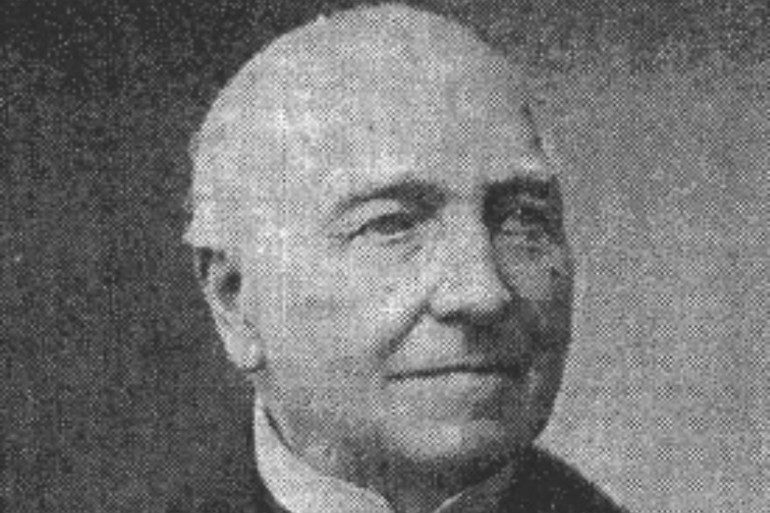
How old was Ferdinand Berthier when he died? When did Ferdinand Berthier die?
Ferdinand Berthier was a deaf educator, philosopher, and political organizer in nineteenth-century France, and is widely regarded as one of the first supporters of deaf identity and culture. Berthier, who was born on September 30, 1803, in Louhans, Saône-et-Loire, initially attended the famous School for the Deaf in Paris as a young student in 1811,…
-
Ferdinand Berthier Wife: Was Ferdinand Berthier Married?
Ferdinand Berthier was a deaf educator, philosopher, and political organizer in nineteenth-century France and one of the first advocates for deaf identity and culture. Berthier, who was born on September 30, 1803, in Louhans, Saône-et-Loire, initially attended the famed school for the Deaf in Paris as a young student in 1811, while the school was…
-
Ferdinand Berthier Net Worth At Death
Ferdinand Berthier was a deaf educator, philosopher, and political organizer in nineteenth-century France who was one of the first advocates for deaf identity and culture. Berthier, who was born on September 30, 1803, in Louhans, Saône-et-Loire, initially attended the famous School for the Deaf in Paris as a young student in 1811, while it was…
-
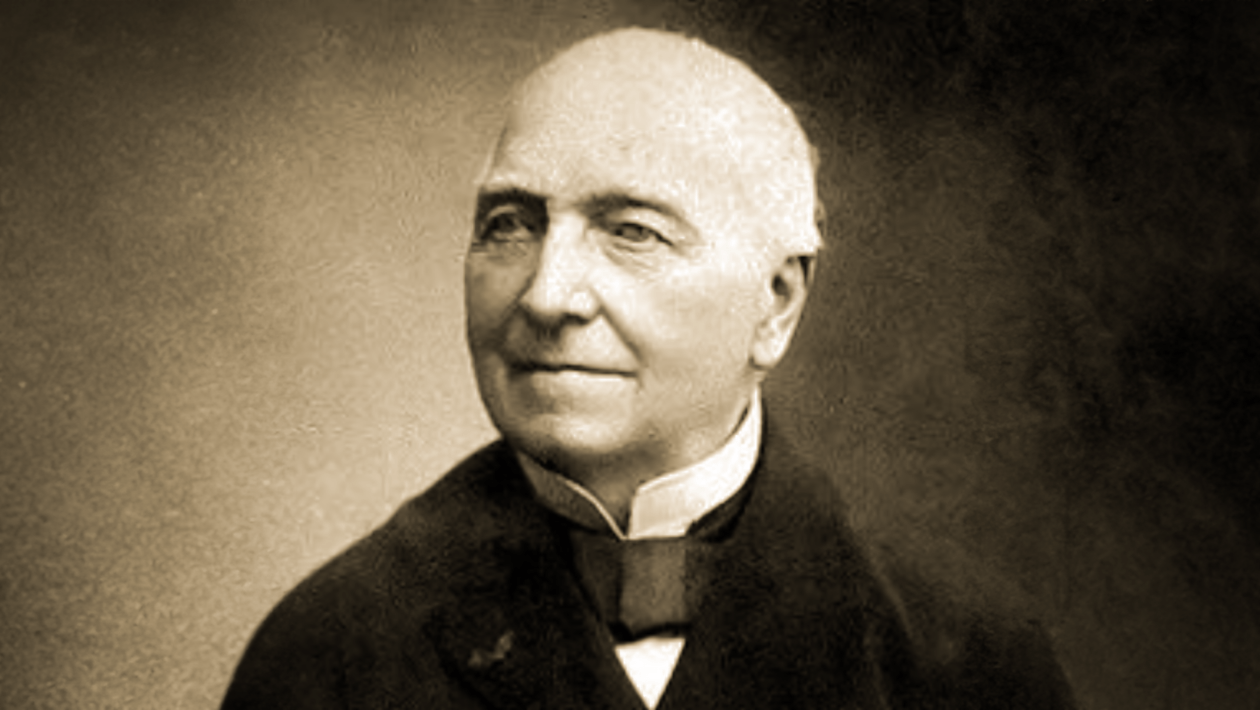
Ferdinand Berthier Obituary
Ferdinand Berthier was a deaf educator, philosopher, and political organizer in nineteenth-century France and one of the first supporters of deaf identity and culture. Berthier, who was born on September 30, 1803, in Louhans, Saône-et-Loire, initially attended the famed school for the deaf in Paris as a young student in 1811, while the school was…
-
Ferdinand Berthier Cause Of Death: What Happened To Ferdinand Berthier?
Ferdinand Berthier was a deaf educator, philosopher, and political organizer in nineteenth-century France, and is widely regarded as one of the first supporters of deaf identity and culture. Berthier, who was born on September 30, 1803, in Louhans, Saône-et-Loire, initially attended the famous School for the Deaf in Paris as a young student in 1811,…
-
Ferdinand Berthier Books, Family, Nationality, Biography, History
Ferdinand Berthier was a deaf educator, an intellectual and political organizer in nineteenth-century France, and is one of the earliest champions of deaf identity and culture. Born on 30 September 1803 in Louhans, Saône-et-Loire, Berthier first attended the famous school for the Deaf in Paris as a young student in 1811, when the school was…
-
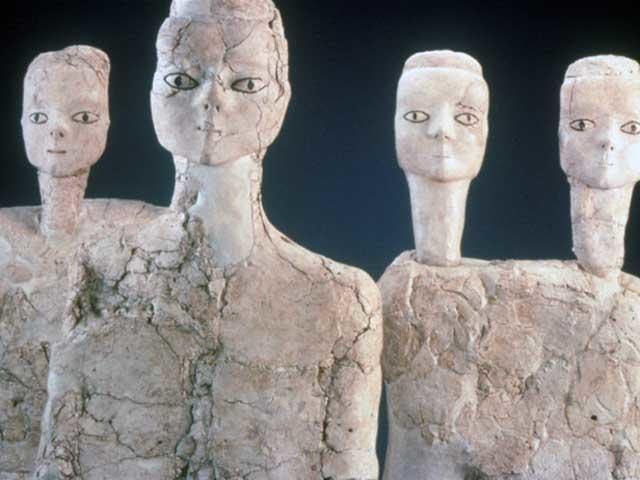
When and where was Ain Ghazal found? Where were the figures from Ain Ghazal discovered?
Ain Ghazal is a Neolithic archaeological site near Amman, Jordan, approximately 2 kilometers northwest of Amman Civil Airport. The site is notable for housing the Ain Ghazal figures, which are among the oldest large-scale statues ever uncovered. The village at Ain Ghazal (‘Spring of the Gazelle’) dates from the Middle Pre-Pottery Neolithic B (MPPNB) and…
-
What is the significance of the Ain Ghazal statues? What was the purpose of Ain Ghazal?
Ain Ghazal is a Neolithic archaeological site located in Amman, Jordan, about 2 kilometers northwest of Amman Civil Airport. The location is notable for the discovery of the Ain Ghazal figures, which are among the oldest large-scale statues ever uncovered. The settlement at Ain Ghazal (‘Spring of the Gazelle’) originally developed in the Middle Pre-Pottery…
-
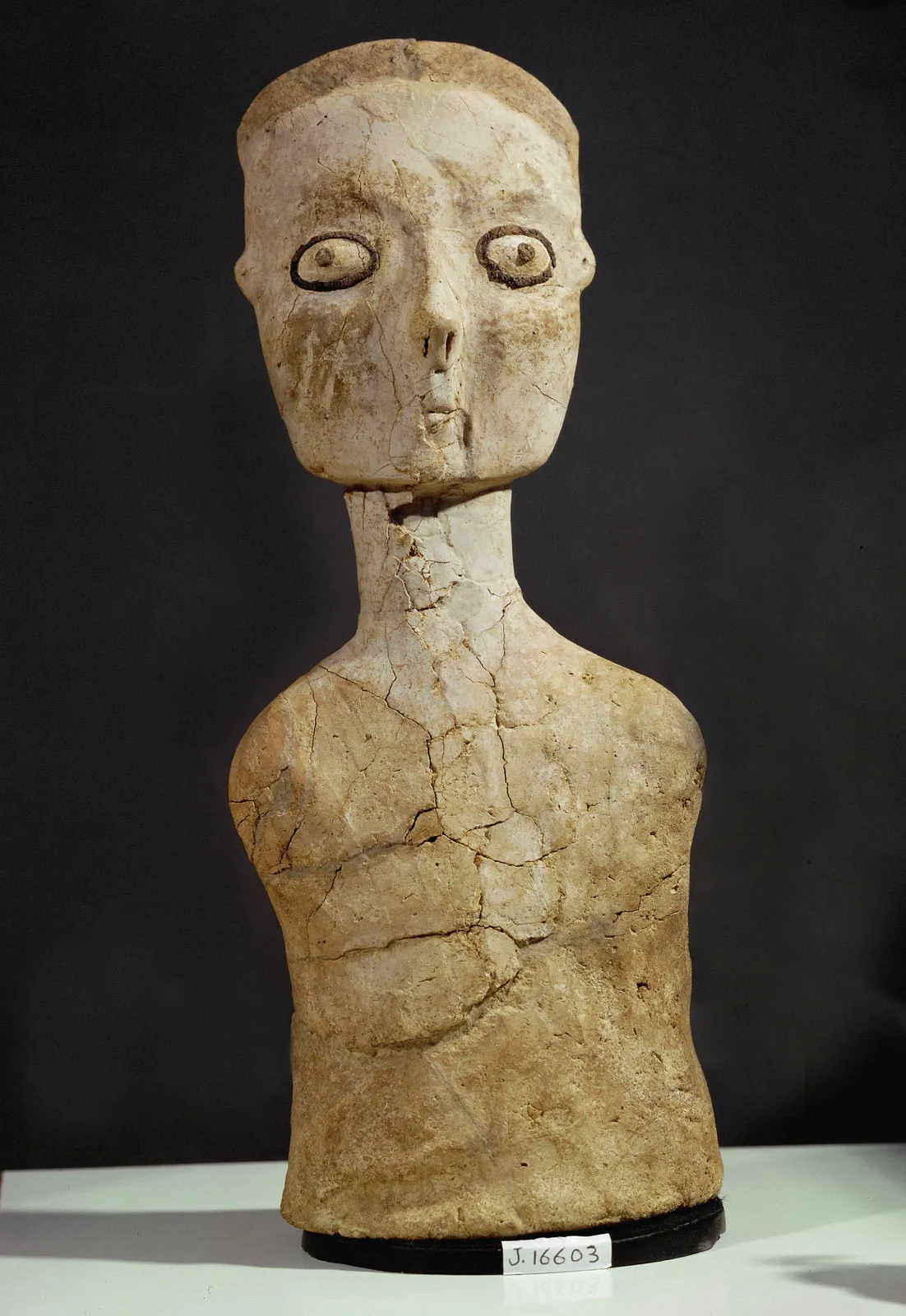
What are the symbols at Ain Ghazal? Where is Ain Ghazal in the Louvre?
Ain Ghazal is a Neolithic archaeological site near Amman, Jordan, about 2 kilometers northwest of Amman Civil Airport. The site is notable for being the location of the Ain Ghazal statues, which are among the oldest large-scale statues ever uncovered. The village of Ain Ghazal (‘Spring of the Gazelle’) dates back to the Middle Pre-Pottery…
-
What is the history of Ain Ghazal? When was Ain Ghazal abandoned?
ʿAin Ghazal is a Neolithic archaeological site located in metropolitan Amman, Jordan, about 2 km northwest of Amman Civil Airport. The site is remarkable for being the place where the ʿAin Ghazal statues were found, which are among the oldest large-sized statues ever discovered. The settlement at ʿAin Ghazal (‘Spring of the Gazelle’) first appeared…


