
Author: Gloria Irabor
-
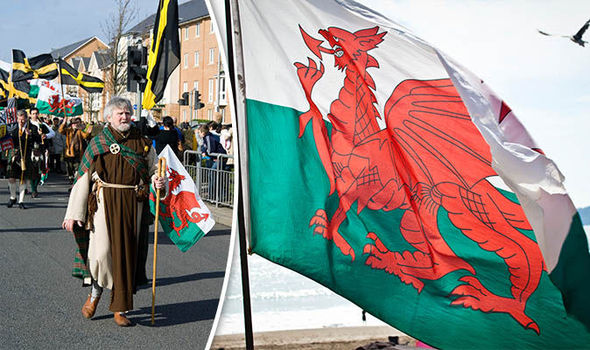
How did St. David die?
In the annals of history, the passing of St. David remains shrouded in mystery. It is believed that on March 1st, around 600 AD, this revered figure breathed his last, succumbing to the embrace of natural causes. Accounts from that time depict a tranquil departure, hinting at a life well-lived, possibly spanning over a remarkable…
-

What is St. David the patron saint of?
St. David holds a revered place in Welsh history and culture as the patron saint of Wales. Living in the 6th century, he left an indelible mark through his dedication to establishing religious communities, notably the one in Mynyw, later known as St. David’s. Renowned for his simplicity, he advocated for a life of prayer…
-
What does St David stand for?
St. David, or Dewi Sant in Welsh, was a revered 6th-century bishop and the patron saint of Wales. His legacy extends far beyond his time, symbolizing Welsh identity and cultural pride. St. David’s leadership was evident in his establishment of numerous monasteries, fostering Christianity and education across Wales. He lived a life of simplicity and…
-
Why do we wear daffodils on St David day?
On St. David’s Day, the 1st of March, you’ll often see people donning bright yellow daffodils. Here is why these sunny blooms grace lapels and hairdos across Wales: Firstly, daffodils have surged in popularity as symbols of Wales, overshadowing the traditional leek linked to Saint David himself. While the leek holds a storied past, daffodils…
-
Who started St David’s Day?
St David’s Day, celebrated on March 1st, is deeply rooted in the life and influence of Saint David, a revered Welsh saint from the 6th century. While there isn’t a sole individual credited with its inception, Saint David’s legacy shapes this significant observance. After his passing in 589, Saint David’s profound leadership and establishment of…
-
What was St David’s last words?
In the annals of Welsh history, the poignant words of St. David resonate through time. Tradition holds that his final message was not whispered on his deathbed but thundered from the pulpit in a sermon preceding his passing. Recorded in the Welsh Life of St. David, his exhortation to his flock echoes with timeless wisdom:…
-
When was Saint David born and died?
Saint David, the patron saint of Wales, was believed to have been born sometime in the late 5th or early 6th century, with estimates ranging from 462 to 512. Tradition holds that he was born near St. Bride’s Bay in Pembrokeshire, Wales. While the exact date of his birth remains uncertain, his legacy is enduring.…
-

What is Saint David known for?
Saint David, or Dewi Sant in Welsh, stands as a towering figure in the annals of Welsh history, particularly within the realm of the Welsh Church during the 6th century. His legacy reverberates through time, resonating with his unwavering commitment to leadership, monasticism, and the spread of Christianity. Throughout Wales, Saint David’s footprint is indelible,…
-
What are the words for St David’s Day?
March 1st marks a significant day in Wales and among Welsh communities worldwide. Referred to in various ways, St David’s Day holds a special place in Welsh culture and heritage. In English, it’s commonly known as St David’s Day, a term widely recognized across English-speaking regions. For a more formal touch, some might call it…
-
What miracles did St David perform?
St. David, revered as the patron saint of Wales, is renowned for his legendary miracles. Among these tales, one stands out prominently: his sermon at Llanddewi Brefi. In this awe-inspiring event, faced with a vast crowd unable to hear him, the ground miraculously elevated into a hill, granting all a view and access to his…


