
Author: Gloria Irabor
-
Does China have daylight savings time? Does China do Daylight Savings?
China bid farewell to daylight saving time (DST) in 1992, adopting a consistent timekeeping approach. The nation adheres to China Standard Time (CST), maintaining a fixed UTC+8 offset all year round. Unlike regions toggling their clocks with the seasons, China stays unwavering. The decision to forgo DST streamlines daily life, eliminating the need for adjustments…
-
Do we get more sleep when daylight Savings Ends? How does daylight savings affect sleep?
As Daylight Saving Time comes to an end, we seemingly gain an extra hour, but the reality for many is a disrupted sleep routine. The shift in sunlight takes its toll on our bodies, causing initial sleepiness at night and early awakening with the morning light. Despite the perceived bonus hour in bed, adjusting to…
-
What is Daylight Saving called in UK? Is UK getting rid of Daylight Savings Time?
In the UK, Daylight Saving Time is known as British Summer Time (BST). Instead of “spring forward” and “fall back,” Brits use these terms to describe the time changes, yet the official name remains BST, signaling extended daylight hours. However, there’s a debate on whether to abolish daylight saving time in the UK. Arguments on…
-
Who invented daylight saving time UK? Does London have daylight savings time?
In the 18th century, the idea of tweaking time during summer emerged. But it was William Willett, a builder from the UK, who gets the credit for inventing daylight saving time (DST). He felt dismayed by the daylight squandered in summer mornings. In 1907, Willett penned a pamphlet titled “The Waste of Daylight,” suggesting advancing…
-
Why does England do daylight Savings? Why does Britain do daylight Savings?
In 1916, England, alongside the UK, adopted Daylight Saving Time (DST) during World War I to save fuel by prolonging daylight hours in the evenings. Although initially for wartime energy conservation, the tradition persists today. Despite ongoing discussions on its contemporary usefulness, DST remains. While some dispute its impact on sleep schedules and question its…
-
What happens when daylight savings time ends?
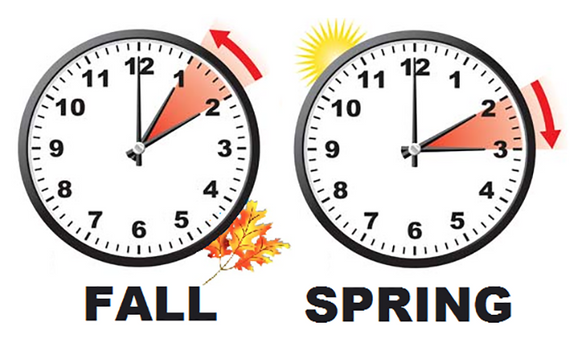
As daylight saving time (DST) comes to a close, we prepare to “fall back” by setting our clocks back one hour. This tradition typically occurs in the fall, specifically on the first Sunday of November in areas that observe DST. At 2:00 am local time on this designated Sunday, clocks are turned back to 1:00…
-
Does GMT change with daylight Savings?
Greenwich Mean Time (GMT) stands as a steady marker for time, rooted in the solar time at the Royal Observatory in Greenwich, England. It forms the backbone for Coordinated Universal Time (UTC), the global standard for timekeeping and time zones. Unlike local time adjustments, GMT remains steadfast. When regions adopt Daylight Saving Time (DST), they…
-
How do I change to daylight savings?
As the second Sunday in March approaches, many parts of the United States gear up for the annual switch to daylight saving time (DST). While you can’t manually alter the clock, you can certainly prepare for the upcoming change to minimize its impact on your routine. Before the clocks spring forward, consider making a gradual…
-
Does Japan have daylight savings time?
Japan currently does not observe Daylight Saving Time (DST), adhering to Japan Standard Time (JST) throughout the year. This means that Japan is consistently 9 hours ahead of Coordinated Universal Time (UTC). Although there have been discussions regarding the adoption of DST in Japan, the country hasn’t implemented it nationwide since 1952. During the post-World…
-
Why am I so tired after daylight savings time ends?
You are likely feeling tired as a result of a little disruption in your body’s inner clock, known as your circadian rhythm. This internal timer follows a 24-hour cycle, dictating when you sleep and when you wake, and it’s heavily influenced by light. When daylight saving time ends, and we turn the clocks back, it…

