
Author: Baiden Gideon
-
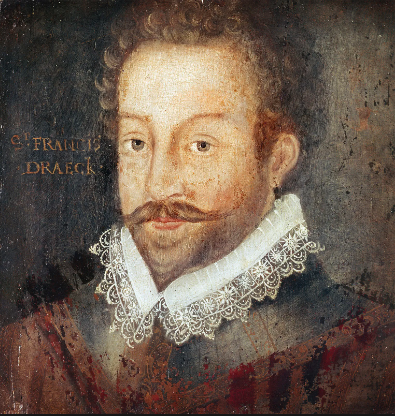
Francis Drake death: How did Francis Drake die?
The Final Voyage: Sir Francis Drake’s Battle with Dysentery and the Sea’s Embrace The illustrious life of Sir Francis Drake met an untimely end during a fateful sea voyage, marred by the relentless grip of dysentery. A Hero’s Journey and the Shadow of Disease: Sir Francis Drake, celebrated for his circumnavigation and defense of England,…
-
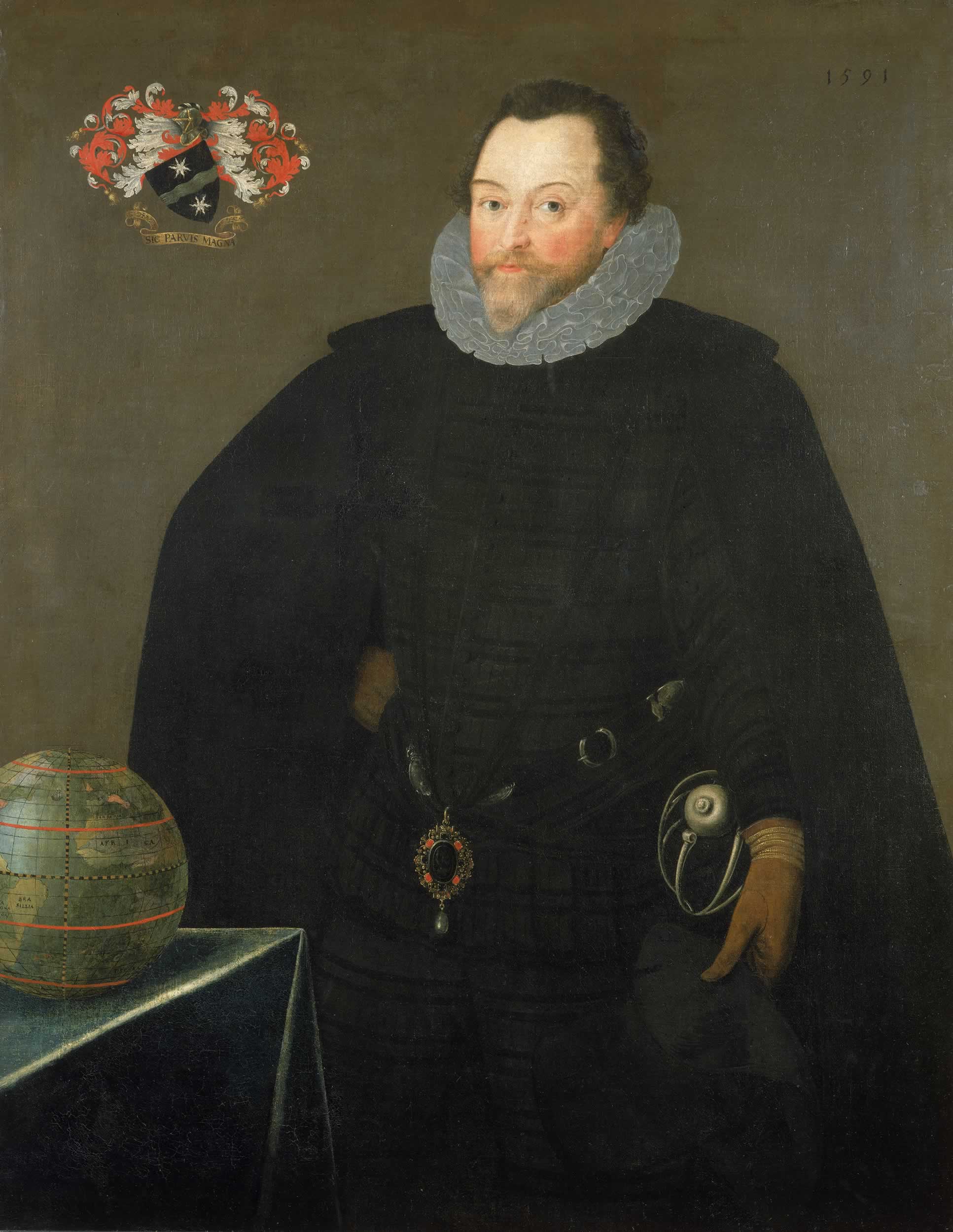
Francis Drake cause of death: What happened to Francis Drake?
The Mysterious End: Sir Francis Drake’s Cause of Death and Lost Legacy Introduction: Sir Francis Drake, the iconic English explorer and naval hero, met a mysterious and untimely end during a sea voyage. Dysentery Claims a Maritime Legend: On 28 January 1596, the world lost one of its most celebrated seafarers. Sir Francis Drake succumbed…
-
What did Francis Drake do to England?
Sir Francis Drake: Defender of England and Circumnavigator Extraordinaire Sir Francis Drake, a legendary figure of the Elizabethan Age, left an indelible mark on England through his daring exploits as a circumnavigator and defender of the realm. Circumnavigating the Globe (1577–80): Sir Francis Drake etched his name into the annals of history as the first…
-
What technology did Sir Francis Drake use?
Sir Francis Drake utilized various technologies and navigational instruments during his expeditions and naval activities. These technologies were essential for navigation, exploration, and strategic maneuvering. The following technologies were used by Sir Francis Drake: Astrolabe: Drake would have used an astrolabe, which showed latitude, aiding in celestial navigation and determining the position of his ships…
-
How much treasure did Sir Francis Drake have?
Sir Francis Drake’s Bounty: The Riches from the Mule Train Raid Introduction: Sir Francis Drake’s legendary maritime exploits often intersected with tales of immense treasure. Among the most renowned events was the attack on a richly laden mule train, an episode that saw Drake and his party amass a staggering fortune in silver and gold.…
-
What is named after Sir Francis Drake?
Several places, landmarks, and institutions are named after Sir Francis Drake, reflecting his enduring legacy and impact on history. Here are some examples based on the provided sources: Drake Passage: The Drake Passage, located between South America’s Cape Horn and the South Shetland Islands of Antarctica, is named after Sir Francis Drake. This significant maritime…
-
How did Francis Drake defeat the Spanish Armada?
Sir Francis Drake played a significant role in the defeat of the Spanish Armada through his strategic actions and naval prowess. Here are the key elements of how Sir Francis Drake contributed to the defeat of the Spanish Armada based on the provided sources: Raid on Cadiz: In April 1587, Sir Francis Drake led a…
-
How did Sir Francis Drake upset Philip?
Sir Francis Drake upset King Philip II of Spain through his daring exploits and strategic actions, which were motivated by a combination of factors. Here are some insights into how Sir Francis Drake upset King Philip II: Raiding Spanish Vessels and Ports: Sir Francis Drake’s aggressive privateering activities, including raiding Spanish vessels and ports, directly…
-
What motivated Sir Francis Drake to explore?
Sir Francis Drake was motivated by a combination of factors that influenced his exploration and exploits. These motivations are reflected in his actions and achievements throughout his life. Here are some of his key motivations: Trade and Wealth: Drake’s primary motive for undertaking voyages was trade, whether legal or not, and he did become a…
-
What was Francis Drake’s personality? What skills did Francis Drake have?
Sir Francis Drake, the renowned English explorer and privateer, was characterized by a combination of remarkable qualities and skills that contributed to his success and enduring legacy. Here are some insights into his personality and skills: Courage and Determination: Drake was known for his fearless courage and strong determination. His unwavering resolve and bravery were…

