
Author: adeyemi
-
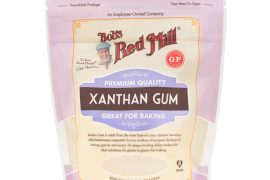
How do you make xanthan gum?
Xanthan gum is made by fermenting glucose, sucrose, or lactose with a type of bacteria called Xanthomonas campestris. The resulting product is a thick, viscous substance that is then dried and ground into a fine powder. Xanthan gum is a polysaccharide, which means it is a long chain of sugar molecules. It is commonly used in…
-
Is cornstarch better than xanthan gum?
Cornstarch and xanthan gum are both used as thickening agents, but they have some differences in terms of their properties and how they are used. Here are a few key points to consider: Cornstarch is a starch that is derived from corn, while xanthan gum is a polysaccharide that is produced through fermentation. Cornstarch is…
-
What can replace xanthan gum? Can I use baking powder instead of xanthan gum?
There are several alternatives to xanthan gum that can be used as a thickener or stabilizer in food and other products. Some common options include: Guar gum: This is another type of polysaccharide that is derived from the seeds of the guar plant. It has similar thickening and stabilizing properties to xanthan gum and can…
-
What is xanthan gum made up of?
Xanthan gum is a polysaccharide, which means it is a long chain of sugar molecules. It is made by fermenting glucose, sucrose, or lactose with a type of bacteria called Xanthomonas campestris. The resulting product is a thick, viscous substance that is then dried and ground into a fine powder. Xanthan gum is often used…
-
What is the purpose of using xanthan gum?
Xanthan gum is generally used as a thickening agent and stabilizer in various foods and personal care products. Xanthan gum is a food additive that is made from a type of bacteria called Xanthomonas campestris, which is fermented and then processed to create the final product. Xanthan gum has a number of properties that make…
-
Is xanthan gum gut friendly? Is xanthan gum hard on the stomach?
Xanthan gum is generally considered safe for consumption and is not known to have any negative effects on the digestive system. However, it is important to keep in mind that xanthan gum is a highly processed food additive and should be consumed in moderation as part of a balanced diet. Consuming large amounts of xanthan…
-
Why is xanthan gum Not vegan? What foods are high in xanthan gum?
Xanthan gum is not considered non-vegan. Xanthan gum is commonly used as a thickening agent and stabilizer in various foods and personal care products. Xanthan gum is not derived from animal sources and does not contain any animal-derived ingredients, making it suitable for use in vegan diets. Xanthan gum is used in a variety of…
-
Can I use gelatin instead of xanthan gum?
It is generally not recommended to substitute gelatin for xanthan gum in recipes. Xanthan gum is made from the bacteria called Xanthomonas campestris, which is fermented and then processed to create the final product. Gelatin is not a suitable substitute for xanthan gum in most recipes, as it has different properties and will not provide…
-
Why do you put xanthan gum in gluten-free baking?
Xanthan gum is often used in gluten-free baking to improve the texture and stability of the finished product. Gluten is a protein found in wheat, barley, and rye that helps to give bread and other baked goods their structure and elasticity. When gluten is removed from a recipe, the finished product may be less stable…
-
Can I substitute egg for xanthan gum?
It is generally not recommended to substitute egg for xanthan gum in recipes. Xanthan gum is a food additive commonly used as a thickening agent and stabilizer in various foods and personal care products. Eggs and xanthan gum have very different properties and cannot be used interchangeably in recipes. If you are looking for a…

