
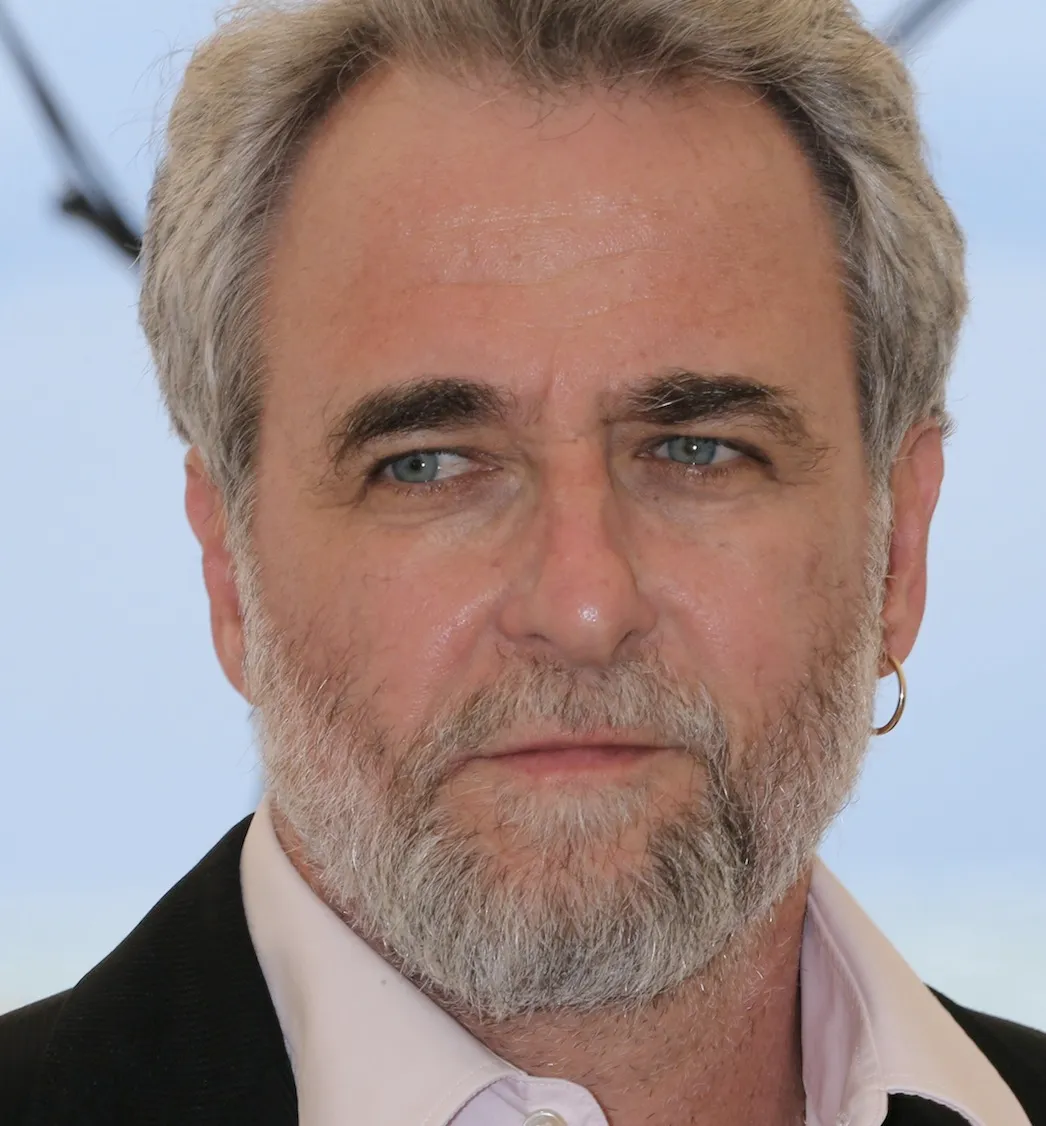
Israeli film director, Ari Folman does not have any known children yet.
Advertisement
n the vibrant world of cinema, the journey of every director is a tale of passion, grit, and relentless pursuit of storytelling. Ari Folman’s early life and career is no exception. His transformation from a boy born in the tumultuous atmosphere of Israel to an internationally acclaimed filmmaker is nothing short of cinematic itself.

Image: Ari Folman
Photo: James Diddick / Globe Photos
K61232JDI
Birth and Early Life
Born in 1962 in Haifa, Israel, Ari Folman was introduced to a world that was constantly in flux, marred by historical tensions and significant geopolitical developments. This landscape, inevitably, would come to shape much of Folman’s work, influencing his narratives and the themes he chose to explore.
Advertisement
Dipping Toes into Film and Television
Folman began his career in the 1990s, a time when Israeli cinema was experiencing a renaissance of sorts. It was a period when filmmakers from the region were beginning to get international recognition, allowing them to tell stories rooted in their culture but with global appeal.
His early ventures included screenwriting and directing for television. Projects like “Saint Clara” (1996), which he co-wrote, showcased a budding talent who was unafraid to tackle unconventional topics. The film, which tells the story of a 13-year-old girl with the ability to predict the future, resonated with audiences for its tender portrayal of adolescence and societal expectations. It was a clear indication of Folman’s unique voice and his potential to blend fantastical elements with poignant human stories.
A Personal Touch
It’s important to note that many of Folman’s early works, though diverse in narrative, often contained personal elements. This trend, of using personal experiences as a lens to understand larger societal themes, would become a hallmark of his filmmaking style. His stories were not just tales told for entertainment; they were introspections, examinations of his own experiences and those of the world around him.
His dabbling in various aspects of filmmaking during this time – from writing to direction – gave him a holistic understanding of the medium, allowing him to seamlessly translate his vision onto the screen.
Leave a Reply