
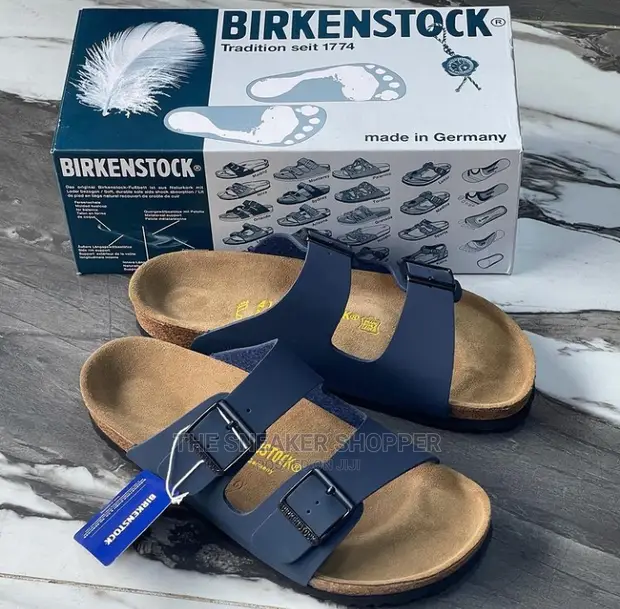
Birkenstock Holding plc, the esteemed German shoe manufacturer headquartered in Neustadt, Germany, has captivated the world with its iconic sandals and footwear. These items are renowned for their contoured cork footbeds, skillfully crafted with layers of suede and jute, designed to conform to the unique shape of their wearers’ feet. Founded in 1774 in Langen-Bergheim, Hammersbach, Germany, Birkenstock has left an indelible mark on the world of fashion, offering unparalleled comfort and timeless style.
Advertisement
Birkenstock sandals have garnered a devoted following, known for their comfort and distinct design. But as with any footwear, there are considerations to bear in mind. In this article, we address two questions: can Birkenstocks get wet, and what are the disadvantages of wearing them?
Can Birkenstocks Get Wet?
The issue of whether Birkenstocks can get wet is a common concern among those who love these sandals. While it’s generally advisable to avoid prolonged exposure to rain and moisture, occasional contact with water will not necessarily ruin your Birkenstocks, provided that you give them proper care. Many Birkenstock enthusiasts worry that a few instances of exposure to rain could lead to permanent damage, but this is not typically the case.
The key to preserving your Birkenstocks in wet conditions lies in post-use care. If your sandals do get wet, allow them to dry thoroughly and naturally. Keep them away from direct heat sources like radiators or hairdryers, which can cause the cork footbed to crack. Additionally, avoid exposing them to intense sunlight for extended periods.
Proper care after your Birkenstocks have gotten wet can help ensure they last for years, even in less-than-ideal weather conditions.
Disadvantages of Birkenstocks
Advertisement
While Birkenstocks are celebrated for their comfort and support, they also have certain disadvantages that wearers should be aware of:
- Limitation of Foot Mobility: The intense arch support and thick soles in Birkenstock sandals can restrict foot mobility. The human foot has 33 joints, allowing for a wide range of movement possibilities. These movements connect the feet to the entire posterior chain, including the ankles, knees, hips, pelvic floor, and glutes. The limited mobility could potentially weaken the foot’s musculature and affect the overall stability of the posterior chain.
- Transition Period: Some individuals may experience discomfort during the initial period of wearing Birkenstocks as their feet adjust to the distinctive footbed. This transition phase can involve soreness or discomfort, especially if you are not accustomed to the arch support and feel of the cork footbed.
- Fashion Considerations: While Birkenstocks have gained popularity for their comfort, they are not always considered the most stylish footwear choice. Depending on the style and personal taste, they may not be the ideal choice for certain outfits or formal occasions.
In conclusion, Birkenstocks can indeed get wet without significant damage, as long as they are cared for properly afterward. Occasional exposure to rain or moisture should not be a cause for concern, as long as you allow your sandals to dry naturally and follow recommended care guidelines.
However, it’s important to be aware of the potential disadvantages of Birkenstocks, such as limited foot mobility and the need for a transition period when getting used to the unique footbed. While they are celebrated for their comfort, it’s essential to consider these factors and determine whether Birkenstocks are the right choice for your individual preferences and needs.
Leave a Reply