
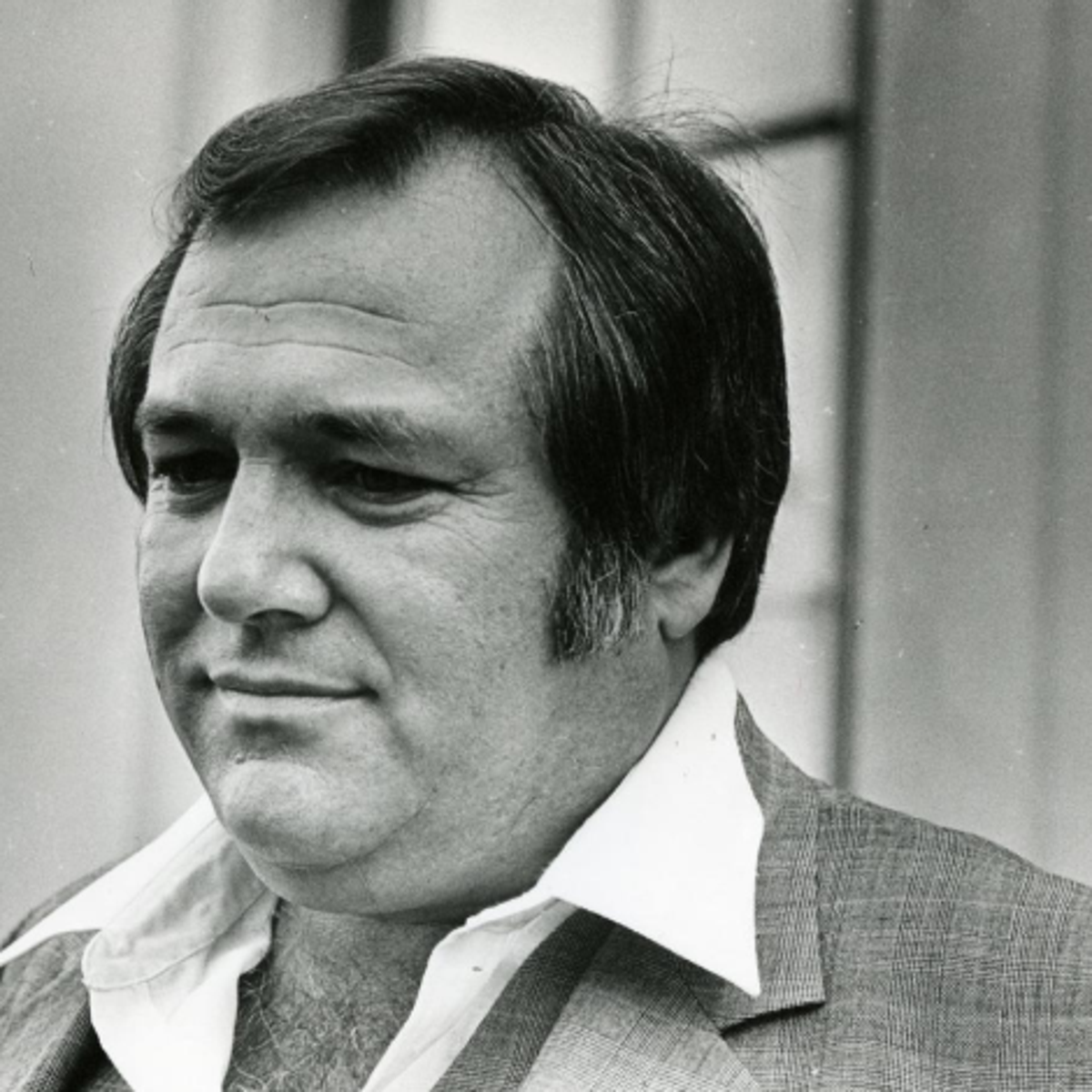
Adler Berriman “Barry” Seal, a name that may not immediately ring a bell, was an enigmatic figure whose life story reads like a gripping thriller. Born in Baton Rouge, Louisiana, on July 16, 1939, Barry Seal began his journey as a young aviation enthusiast, eventually rising to become a notorious drug smuggler for the infamous Medellín Cartel. However, his life took a dramatic turn when he became an informant for the Drug Enforcement Administration (DEA), testifying in several high-stakes drug trials. Seal’s tale is a rollercoaster of crime, intrigue, and danger, culminating in his tragic murder on February 19, 1986, by contract killers hired by the cartel.
Advertisement
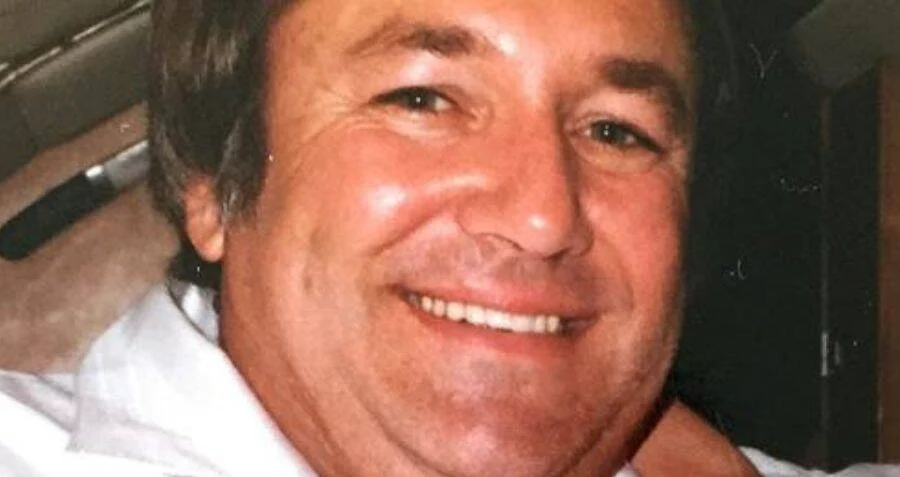
Image Credit: All thats Interesting
Early Life and Career
Barry Seal’s journey into the world of aviation started at a young age. By the time he was 16, he had earned a student pilot certificate, and at 17, he held a private pilot’s certificate. Seal’s natural talent for flying became evident early on, and his flight instructor recognized him as a gifted pilot.
In 1962, Seal enlisted in the Louisiana Army National Guard, serving six months of active duty and five and a half years of inactive duty. During his active duty, he trained with the 20th Special Forces Group and graduated from the United States Army Airborne School. Later, during his non-active duty, Seal worked as a radio telephone operator in the 245th Engineer Battalion.
Seal’s career in commercial aviation took off when he joined TWA (Trans World Airlines) in 1964. He quickly climbed the ranks, going from a flight engineer to the first officer and eventually becoming a captain, flying a Boeing 707 on Western European routes. His career at TWA came to an abrupt end in July 1972 when he was arrested for involvement in a conspiracy to smuggle plastic explosives to Mexico using a DC-4 aircraft. Although the case was eventually dismissed in 1974 due to prosecutorial misconduct, TWA terminated Seal’s employment for falsely claiming medical leave to participate in the scheme.
The Dark Turn: Drug Smuggling
Barry Seal’s descent into the world of drug smuggling began innocuously with small-scale marijuana transportation by air in 1976. However, by 1978, he had expanded his operations to include the transportation of significant quantities of cocaine, a far more lucrative endeavor compared to marijuana smuggling.
Seal’s illegal activities took a significant turn when he was arrested and imprisoned in Honduras during a drug-smuggling trip to Ecuador. While in prison, he made crucial connections with individuals like Emile Camp and Ellis McKenzie, both involved in smuggling. His release from prison led him to meet William Roger Reaves, who would eventually connect him to the notorious Medellín Cartel.
To expand his smuggling capacity, Seal enlisted the help of William Bottoms, his former brother-in-law, as a pilot. From 1980 onward, Bottoms became the primary pilot in Seal’s smuggling operation, often flying alongside Camp while Seal managed the planning and operations.
In 1981, Seal began smuggling cocaine for the Medellín Cartel, earning substantial sums of money, sometimes as much as $500,000 per flight, transporting cocaine from Colombia to the United States. His method involved using low-flying planes to airdrop drug packages in remote areas of Louisiana, which were then collected by Seal’s ground team and transported to Colombian distributors in Florida. By 1982, Seal was overseeing a fleet of over a dozen aircraft, attracting the attention of law enforcement agencies.
To evade unwanted attention, Seal relocated his aircraft to Mena Intermountain Regional Airport in Mena, Arkansas, where he carried out maintenance and modifications to enhance the planes’ capacity and avionics. While this move later sparked controversy, Seal’s biographer, former FBI agent Del Hahn, maintains that Mena was not used as a drug transshipment point.
Advertisement
Florida Indictments and Convictions
By 1981, the DEA was aware of Seal’s drug smuggling activities, and a DEA informant introduced him to an undercover DEA agent in April 1981. After several months of negotiations, Seal agreed to smuggle 1,200 pounds of counterfeit methaqualone tablets into the United States, marking the beginning of Operation Screamer, an undercover operation that would eventually lead to indictments against over 80 pilots involved in drug smuggling.
Seal’s attempts to strike a deal with the Florida and Baton Rouge task forces failed. Consequently, he faced trial in February 1984 and was convicted on all counts in the first indictment. Facing a lengthy sentence, Seal reached out to the Vice President’s Drug Task Force, which ultimately led to him becoming a DEA informant in March 1984.
Undercover Work and Nicaragua
As an informant, Seal played a pivotal role in various undercover operations. One significant operation involved smuggling cocaine from Bolivia to the United States through Colombia and Nicaragua. With the assistance of the DEA, hidden cameras were installed inside a C-123K aircraft, and Seal successfully photographed cartel members involved in the drug trade.
The DEA’s plan was to keep Seal working with the cartel on various aspects of the supply chain, such as moving cocaine base from Colombia to Nicaragua and inspecting smuggling airfields in Mexico and the U.S. However, the Nicaragua undercover operation was compromised when information about it leaked to the press. General Paul F. Gorman, US Military Commander Southern Command, mentioned the involvement of elements of the Nicaraguan government in drug smuggling, indirectly putting Seal’s operation at risk.
A detailed account of American efforts in Nicaragua was published in an article by reporter Edmond Jacoby on July 17, 1984, further jeopardizing Seal’s work with the cartel and the DEA’s hopes of capturing cartel leaders outside of Colombia.
In the U.S. and Legal Troubles
Following the exposure of the Nicaragua investigation, the DEA had to act swiftly to arrest cartel distributors in Miami. Seal played a crucial role in this operation, setting up a meeting with Carlos Bustamonte, the chief cartel supervisor in Miami, who was subsequently arrested along with other cartel employees.
Seal’s testimony and evidence from these arrests formed the basis for the first drug trafficking indictment in the U.S. against Pablo Escobar and the Ochoa brothers, key figures in the Medellín Cartel.
Despite the exposure, Seal managed to orchestrate another significant undercover operation in January 1985, involving a complex cocaine shipment from Bolivia to Las Vegas. The operation led to multiple arrests and convictions.
Continuing Legal Problems
While Seal had reached an agreement with the DEA and the Florida drug task force, he still faced active investigations by state and federal authorities in Baton Rouge, Louisiana, and Little Rock, Arkansas. In October 1984, a grand jury in Louisiana was convened to investigate Seal’s involvement in drug smuggling.
At Seal’s sentencing hearing in January 1986, Judge Frank Polozola expressed dissatisfaction with the lenient sentence Seal received in Florida, leading to Seal’s probation sentence in Louisiana. The judge imposed strict probation conditions, including Seal’s inability to leave Baton Rouge without written permission, and mandated nightly stays at a halfway house for the first six months of his probation.
Barry Seal Age
How old is Barry Seal? Barry Seal was born on July 16, 1939, and he died on February 19, 1986.
Barry Seal Nationality
Barry Seal was an American.
Assassinated
Barry Seal was assassinated on February 19, 1986.
Other Names
Barry Seal’s other name was El Gordo (the fat one)
Leave a Reply