
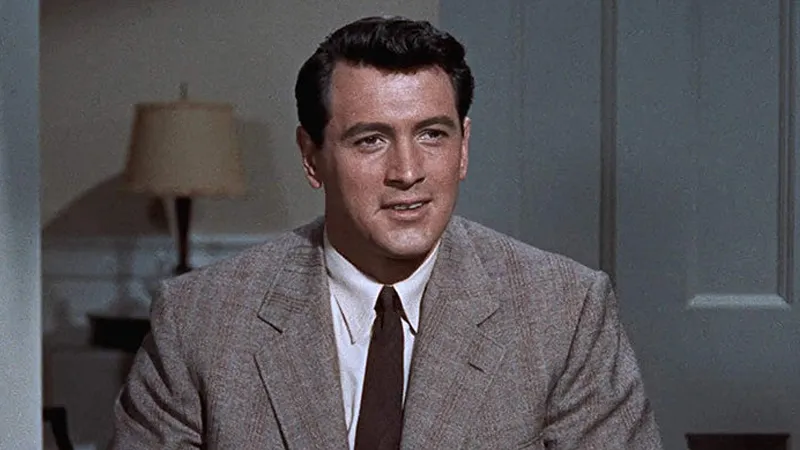
Unraveling the Legacy of Rock Hudson: A Closer Look at His Illness and Impact
Advertisement
Rock Hudson, the charismatic American actor renowned for his striking looks and iconic roles, left an indelible mark on the world of entertainment. As admirers continue to celebrate his contributions, it’s important to shed light on the circumstances that surrounded his untimely passing and the subsequent impact it had on raising awareness about a significant global health crisis.
Born Roy Harold Scherer, Jr., on November 17, 1925, in Winnetka, Illinois, Hudson’s journey through Hollywood’s golden era captivated audiences with his performances across the 1950s, ’60s, and ’70s. Beyond his cinematic success, his life holds a poignant chapter that speaks to the larger narrative of a generation.
Rock Hudson’s cause of death was attributed to the devastating effects of HIV/AIDS. In late August 1985, he was released from the hospital and returned to his home in Beverly Hills, Los Angeles, where he received private hospice care. On October 2, 1985, at around 9:00 a.m., Hudson peacefully passed away in his sleep from AIDS-related complications, marking the end of his journey at the age of 59. In alignment with his wishes, no funeral was held in his memory.
Advertisement
The story of Hudson’s illness and passing intertwined with his commitment to his private life. While he discreetly kept his sexual orientation away from the public eye, his colleagues in the film industry were aware of his truth. In 1984, the year before his death, Hudson received a diagnosis that would later become synonymous with his legacy: AIDS.
A trailblazer in his own right, Hudson’s willingness to discuss his AIDS diagnosis proved to be a pivotal moment in the public conversation surrounding the disease. In an era when discussions about HIV/AIDS were often shrouded in stigma and misconceptions, Hudson’s transparency marked a turning point. In 1985, he became one of the first celebrities to publicly disclose his AIDS diagnosis. By doing so, he catalyzed awareness and understanding of a global health crisis that demanded attention.
Rock Hudson’s story serves as a reminder of the power of storytelling, even beyond the confines of a film set. His legacy extends beyond his cinematic accomplishments, encompassing his willingness to confront adversity and illuminate the lives of those affected by HIV/AIDS.
As admirers of Rock Hudson’s talents continue to remember his cinematic contributions, it’s equally important to honor his legacy as an advocate for awareness and change. His openness about his illness stands as a testament to the bravery that can emerge from the darkest of circumstances, forever transforming the way we approach health, compassion, and community.
Leave a Reply